
EV Charger Installation at Home
Get set up to charge at home
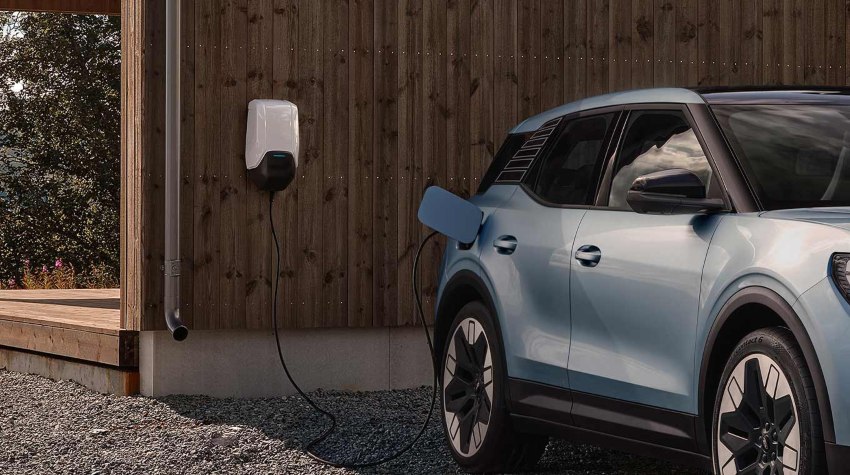
To get the most bang for your buck when owning an electric car, you'll want to do most of your charging at home.
Choosing an electric car home charger involves various considerations - your car's charging capabilities, home electrical supply, daily driving habits, and budget all play crucial roles in making the right decision.
Once you've selected the perfect charger, it's important to note that installation isn't a DIY job.
Here's a comprehensive guide to help you navigate the process from selecting your ideal home EV charger to finding a qualified installer and maintaining your system.


Checking your property and electrical supply
First things first - you'll need to confirm your property ownership status or seek permission from your landlord if you're renting. Ensuring you have dedicated off-street parking or a suitable installation site is essential.
To determine whether your home's electrical system can handle an electric car charger, you should verify your existing electrical capacity.
You might want to contact your Distribution Network Operator or a qualified EV charger installer who can conduct an ‘Adequacy of Supply Assessment’ to determine if your current wiring is sufficient or if upgrades are necessary.
Most homes are equipped with a 100-amp supply, though some older or smaller properties might have only 80 or even 60 amps, which could limit your charging options.
.jpg)
.jpg)
How to determine your charging needs
You'll need to work out whether a standard home charger will suffice or if you require a faster solution. If you've already purchased your electric vehicle, the onboard charger will dictate the maximum charging speed it can accept.
For most, a standard charger provides ample power for overnight charging. For instance, a 7kW charger might take between eight and 12 hours to fully charge your vehicle's battery.
If your daily routine involves lengthy commutes, you might benefit from a faster charger. A 22kW unit can charge your vehicle significantly quicker, typically between three to four hours.
Do bear in mind, though, that faster home EV chargers generally require a three-phase electricity supply, which isn't standard in most UK homes.
It's worth considering your future plans, as well. Perhaps you're thinking about switching to a different electric vehicle, adding another car to your household, or you may need to upgrade your charger at some point.
Choosing your EV home charger
Now that you've clarified both your property's suitability and your charging requirements, it's time to select the right EV charger for your home.
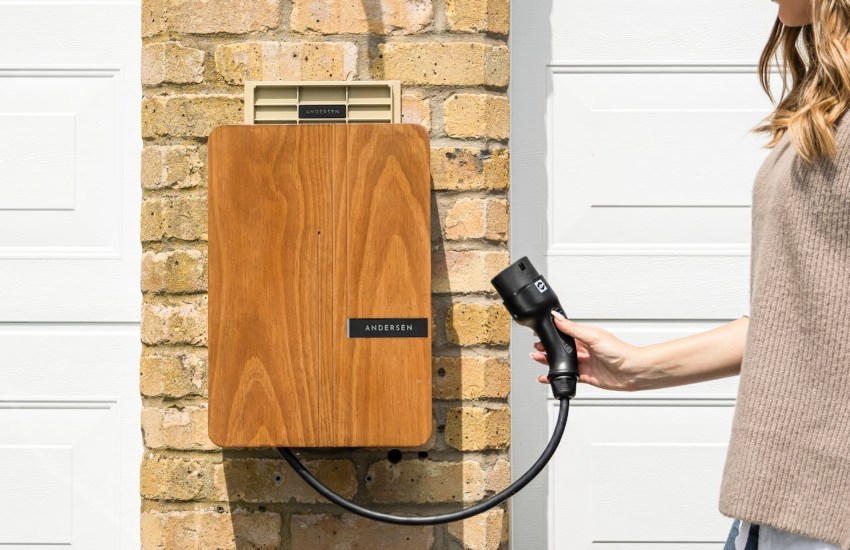
You'll find both tethered and untethered versions available - this distinction refers to how the charging cable connects to your charger.
Tethered Charger:
- Comes with a fixed cable that cannot be removed (like a petrol pump)
- Offers convenience, but does limit the cable length and type
Unthethered Charger:
- Doesn't have a permanent cable attached
- Features a socket where you plug in your own cable
- Offers greater flexibility in choosing cable length and type
When it comes to cables, the Type 2 connector is now the standard for most cars. Some older models may have a Type 1 connector, which means you'll specifically need a Type 1 socket if you opt for a tethered charger.
You'll also need to ensure your electrical breaker can handle the power output of your chosen charger.
Many modern chargers offer smart features such as remote control, scheduled charging, and integration with home automation systems, which can help you take advantage of lower electricity rates during off-peak hours.
Popular UK brands and models
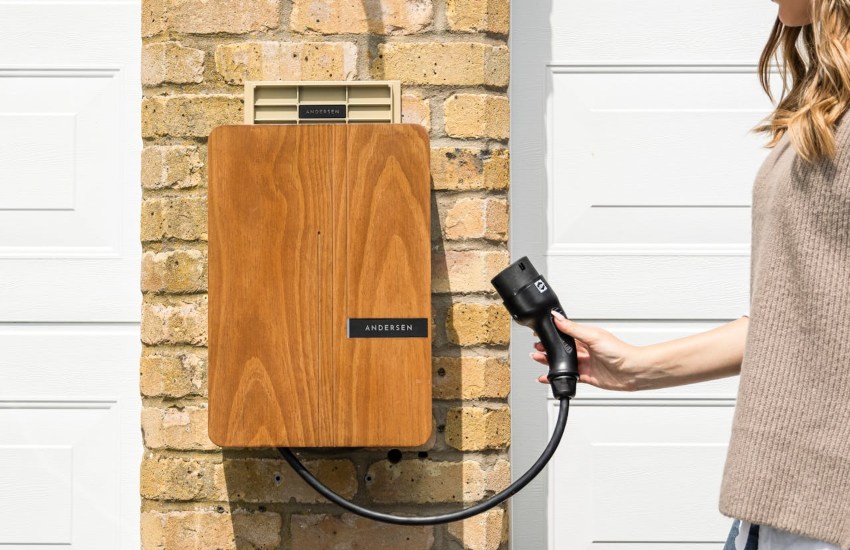
The UK market now offers a useful array of EV home charging brands and models to explore.
The Wallbox Pulsar MAX has built a strong reputation for quality and reliability, whilst the Hypervolt Home 3 Pro is known for its elegant design and cutting-edge technology.
The Tesla Wall Connector remains a popular choice, not only for Tesla owners, but is also compatible with other EVs through compatible adapters.
Pod Point, meanwhile, has established itself as a household name in the UK, offering a range of well-regarded chargers and installation services.
Other respected options include the Easee One, Ohme Home Pro, and Myenergi Zappi.
Take your time to research thoroughly and ensure you're completely satisfied with your choice - compatibility with your vehicle model and suitability for your driving habits should be your primary concerns.


How much does EV charger installation cost?
When budgeting for your home charger, it's crucial to factor in not only the installation costs, but also your ongoing electricity expenses.
So how much does EV charger installation cost?
Generally, you're looking at somewhere between £800 and £1,500, soi it's always worthwhile to gather several quotes for comparison.
It's also worth checking if you qualify for the EV ChargePoint Grant from the Office for Zero Emission Vehicles (OZEV). This scheme is aimed at renters and flat owners with dedicated off-street parking. The grant can cover up to 75% of your installation costs, to a maximum of £350 per installation.
The government website provides detailed information on eligibility requirements.
How to install an EV charger at home
Installing an EV charger certainly isn't something you should attempt yourself.
You'll need a certified electrician who specialises in EV home charging installations to ensure safety and compliance with building regulations.
Home EV chargers involve complex electrical systems. We would recommend an OZEV-approved electrician who will have received specialist training and gained the necessary experience to install your home charger safely and efficiently.
Before committing, it's sensible to verify the installer's credentials - ask for references, and clarify warranty details.
While some installations may be more complex than others, a typical home EV charger installation usually takes between three and five hours to complete.
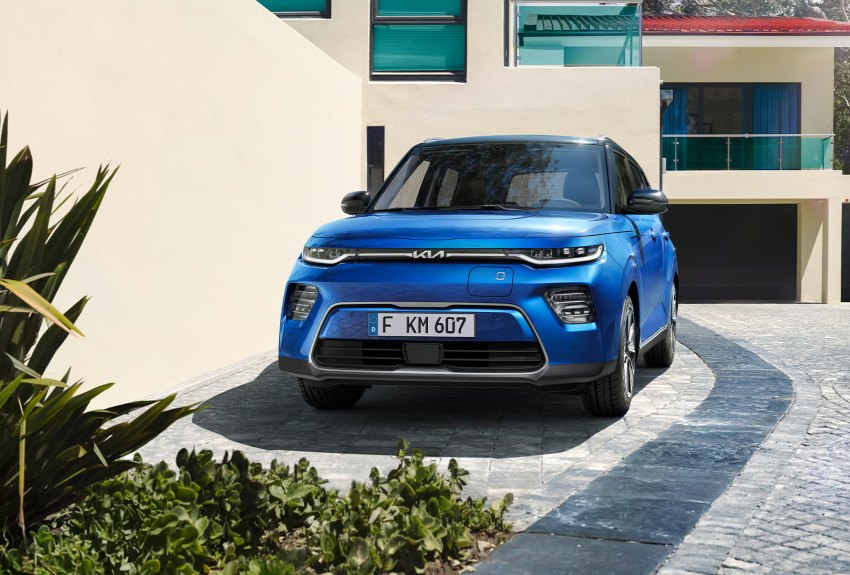
Arrange a site survey from a qualified electrician
Your chosen OZEV-approved electrician will need to conduct a thorough site survey before installation begins.
This survey will assess your fuse board (distribution board), incoming electricity supply, and meter. It will also evaluate your current electrical capacity to ensure it can handle the added load of an EV charger.
The survey will determine the ideal placement for your charger, taking into account accessibility, safety considerations, and aesthetic impact. The electrician will also identify the most suitable route for running cables from your electrical supply to the charger location.
This process helps identify any potential challenges, such as insufficient electrical capacity, physical obstructions, or the need for modifications to your electrical setup.
Following this survey, you'll receive a detailed quotation, which will provide an opportunity to discuss any future adjustments or upgrades you might require and understand any additional costs that could arise should your needs change.
.jpg)
.jpg)
Post-installation checks, maintenance, and support
Once you're satisfied with the plan and quote, simply agree on a convenient installation date, and you're nearly there.
After completing the installation, your qualified electrician will perform essential post-installation checks to confirm everything is functioning safely and correctly.
They'll provide guidance on how to use your new electric car charger, along with clear safety instructions, particularly for tethered charging cables. You'll also receive your completed certificates and warranty documents.
Moving forward, it becomes your responsibility to keep up with any recommended charger maintenance. Regular upkeep is not only essential for keeping your electric car running smoothly but also crucial for safe and efficient charging.
Your EV home charger installation is complete
A final thought to keep in mind…
Be conscious of your ongoing electricity costs, and remember to inform your home insurance provider about your new installation.
A home electric car charger constitutes a modification to your property and introduces new potential risks that your insurer should be aware of.
Congratulations - you're now all set for a safe, efficient, and convenient charging experience right from the comfort of your home.