
How to Drive an Electric Car
New Driving Horizons
One of the most exciting aspects of getting an electric vehicle is being behind the wheel for the first time.
Driving an electric car is a novel new way to enjoy the road compared to a petrol or diesel model.
From the way power is delivered to how journeys are planned, EVs offer a fresh approach that many drivers find simpler and more enjoyable.
Here are some of the key features to driving an EV, helping you make a smooth and confident transition to cleaner, smarter motoring.
Automatic Transmission and Instant Acceleration
If you’ve spent a considerable amount of time driving with three pedals, then an electric car will immediately feel quite different.
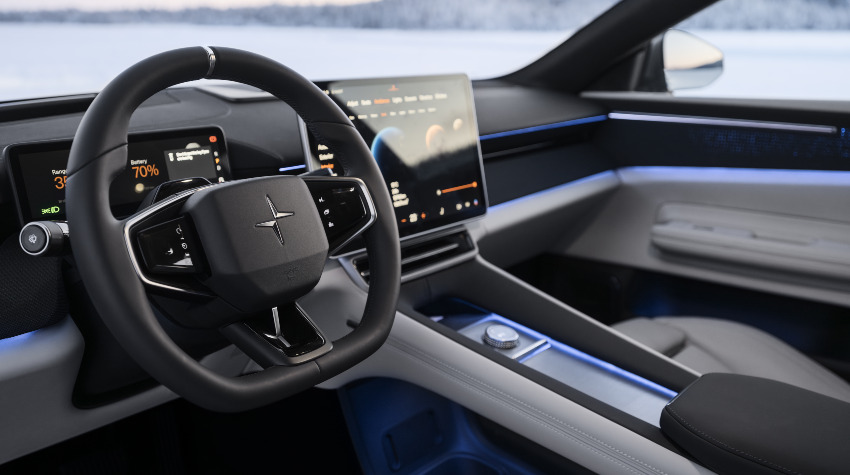
EVs utilise an automatic transmission, with just the one gear effectively, thanks to electric motors providing more than enough torque from the off.
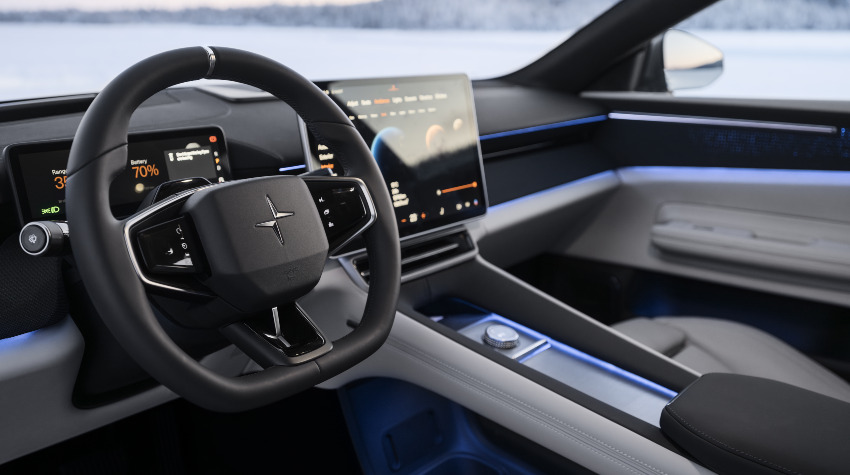
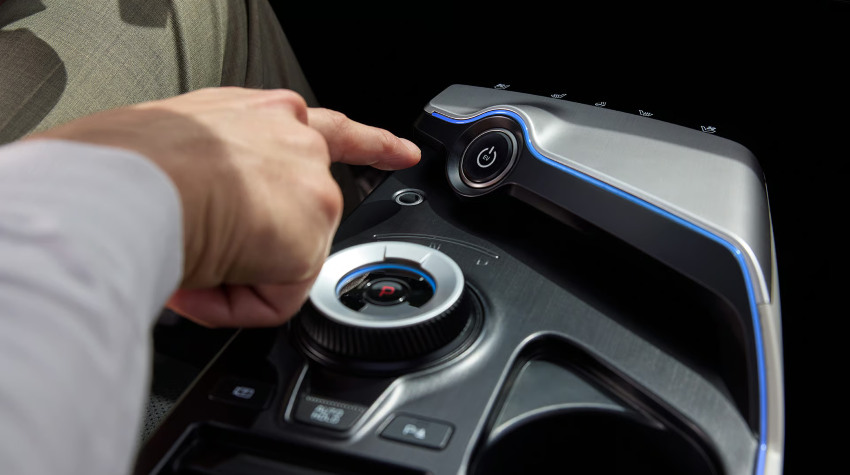
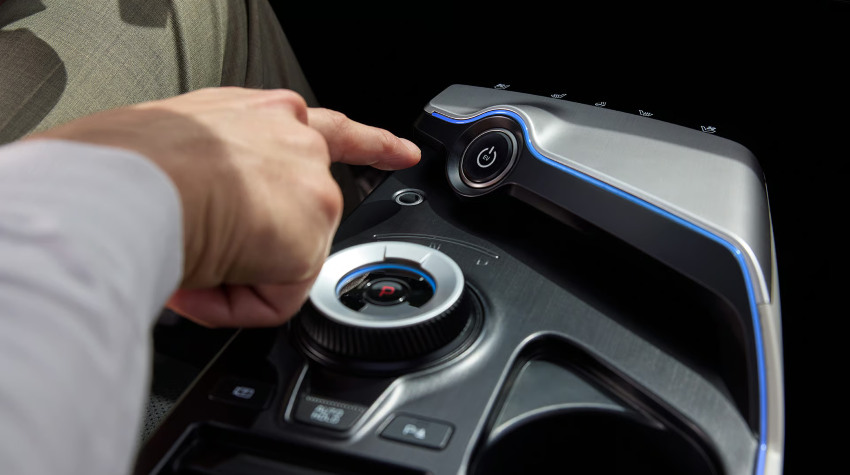
The driver can manage this single-speed transmission via buttons or a rotary dial to switch between Drive, Reverse, Neutral, and Park, making it a doddle to get about.
Thanks once more to an EV’s torque capability, acceleration is immediate, and is something that might take some getting used to, especially if you’ve only ever had lower-powered cars up to this point - but smooth, linear acceleration will certainly help with the transition.
Dashboard Controls and Custom Interface
Before hitting the road, it’s helpful to understand how electric vehicles differ from internal combustion engine (ICE) vehicles, beyond just the transmission.
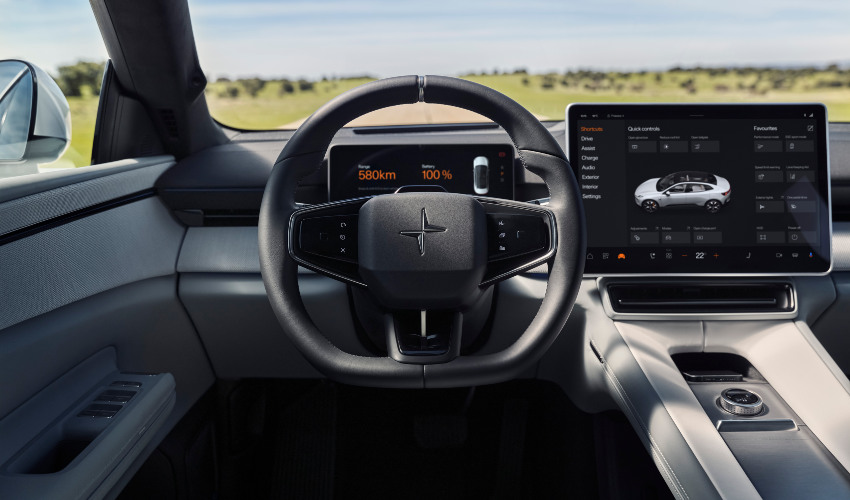
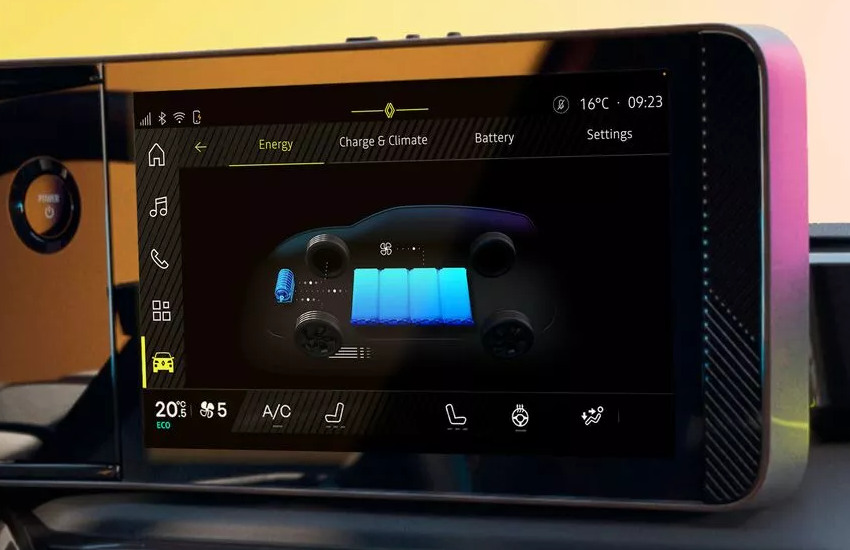
EVs typically feature digital dashboards designed specifically for electric driving, offering readouts on battery status, estimated remaining range, energy consumption, and regenerative braking, while energy flow visualisations show power moving between the battery and motor.
Many electric cars also use a power meter instead of a tachometer, that provides real-time feedback on your energy use and recovery, helping you drive more efficiently.
Instead of a fuel gauge, EVs will show the State of Charge (SoC) as a percentage or in kilowatt-hours (kWh). The estimated range shows how far you can travel and updates dynamically based on your driving, climate control usage, weather, and road conditions.
EV Driving Modes (Eco, Normal, Sport)
EVs usually offer a range of driving modes to suit your driving style and preferences;
- Eco Mode: Conserves energy and extends battery range.
- Normal Mode: Provides balanced performance for everyday driving.
- Sport Mode: Maximises performance and throttle response, but uses more energy.
Some EVs also offer additional modes like Snow or Off-Road to improve traction and stability in challenging conditions.
Managing Range and Battery Life
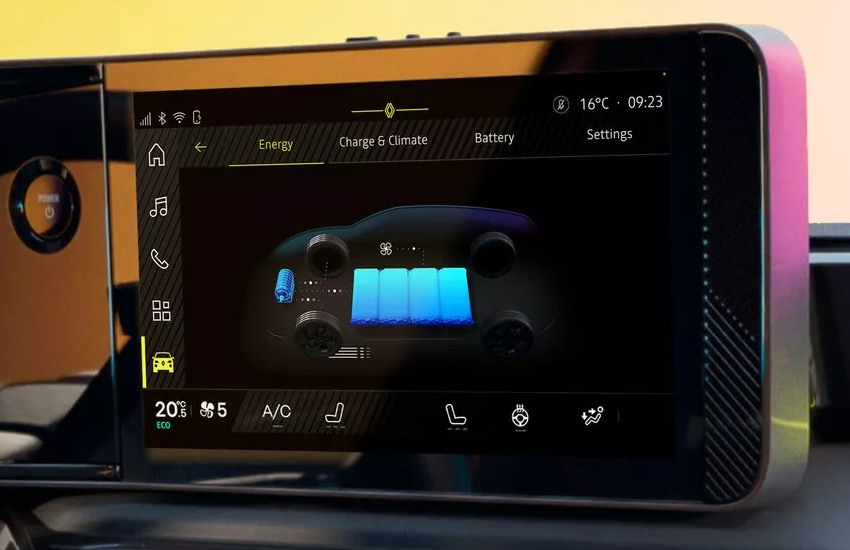
How long does an electric car battery last while driving?
Most electric cars manage between 150-300 miles of range, more than enough for your everyday driving, daily commutes and some long distance journeys.
Real-world range can vary, but understanding what affects it helps you plan confidently and get the most out of every charge.
Understanding Vehicle Range and Factors Affecting It
EV range partly depends on battery efficiency, which can be affected by temperature, a higher charge and discharge rate (C-rate), and a higher State of Charge (SoC) or Depth of Discharge (DoC). This is why people often charge their cars between 20% and 80%.
Changes in road and weather conditions, such as altitude, humidity, and airflow, can influence EV performance, but smart design features help keep things running smoothly.
Auxiliary systems, such as air conditioning and heating, draw power from the car’s battery. One way to avoid this is to pre-condition the cabin while the vehicle is still plugged in.
Best Practices for Preserving Battery Longevity
- Use slow charging when possible as regular rapid charges can wear the battery.
- Keep your battery between 20–80% to maximise long-term performance.
- Avoid extreme temperatures, especially when exposing the battery to heat.
While you can’t always choose your route or the weather, you can still make a positive impact with good driving behaviours and smart planning. Simply pay more attention to your driving and you can extend range, preserve battery life and motor on for longer.
Energy-Efficient Driving Techniques
- Accelerate and decelerate gently to improve efficiency.
- Use regenerative braking to recover energy when slowing down.
- Minimise use of climate control, especially air conditioning or heating when possible.
How Regenerative Braking Works
When decelerating or braking, the car’s motor reverses to act as a generator. This converts kinetic energy that’s usually lost through heat into usable electrical energy, which can then be stored in the car’s battery. Both hybrid and electric cars use regenerative braking, as it can slow the vehicle whilst improving efficiency.
Many people feel that regenerative braking provides a smoother driving experience. It provides consistent deceleration, improving safety and comfort.
Regenerative braking does much of the slowing down, reducing the use of traditional friction brakes. This leads to less wear and tear and lower maintenance costs over time.
One-Pedal Driving and Its Benefits
Many EVs have one-pedal drive, where releasing the accelerator slows the car significantly. This allows you to accelerate and decelerate with just one pedal, which proves useful in stop-and-go traffic where the driver would normally have to switch between the two.
There is usually some adjustability to be had, and you can manage the level of regenerative braking in some cars, or even turn one-pedal driving off completely.
Tips for Adjusting to Regenerative Braking
- Start in a lower regen setting if adjustable.
- Practise in safe, quiet areas to get used to the sensation.
- Drive cautiously on slippery roads, as strong regen braking can affect traction.
Planning for Long Journeys
.jpg)
.jpg)
Route Planning with Charging Station Availability
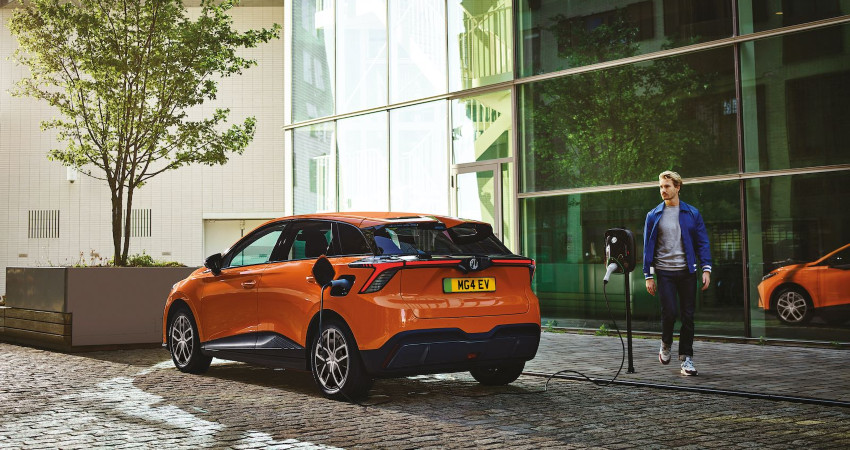
When driving an EV, particularly for longer journeys, plan your routes with charging stops.
However, there’s no need to worry - the latest navigation systems feature integrated charging information, accounting for available chargers, real-time range, and estimated charging times.
Al of this can accessed all of this from the comfort of your car via the cabin's touchscreen.
Understanding Charging Networks and Memberships
When travelling nationwide, it's important to familiarise yourself with some of the UK charging networks (e.g., BP Pulse, Pod Point, Instavolt, Gridserve).
Some of these require RFID cards or app-based accounts, so ensure you’re registered and have backups.
Preparing for Contingencies
- Keep a portable charging cable for emergency top-ups.
- Have knowledge of slower but more widely available public chargers.
- Be conservative with range estimates, particularly in cold weather or hilly areas.
Safety Tips for Driving an Electric Car
Driving an electric car should always be done safely and with caution. Like all vehicles, EVs come with considerations that are easy to manage with a little know-how, and it's important to understand these issues before you venture out on your own.
Silence and Pedestrian Safety
Pedestrians use the Green Cross Code, also known as "Stop, Look, Listen, Think" as a road safety instruction to help them cross the road. With an increase in EVs, "Listen" becomes an even more important part as electric vehicles run more quietly and are harder to hear.
EVs move quietly at low speeds, and it’s important for drivers, pedestrians and cyclists to stay alert. Most modern EVs have sound systems that can enhance safety in these situations, but you should still be cautious when driving in car parks and residential areas.
Precautions During Charging
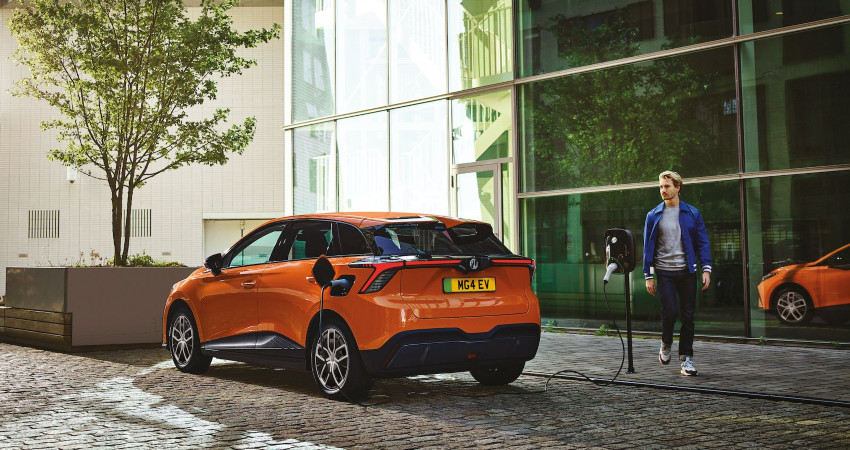
You should always be cautious when charging your vehicle to ensure safety for yourself and others, as well as to prevent damage to your equipment or vehicle. For safe and stress-free charging, make sure your hands are dry and your cable is in good condition.
Make sure the charging connector is properly and securely connected before leaving the vehicle unattended. If you are charging on a public pavement or near footpaths, be mindful of potential trip hazards and ensure the cable is positioned safely to avoid accidents.
Driving in Adverse Conditions
Cold weather can reduce range slightly, but with pre-conditioning and eco modes, it’s easy to stay efficient year-round. Low temperatures reduce range, so pre-conditioning to warm the cabin while plugged in can preserve battery energy for your onward journey.
To improve efficiency in winter, use eco driving modes to reduce energy draw. Electric vehicles have traction control well-suited to slippery roads, but as with any vehicle, it’s still important to drive cautiously and adjust your speed and braking to suit the conditions.
Embrace Your Electric Future with Confidence
Switching to an electric car is a practical move towards cleaner, more efficient driving.
While there are some differences to get used to, such as preserving range and managing charge time, most drivers find the transition straightforward and surprisingly intuitive.
Electric cars aren’t a trend; they’re the future. The Government has set a target for all new cars to be zero emissions by 2035, making now a great time to get ahead of the curve.
With a bit of practice, you’ll soon feel confident behind the wheel. Enjoy a smooth, responsive drive and the peace of mind that comes with making a more sustainable choice.