
How Much Does it Cost to Charge an Electric Car?
Cost to Charge an Electric Car
Switching to an electric vehicle (EV) can offer lower running costs and environmental benefits, but understanding the true cost of charging is essential before making the leap.
The amount you pay to charge an EV depends on several key factors, and each of these elements plays a role in how much you will spend to keep your car running.
In this guide, we’ll outline the key factors that affect EV charging costs and explain how to calculate the price of a full charge at home, at public charge points and at work.
Charging Flexibilities
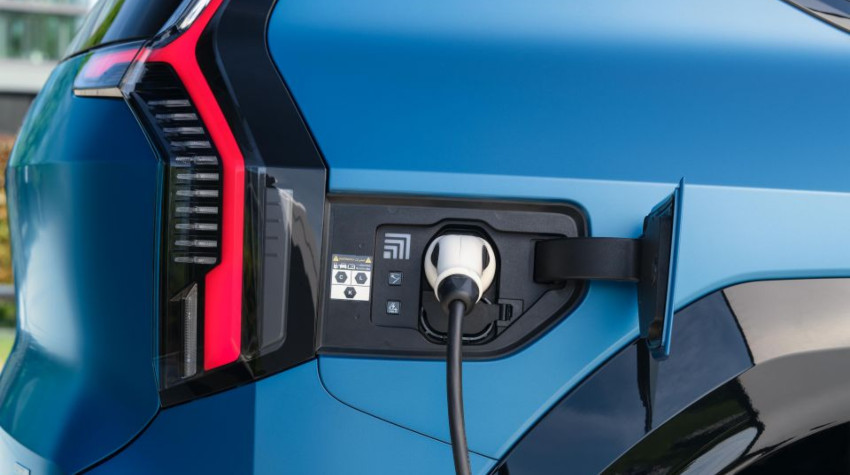
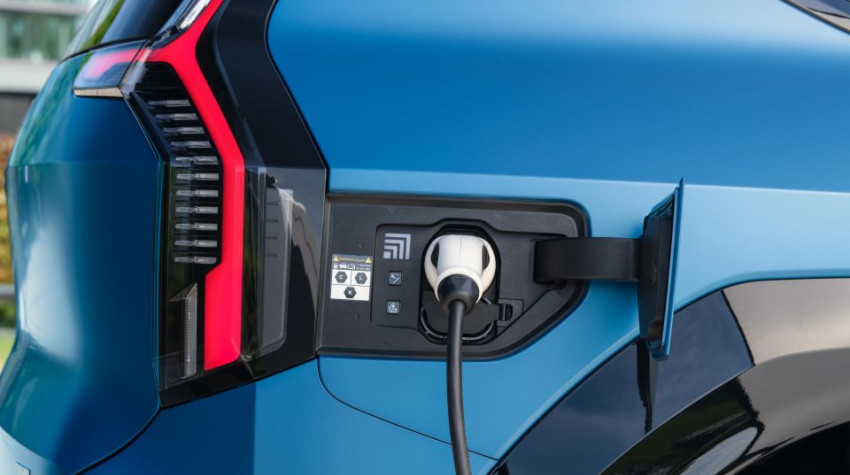
You can charge your electric car in several ways, and the quickest charge isn't necessarily the cheapest. You must choose what suits your situation.
Home chargers can be slow to charge, but you can run them at times that align with lower tariffs. Some even have smart charging and you can schedule them through apps on your phone.
Providers place public chargers out and about for fast and more convenient charging. You can also find on-street chargers and workplace chargers for employees that come with different schemes.
Key Factors That Affect Charging Costs
The cost to charge an electric vehicle depends on several factors:
- Charging Method (e.g. home or public)
- Chargepoint Location (e.g. supermarket or services)
- Charging Speed
- Battery Size (kWh)
- Electricity Rate (pence per kWh)
- Charging Efficiency (typically around 90–95%)
What is the cost of charging an electric car at home?
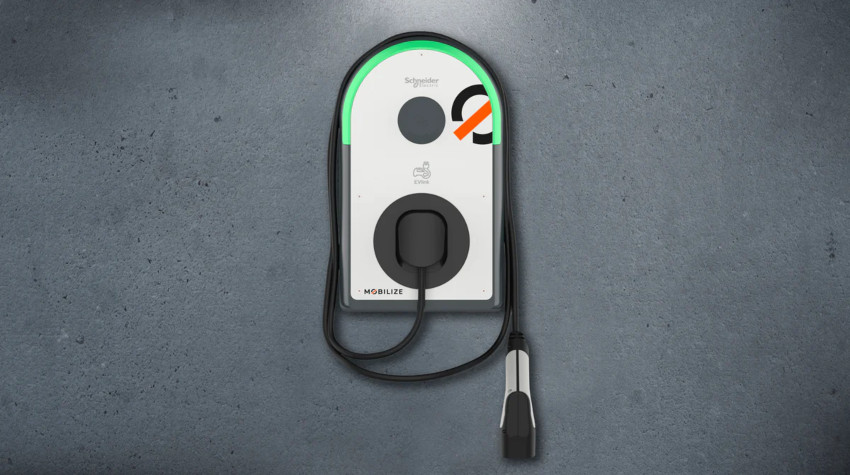
Charging at home is by far your cheapest option when adding energy to your electric car, and you can help make this even cheaper if you choose a certain supplier and charge over a certain period of the day/night.
You can charge your EV at home using a domestic socket or a dedicated wallbox, and based on a usable battery of ~54kWh (90%), you will pay around 24.5p/kWh to charge an EV at home. This equates to around £13 for a full charge.
The electricity cost per kWh remains the same in both cases - however, a domestic socket provides less safety for regular use and has limited smart features.
In contrast, a wallbox with smart charging can take advantage of off-peak tariffs and save you money in the long term.
Cost to Charge an EV at a Public Charging Station
This is where it’s beneficial to be more tactical with your EV charging, as prices will differ between public chargers based on how fast they are and their location, but you’ll be sure to find many options whilst out and about.
Shopping centres and service station car parks are some of the most commonly used places you’ll do this. Some supermarkets do offer free EV chargers, while service stations provide paid-for options, as do town and city car parks.
Slow and fast chargers offer up to 22 kW. You'll find rapid and ultra-rapid chargers at motorway service stations with 50 kW and above, often costing more for a faster charge. So overall, the cost to charge your EV in public will depend on these speeds, as well as the charger’s location.
If you often use public chargers, a subscription can provide discounted rates per kWh for a monthly fee. However, if you only use public charging occasionally, a subscription may not suit you, though some subscriptions allow you to pause or cancel, providing more flexibility.
On-Street Charging
You'll find on-street chargers in residential areas where there is no off-street parking. These public chargers will cost you depending on the location, charging network and speed.
Workplace Charging
Some workplaces provide EV charge points for employees. Charging an EV at work is often free to use during working hours, as your employer should cover the cost.
How to Calculate EV Charging Cost
Though you may not charge your car from 0-100%, you can quickly calculate roughly how much this would cost.
How to Calculate EV Charging Cost
Though you may not charge your car from 0-100%, you can quickly calculate roughly how much this would cost.
1. Find your EV's battery capacity
Your electric vehicle battery capacity represents the amount of electrical energy a battery can store and deliver, typically measured in kilowatt-hours (kWh). You can find this in your vehicle's specification or use a battery health test.
The average size of an EV battery is around 40kWh, but you can find cars with 20-100kWh. As a general rule of thumb, the larger the battery capacity, the further you can drive your electric vehicle before you need to recharge.
2. Determine the cost of electricity
Rates vary depending on the provider and charging speed. Some chargers have a fixed price per kWh, while others charge per minute or by a flat fee. If you're calculating the cost to charge your EV at home, you can check your electricity bill for the rate per kWh.
3. Calculate the cost
To calculate the cost of charging your electric car, multiply the battery capacity by the cost of electricity per kWh.
For example, if you own a car with a 40kWh usable battery capacity and the cost of electricity is 30p on a standard tariff, then the cost to fully charge the car would be 40kWh × £0.30/kWh = £12.00.
4. Calculate the realistic cost
Not all batteries run at 100% efficiency, so it's important to calculate the realistic cost that your car will take to fully charge.
To charge a 20 kWh battery with 90% efficiency, you need to input more energy: 20kWh ÷ 0.9 = 22.22kWh. You can then calculate the realistic cost based on this input: 22.22kWh × £0.30 ≈ £6.67
You can find the efficiency of your EV battery by dividing the car's range by its battery size in kWh. This will calculate how far your electric car can travel in miles per kilowatt-hour (miles/kWh). The higher this figure, the better its efficiency.
Electric Car Charging Cost Calculator
| Battery Size | Standard Tariff (~30p/kWh) | Off-Peak Tariff (~7.5p/kWh) | Realistic Cost with 90% Efficiency |
|---|---|---|---|
| 20kWh | £6.00 | £1.50 | £6.67 / £1.67 |
| 40kWh | £12.00 | £3.00 | £13.33 / £3.33 |
| 50kWh | £15.00 | £3.75 | £16.67 / £4.17 |
| 60kWh | £18.00 | £4.50 | £20.00 / £5.00 |
| 70kWh | £21.00 | £5.25 | £23.33 / £5.83 |
| 80kWh | £24.00 | £6.00 | £26.67 / £6.67 |
| 100kWh | £30.00 | £7.50 | £33.33 / £8.33 |
Based on information available for April–June 2025, Ofgem's energy price cap sets the electricity unit rate at 27.03p per kWh. The Intelligent Octopus Go tariff has a rate of 7p per kWh, and the Octopus Go tariff has a rate of 8.5p per kWh. This information was accurate at the time of writing.