
How Do You Charge an Electric Car?
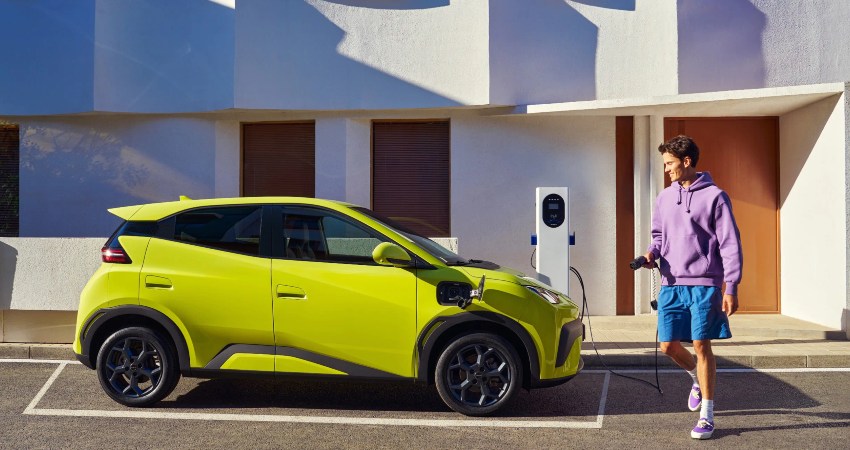
How and where to charge your EV
Switching to an electric vehicle (EV) comes with a few differences from that of an internal combustion-powered equivalent - but none are more prevalent than the way you ‘fill up’.
Of course, with an EV, you’re not going to a petrol station to drop fuel in your tank; not only are you plugging a charger into your vehicle instead, but you have choices of where you can do so.
If you’re interested in owning and driving an EV, how to charge and where to charge will be two of the most important aspects to get to know.
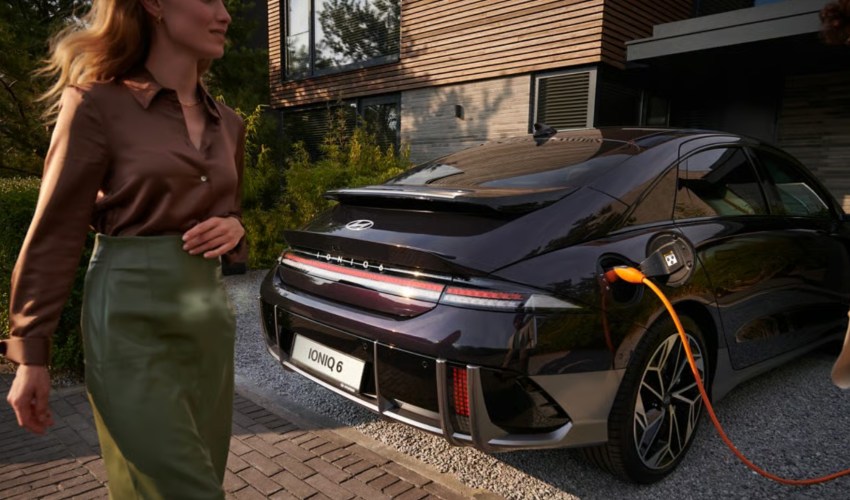
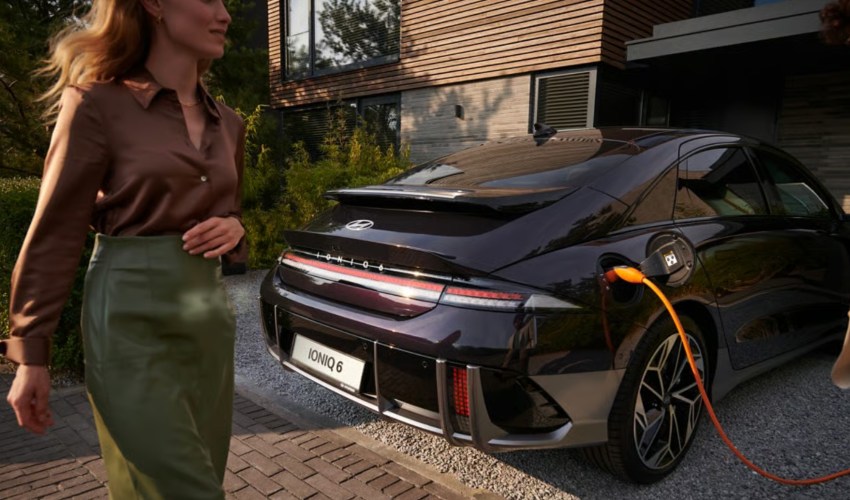
How to charge an electric car at home
Charging an EV at home is very likely to be where the vast majority of charging will take place.
Not only is charging at home the easiest way to keep your EV topped up with energy, but it will also be the cheapest way to do so.
Even at home, though, there are options as to how you can charge your EV.
The simplest form of charging your EV at home is direct into your mains; this is done via an Electric Vehicle Supply Equipment (EVSE) cable that has a 3-pin plug on one end.
However, this is by far the slowest way to charge your EV, and it is advised to only have it as a backup option.
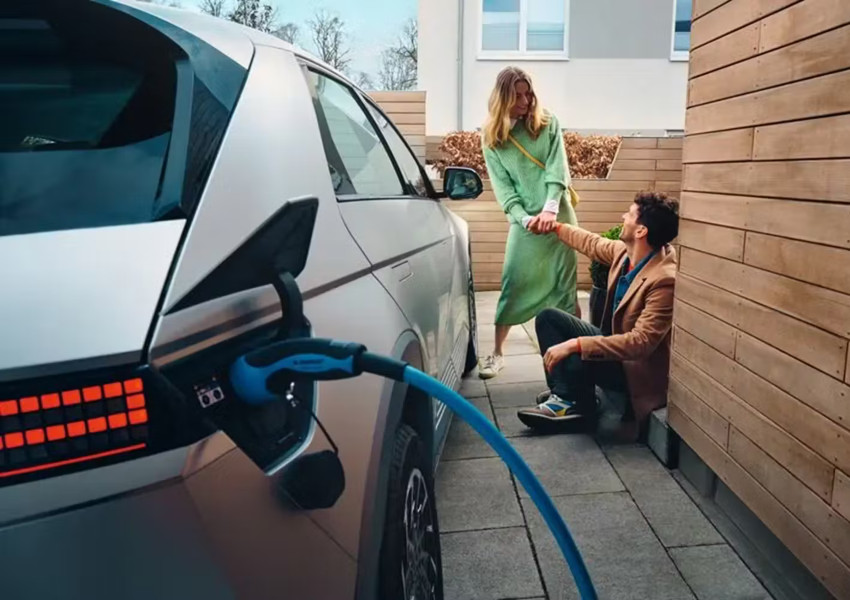
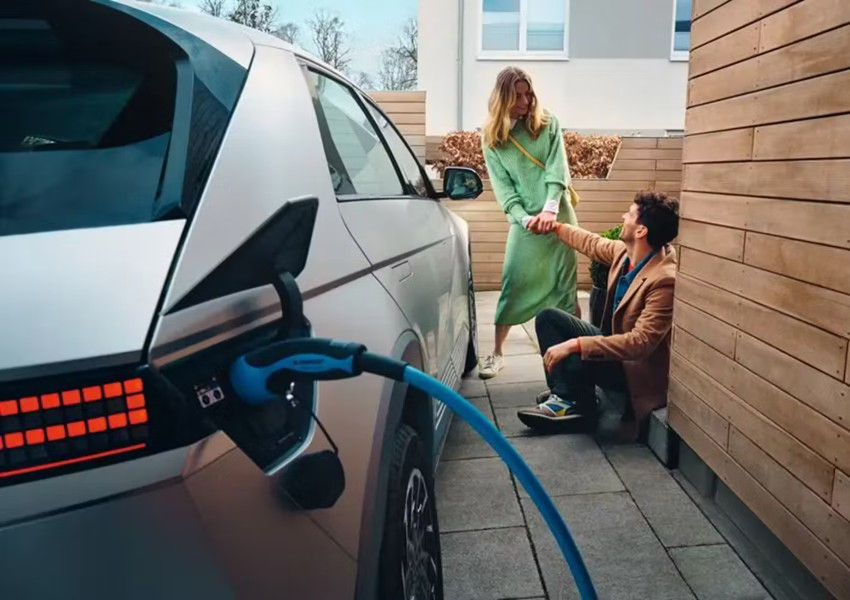
The ultimate way in which you can charge your EV at home is via a dedicated, external charging point. Not only do these offer much faster charging times, but also bring an assortment of built-in safety features.
A dedicated charger can be placed where you park your car, is installed by a qualified specialist, and has a compact and waterproof design.
How long does it take to charge an EV at home?
For the uninitiated, it’s useful to mention that charging speeds for EVs are measured in kilowatts (kW), and this is where the benefits of a dedicated charger become apparent.
Charging an electric car at home with a 3-pin plug charges at a speed of just 2.3kW, meaning you’ll get about 8 miles of range per hour of charge.
However, with a dedicated charger, you’ll be able to charge your EV at a minimum speed of 3.6kW, with most chargers working at 7kW - as a result, you’ll be getting between 15-30 miles of range per hour of charging.
One additional aspect to note is what’s possible on the vehicle’s side - each EV has different onboard charging capabilities, so it’s important to be aware of your vehicle’s top charging speed.
However, don’t worry if you’re using a charger that can charge at a higher speed than your vehicle’s capability - it won’t harm your EV and will charge normally.
Regarding how long it takes to get your EV fully charged, this will depend on everything discussed above, but with a 7kW charger, you’ll be looking at around 10-12 hours for an empty-to-full charge time.
Because of this, it is most common for EV drivers to charge their vehicles overnight - it is typically cheaper to do so at this time, too.
.jpg)
.jpg)
How to charge an EV at a public charger
One of the great facets of owning an electric car is the variety of locations in which you can charge your car up for a little bit of extra energy.
Whether you’re doing the weekly shop, putting some time in at the gym or using the local park & ride for work, it’s very likely that there’ll be public chargers available for you to take advantage of.
When charging at a public charge point, you’ll usually find that you need an app on your phone that connects with the charger in question so that you can initiate the process.
While some such locations may offer free charging, if you do need to pay, then the charger’s app will also be able to help facilitate this.
Also remember that you’ll usually need your own charging cable, so don’t forget to have that in the vehicle somewhere for when you need it.
How long does it take to charge at a public charger?
At such locations, you’ll typically find a minimum charging speed of 7kW, so you’ll be able to add about 20 miles’ of range (if not more) in about an hour.
When out and about locally in your EV, the mentality isn’t necessarily to get your vehicle fully charged - it’s more about topping up with a few miles of range whilst you’re not using your vehicle, keeping you going for the rest of the day.
.jpg)
.jpg)
What about charging at a motorway service station?
There’s not too much difference between charging your electric vehicle at a motorway service station compared to your local supermarket.
One key contrast, however, is that you’ll definitely have to pay, and, just like petrol and diesel costs at such locations, charging prices tend to also be noticeably increased.
However, you do tend to get a bit more bang for your buck as such chargers are typically what are referred to as ‘rapid chargers’; these dispense electricity at no less than 43kW and all the way up to 350kW.
These rapid chargers are great for adding lots of range in a short amount of time, and you can charge to at least 80% capacity in less than an hour in many cases.
Motorway service chargers also come with their own cabling, so don’t worry too much about carrying your own equipment if you only plan to use these rapid chargers.
Tips for efficient EV charging
There are a few areas you can look into to make sure you’re charging your EV efficiently and smartly, keeping your battery healthy and ensuring you’ve got the range you need.
Get to know your EV (and its equipment) - if you can understand the ins and outs of your electric vehicle, its equipment, and also the different chargers available to you, then such processes will come much more naturally.
Consider ‘smart charging’ - when choosing a dedicated home charger, try to get one with smart charging features, this way you can have ultimate control in the way in which your EV charges. Charging schedules can be set up, and setting these up during off-peak hours will help keep costs down.
Plan out longer journeys - for those trips that will rack up the miles, it’s always prudent to plan them out effectively by knowing where and when to stop to top up your charge, ideally somewhere with rapid charging. The likes of Zapmap can help you do just that.
Go easy with the rapid chargers - while they’re very helpful in adding lots of range quickly, you shouldn’t overuse rapid chargers as they can be bad for battery health. They’re great for a quick boost on long trips, but they shouldn’t be your go-to charger, with regular fast charging (7-22kW) a much better option for prolonging battery life.