

Buying your first car is an exciting milestone, and a huge step towards independence.
But it’s also a decision that shouldn’t be rushed.
Between how to buy and what to buy, purchasing your first car is a journey in itself.
Taking the time to research properly can help you avoid expensive mistakes, and also make your first experience of car ownership far more enjoyable in the long run.
Budgeting for car ownership
Before we go rushing into which cars to look at, there’s the not-so-small conversation of being able to afford one in the first place.
Not everyone acquires their first car the same way – many will look to finance it themselves, while others may be fortunate enough to be gifted a vehicle from their family.
Even then, the car’s purchase is only the first step of many when it comes to the finances of vehicle ownership.
The car
OK, let’s start with the largest expense – the car itself.
For those lucky enough to not have to worry about this step, feel free to skip this part of the process.
Many first-time buyers are working with a limited budget, but choosing the right car – and understanding your finance options – can make ownership more achievable than you might expect.
Those who are cash buyers and want outright ownership of their car, then maybe this doesn’t have to get too complicated – just stick to your budget where possible and spend your hard-earned cash wisely.
However, more doors open up when considering car finance, where the overall cost of the vehicle can be broken down into monthly payments over a set number of years.
Let’s use the example of a person who has £5,000 saved up for a car, but could also afford to spend £200 a month on finance.
That £5,000 might afford you something that could do the job for now – but the tech will be outdated, it won’t be the most efficient, and you may find it hasn’t been built to the most modern of safety standards.
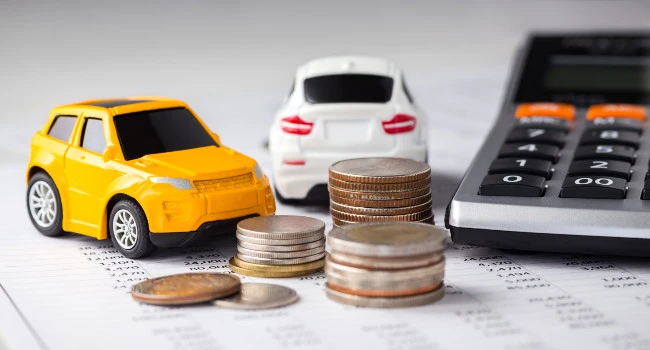
However, the key advantage here is that you’ll immediately have full ownership of the car, and that’ll be that in terms of purchasing costs.
Having that £200 per month available, however, widens the possibilities of how modern your first car can be – meaning safer cars with more efficient engines and better equipment enter your purchasing pool.
Also, with £5,000 cash available, just half of that amount would make for a solid deposit, while the rest can go towards additional outlays such as insurance and even a service plan.
There are considerations when buying your first car on finance, however, as it’s important to look at the long-term effects of spending something like £200 per month and where else that might limit you.
For example, many young people want to save for a house, which is hard enough already, and having an extra £200 to put towards such an endeavour each month could go a long way.
Ultimately, the right choice depends on your priorities. Some buyers value outright ownership and lower long-term costs, while others prioritise driving a more up-to-date car.
At the same time, some car buyers might be forced to go down one route or another if there’s only one viable option – circling back to not everyone being in the same boat when buying their first car.
Insurance
If you’re on the look out for your maiden motor, there’s a good chance this will be the first car you’ve ever insured.
As a result, there should be no surprise that the cost will likely be steep.
Understandably, insurers see inexperienced drivers as high risk, and so premiums are typically much higher.
Those who have been named drivers on the cars of family members will find some relief here, though being the main driver for the first time on a vehicle can still sting a little.
When it comes to calculating car insurance premiums, there are a few primary factors insurers look at, including:
- Age
- Amount of driving experience
- Address
- Occupation
- Type of car
- Annual mileage
Obviously, most aspects of that list are hard to control or change, while a couple of them are particularly pertinent to someone insuring their first car.
However, that’s not to say that there isn’t anything that can’t be done to help bring the cost of insurance down.
Don’t buy before getting a quote
If you’re considering a number of different cars, be sure to get an insurance quote on each before committing to a purchase
Aim for a low insurance group
An understanding of how insurance groups work will be beneficial, and ultimately aiming for a car between group 1-10 is where you want to be
Type of insurance
You can save money by buying third-party insurance, but be sure of the compromises of this beforehand
‘Black box’ insurance
Otherwise known as telematics insurance, having a device fitted to your car which monitors your driving can help reduce the initial cost
Adding named drivers
It’s very popular to have a young driver add more experienced drivers on their insurance (such as their parents), which can often help bring the price of insurance down
Other ways to reduce costs:
- Have a higher voluntary excess
- Pay annually instead of monthly
- Try to commit to a lower annual mileage
- Improve your vehicle’s security features
- Don’t modify your car
Vehicle Exercise Duty (car tax)
Vehicle Exercise Duty (VED) – more commonly known as car tax – is a legal requirement for UK motorists, and fortunately one of the cheaper expenses of car ownership.
There are a few factors as to how car tax is calculated, with the rules being revised every other year, especially since the introduction of electric and hybrid vehicles.
Primarily, the following aspects are used to calculate this figure:
- The car’s age
- CO₂ emissions
- Fuel type
- Original list price
It can be helpful to understand how car tax works, as it will help you make decisions on which cars to aim for at any time in your life – although you will typically be able to see tax costs on most car adverts.
Car tax can be paid monthly, every six months or annually, so is another cost to work out based on how you budget.
In a similar vein, it can be important to factor in any costs related to Clean Air Zones or ULEZ depending on where you do most of your driving.
Maintenance
Looking after your car is paramount to its mechanical health – and a healthy car means less overall cost, typically speaking.
Regular maintenance helps:
- Keep your car safe to drive
- Improve reliability
- Prevent breakdowns
- Maintain fuel efficiency
- Protect resale value
- Avoid larger repair bills later on
Obviously it will cost money to maintain your vehicle, with servicing and its MOT being the main moments of expense.
When it comes to servicing, this is where most money will be spent in any given year, but the less complicated your car is, the cheaper it should be to service.
An annual full service should typically cost under £200, while a major service will probably come in at just over £200.
The maximum fee for an MOT, meanwhile, is £54.85 – a car doesn’t require its first MOT until it’s three years old, but from that point it is a legal requirement to get one annually, with many people tying it in with their servicing.
Between scheduled visits to your local garage, make sure to regularly check your tyres and never ignore dashboard warning lights or messages.
Also, for extra peace of mind, take a look at arranging breakdown cover – especially if you’re looking to purchase an older car.
This would be another cost to factor in, but can be arranged for not much more than £50 per year and helps you out massively in the event of being stranded.
What makes a good first car?
As we’ve found out, there’s plenty to contemplate when it comes to the affordability of your first car – and that certainly plays a big part in which car you choose, as well.
But it’s also about finding a car that’s right for you.
Do you want something that’s great around town? A solid motorway cruiser? Maybe something with space for the family?
Other factors worth considering include reliability, safety, and whether to go for new or used.

Something that fits your lifestyle
Putting your budget to one side for a moment, there’s no point in buying any car that doesn’t do what you need it to do.
It’s important to ask yourself a few questions before committing to a purchase, such as:
- What type of journeys will I mostly do?
- How many passengers will I regularly carry?
- Do I need lots of boot space?
- Will I mainly drive in cities or on motorways?
- How important are fuel economy and comfort?
The answers to these questions will help direct you towards a good first car that suits you the most.
Smaller, lesser-powered cars can be great for the city for their ease of use, but maybe not great on frequent motorway trips where comfort, refinement and economy take more priority.
Those who often have passengers, especially in the form of family, will want to consider aspects such as the number of doors and seats, as well as boot space.
For drivers in the city, cars with smaller engines make a lot of sense, while those with big commutes will likely prefer something with a bit more punch and sensible fuel economy.
Hobbies and pets can also play a big part in the decision making process of buying your first car.
Getting something reliable
Next, you want to make sure your first car is going to be reliable, as the last thing you want to have to deal with is frequent breakdowns and related costs.
Preferably, you’ll look to get a car that will start consistently, have few unexpected mechanical mishaps, and be cheaper to maintain over time.
When considering any particular car, look into any common faults, as well as its service and MOT history and any owners’ reports.
A solid safety rating
This is where newer cars start to look particularly attractive, with older vehicles now starting to show their age in terms of how safe they are in comparison.
Modern cars offer significantly improved safety technology than their older counterparts, benefiting from multiple airbags, autonomous systems and stronger crash protection.
Taking a good look at a car’s NCAP safety rating will usually show where its strengths and weaknesses lie.
Calculate your insurance
As discussed, it is so important to check insurance premiums ahead of purchasing a vehicle.
The last thing you want amongst the excitement of buying your first car is to find out that it’s truly extortionate to insure after you’ve bought it.
Obtaining quotes from multiple insurers on a range of vehicles can help you understand likely costs and identify which cars are financially viable.
Vehicles that appear similar on paper can produce very different insurance quotes, so it’s always worth doing your research before committing to a purchase.
New vs Used
As one of the biggest aspects of decision making when buying a first car, choosing between a new or used vehicle can become a challenge of its own.
There are plenty of discussion points for either option, with a healthy spread of benefits and considerations whichever way you look at it – so it really boils down to what’s going to work for you.
New Car – Pros
- No previous wear or tear
- Modern safety systems
- Better efficiency & economy
- Manufacturer warranty
- Stronger finance options
New Car – Considerations
- Higher purchase price
- Heavier depreciation
- Potentially higher insurance costs
- Likely need to commit to monthly payments
Having a brand-new vehicle as your first ever car is an exciting prospect, and it would come with some great benefits.
As the first owner of the car, there would be no wear and tear on the vehicle, no service or MOT histories to have to go through – it would be in the best condition it’s ever going to be in.
Modern safety technology, meanwhile, gives true peace of mind when in a new car for both you and your passengers.
These modern standards are reflected in the engine bay, too, with fuel economy and efficiency greatly improved when compared to older cars.
Additional security can be found in the manufacturer warranty that comes with every new car – most come with a three-year warranty, while brands such as Hyundai and Kia offer even more.
When it comes to financing a new car, there are typically more options thanks to manufacturer-backed finance deals – new vehicles can often be had with low deposits and affordable monthly payments thanks to the lower interest rates new cars benefit from.
Of course, there are some aspects that are worth taking into account, such as the higher purchase price of new cars that will likely turn away any cash buyers.
Depreciation is also a bit of an issue – especially if you were to pay in full – though PCP and PCH deals help soothe these effects.
While new cars are typically safer, some modern cars may have parts that are expensive to replace, and so can contribute towards higher insurance premiums.
From a financing point of view, a new car purchase is typically only possible through monthly payments, leaving this option open only to those who have the required budget.
Used Car – Pros
- Lower purchase price
- Slower depreciation
- Potentially lower insurance costs
- Wider choice of vehicles within budget
Used Car – Consideration
- Increased risk of mechanical failure
- Limited or no warranty
- Older tech & safety features
- Possible vehicle history issues
It’s no surprise that the majority of first-time car buyers will gravitate towards buying a used vehicle, mainly due to their lower purchase price which cash buyers are specifically attracted to.
Additionally, with most of a car’s value depreciating in the first two-three years of its life, you’ll typically find that a used car’s value doesn’t drop that much when it comes to moving it on.
Used cars can be cheaper to fix and so incur cheaper insurance costs, though their lesser safety features compared to new vehicles can also send prices the other way.
A wider pool of cars can often be found when looking within a certain budget, helping to give you a thicker spread of options when searching for your first car.
Of course, with used cars having a few miles on the clock, their components have taken on some wear over the years and can lead to mechanical issues that will naturally cost money to fix.
It’s also likely there won’t be a warranty in place to use as a safety net in the event of certain failures, though cars with longer initial manufacturer warranties may still have some left to pass on.
Compared to a new car, the cabin of a used vehicle is possibly going to look a little spartan when looking at such features as infotainment systems and dashboard tech, while safety standards might also not be up to speed with modern alternatives.
Any used vehicle will also need a thorough check regarding its service and MOT history, making sure there’s no particularly worrying signs and that the car is a good runner.
For those looking to finance a used car, it is worth being mindful that pre-owned vehicles incur a steeper rate of interest than new cars, while not all used vehicles are available on PCP, and PCH isn’t an option at all.
Nearly new cars
There is a third option, however, in the form of cars that aren’t quite ‘new’ and aren’t quite ‘used’.
Nearly new cars are typically vehicles which have been pre-registered by the dealership or they are ex-demonstrators.
Either way, they’ve been looked after by the dealer, who in turn becomes the car’s first ‘keeper’, meaning their name has been entered onto the V5C document.
As a result, you can find attractive discounts on such cars that are practically new and only have a few miles on the clock.
The downside, however, is that they are treated like used cars, and so don’t always offer any manufacturer finance benefits – though some such cars may be classed as ‘approved used’ and can offer certain benefits as a result.
Where to buy your first car
We’re getting closer to the excitement of buying that first car, but there’s still a couple of steps left.
Where you purchase your vehicle from could very well depend on the choices made up to this point.

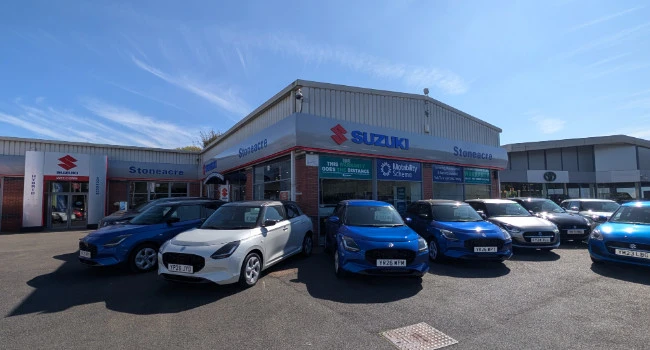
Main dealer
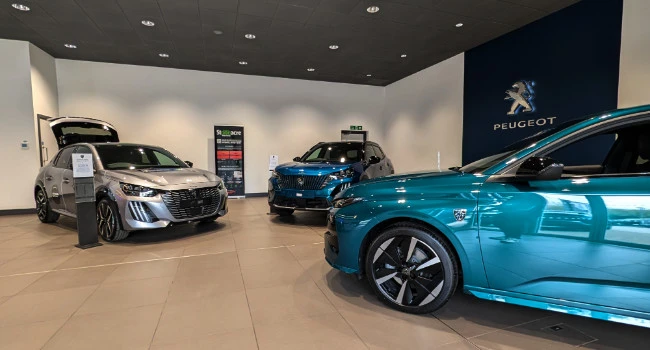
If you’ve decided a new car is for you, then you’ll need to go through a main dealer, as they’re the ones with the franchise rights to be able sell brand-new vehicles.
For a lot of people, the manufacturer backing of a main dealer is a big selling point.
Main dealers will also have a selection of used options, with some of those potentially being nearly new or approved by the manufacturer.
Not only that, but more finance options will be at your disposal thanks to the dealer’s strong relationships with the many lenders available to them.
Independent dealers
Independent dealers can also offer a healthy variety of cars to choose from, but they will only have pre-owned vehicles available.
You may also come across lower prices compared to main dealers, as they have lower overheads and less staff.
Meanwhile, they’ll have typical finance options such as HP and PCP, but no manufacturer backing for particularly strong offers or nearly new options.
It’s also important to read reviews carefully when considering an independent dealer, as standards between them can differ.
Buying privately
Buying your first car privately can be an option for those who are looking to buy with cash or are getting a bank loan.
In this case, you might once again find better prices and possibly more room for negotiation.
However, you won’t benefit from the legal protection buying from a proper dealer gives, while cars are usually ‘sold as seen’ with no warranty in place.
It can also be a lot harder to determine a car’s full history when buying privately.
Taking a test drive
Regardless of where you buy from, you need to make sure that the car is right for you and that there are no obvious issues with how it tackles the road.
A test drive is the perfect way to get a feel for the car, not only the basic controls but also how aspects such as the infotainment system work for you.
If you have a family, take them along for the ride to see how they get on, too.
If looking at a used car, it’s also a good opportunity to make sure the car drives well and that there’s no issues with the brakes, clutch or changing gear, and that everything sounds like it should.
How to finance your first car
Getting into the business end of the purchase, the way in which you finance your car will depend on a few aspects.
As we’ve said, if you’re a cash buyer, this step is quite straightforward, but those looking at finance options will have quite a bit more to think about.

Hire Purchase (HP)
Across the board, Hire Purchase is possibly the most commonly used finance type.
Not only that, but HP is as simple as it gets when it comes to car finance, and it’s an option you’ll want to take consideration of if you’re looking to own your car outright.
Key aspects of HP finance:
- Common way to finance a used vehicle
- Monthly payments go towards the full value of the car
- You’ll own the car once all payments are made
- Interest is applicable
Personal Contract Purchase (PCP)
Another popular option, Personal Contract Purchase is a finance type that’s favoured with new car buyers and those who like to have options at the end of the agreement.
Like with HP, monthly payments are made during a PCP agreement – but instead of those payments going towards the full value of the car, they’re just paying off the depreciation of the vehicle whilst you have it.
Because of this, these payments tend to be cheaper in comparison with HP agreements.
How much depreciation is incurred depends on: the term length; contract mileage; and the car itself (brand, fuel type etc.).
At the end of your term, you’ll have three core options of what to do next (depending on a couple of factors):
Pay the final payment to make the car yours: typically known as the Guaranteed Minimum Future Value (GMFV), this is the amount you’ll need to pay to make the car yours
Hand the car back: you’ll be free to hand the car back (minus any charges for excess mileage or wear and tear)
Part exchange for a new car: if your vehicle has equity in it (i.e. it’s worth more then the GMFV), this part exchange value can be used towards your next car
Key aspects of PCP finance:
- Popular for new car buyers
- Cheaper monthly payments
- Consideration needed for contract mileage
- Flexible options at the end of the agreement
- 0% APR options available
Personal Contract Hire (PCH)
Available exclusively to new car buyers, Personal Contract Hire is an option that’s gaining traction thanks to affordable deals put on by manufacturers.
In a similar way to PCP, monthly payments during a PCH agreement only go towards the depreciation of the car whilst you have it, and so are typically more affordable.
Also, like PCP, you’ll need to stick to a predetermined mileage that’s set at the start of the agreement, and you can be responsible for any damage to the car beyond the wear and tear policy.
However, the big difference here is that there are no options at the end of the contract other than handing the car back and getting a new one – although it might be possible to extend the contract one year at a time.
Additionally, there’s no inclusion of interest when it comes to PCH deals – you are just paying to use the vehicle, essentially, and is why it’s often referred to as leasing.
Key aspects of PCH:
- Exclusive to new car buyers
- Cheaper monthly payments
- Consideration needed for contract mileage
- No option for ownership
- No inclusion of interest
Bank Loan
As one of the simplest ways to finance a car, a bank loan is great for those wanting immediate ownership.
You’ll need to be eligible for the loan itself, but beyond that it will be a simple case of using the loan to pay for the car and then paying back the bank on a monthly basis.
Of course, you don’t want to loan more money than you need, while interest rates are also a key part of a bank loan’s expense.
Using your own bank is likely the most obvious choice, but shopping around can certainly help determine the best options.
Key aspects of a bank loan:
- Straightforward way to finance a car
- Immediate ownership
- Payments highly depend on the interest rate
- Eligibility parameters might be more stringent compared to car finance

Being eligible for finance
If there’s one thing all of the above options have in common, it’s that you have to pass eligibility checks for each one.
This is the case with any financial product, as lenders need to assess the level of risk on a person-by-person basis.
Car finance eligibility comes with its own set of parameters, with some lenders being more flexible than others – some have the headroom to offer deals to those with bad credit, while others only market to those in stronger positions.
Key aspects of eligibility:
- Address & job history
- Wage/affordability
- Credit history & score
- Current credit balance
- Electoral roll status
Your credit history and resulting credit score are important here, as it tells lenders your borrowing history – however, affordability is also a vital factor towards being eligible, and those with bad credit but good affordability can still be accepted for finance.
Car finance tips
There are a few simple concepts that can help make car finance a little easier to fathom.
Term – this is the amount of time the finance agreement will be paid over, and a longer term typically helps make the monthly payments cheaper, but more interest will also be incurred.
Deposit – as the amount you put down ahead of the agreement starting, the deposit can affect what you pay monthly. For example, the more you put down, the less there is to finance, and so will bring down your payments.
Interest rate (APR) – this is the rate at which interest will be calculated, and the simple way to look at it is to think, the higher the rate the more extra cost there is to your finance.
Mileage – this is an important factor for both PCP and PCH, as the amount of miles you drive during your time with the car affects the level of depreciation – the more miles you plan to do, the more the car will lose its value and the higher your payments will be.
Excess charges – again, relevant to PCP and PCH, such charges can come into play if you go over your agreed mileage or the car incurs damage beyond the wear and tear policy.
Guaranteed Minimum Future Value – a major part of a PCP deal, the GMFV needs to be paid to take ownership of the car, and will also help determine whether there’s any equity in it for part exchange.
Questions to ask before committing
Trying to balance the excitement of buying your first car with making the right decisions is an art in itself.
If you’re looking for a pre-owned vehicle, it can be important to ask the right questions when out car shopping to help:
- Avoid unexpected costs
- Spot potential problems
- Better understand what you’re buying
- Feel more confident in your decision
Does the car have a full service history?
A strong service history suggests the car has been maintained correctly throughout its life, so ask about how often the vehicle has been serviced and if it was done on time, as well as if there has been any major maintenance work.
How many previous owners has it had?
While the answer to this question doesn’t pose an immediate issue, it’s always nice to know the car has been under consistent care which can also be reflected in the service history.
Has the car ever failed an MOT?
It’s common for a used vehicle to have the odd advisory in its MOT history, but if it’s failed the test altogether at some point, it can be useful to know what it was for and if the issue ever cropped up again.
What are the typical running costs?
The dealer should be able to give you information regarding the car’s fuel, road tax and servicing costs.
Is the car sold with a warranty or breakdown cover?
These can be helpful to any car buyer, especially if any of the manufacturer’s warranty is still valid, and if there are any options for breakdown cover through the dealer or even the manufacturer.
Are the V5C document and both keys present?
There shouldn’t really be any excuse for there being no V5C document present, but it’s worth just making sure, and the same should hopefully be the case with the keys as it can be expensive to get another.
Common mistakes first-time car buyers make
Buying a car requires you to think about the long term – there are both financial and practical factors to consider for the years ahead.
During all the excitement of purchasing your first ever car, you can be forgiven for making the odd mistake in the buying journey, and these are some of the most common ones:
Focusing only on the purchase price
Finding a vehicle within your budget is obviously important – but the purchase price is only one part of the overall cost of ownership.
Remember that you also have to finance the likes of your insurance, tax, fuel and maintenance.
Buying before knowing insurance costs
As we’ve said, buying your car before knowing how much it will cost to insure can be quite the pitfall.
Getting quotes beforehand can save the frustration of finding out the car you’ve bought is out of your budget when it comes to insurance.
Not checking the MOT history
The MOT (and service) history of a car can tell the story of a vehicle’s life and how well it has been maintained.
Looking for recurring issues and getting a solid idea of a car’s health can help so much in the long run.
Not having a test drive
You will find out so much about any car if you take it for a drive – how it feels behind the wheel; getting to know the infotainment system; how much space there is – it’s one of the most important parts of the purchasing journey and isn’t worth missing out on.
Overstretching on finance
As much as financing a car can open up more doors of possibilities, it’s important not to go beyond your budget.
Committing to a finance contract outside of what’s affordable can affect your day-to-day budgeting as well as risk financial penalties elsewhere.

There’s lots of enjoyment to be had when buying your first car – the freedom of driving your own vehicle brings so many advantages.
But it’s important to take a minute during this process and consider the important steps that will lead to a positive decision for the long term.
Remember that your budget plays such a big part of this – and not just in the initial cost of the vehicle itself.
Even at the dealership stage, you’ll benefit from taking your time and asking the right questions.
Hopefully, this guide will help you find the perfect first car – one that gives you everything you need, while delivering the excitement and freedom that comes with getting behind the wheel.