
There has been a rise in affordable electric cars over the past couple of years. With manufacturers making more affordable electric vehicles (EVs), which are perfectly suited for a lot of British drivers.
Compact cars have long been popular in the UK. They are affordable and fit narrow British streets and supermarket parking. So it makes sense to see our favorite car type move into electric cars.
With the average driver driving just 19 miles a day, compact EVs are a perfect choice for a lot of drivers. Take the new Nissan Micra, for example, which offers up to 260 miles of range on a full charge. For many everyday drivers, that is more than enough for regular commutes and weekly driving.
Small EVs can also have lower running costs. With reduced road tax costs, drivers only pay £10 for the first year, and lower maintenance costs compared with a petrol or diesel car. This makes compact electric cars a very appealing choice for UK drivers who want to switch to electric.
Electric cars have long been seen as too expensive by many consumers. However, compact EVs are starting to change this view. More affordable electric cars now offer enough range for most drivers.
Why Are Affordable Electric Cars Gaining Momentum?
Small cars are very popular in the UK; we have narrow streets and busy supermarket car parks to tackle, and compact cars have helped us get around busy cities.
Most drivers stay local, whether it’s the school run or a 20-minute drive to work, most drivers don’t need long range. Popular with young drivers and second-car households, compact EVs are perfect for consumers making the move to electric.
The biggest reason not to buy a new EV is the upfront price. Manufacturers have been focusing on larger cars with higher profit margins, pricing out drivers who don’t drive too often.
That’s shifting. Rising fuel prices, faster charging, and government support are pushing more drivers to consider electric vehicles. Compact EVs are also arriving from more brands. These cars use smaller batteries but still offer a reliable range for daily driving.
The Manufacturers Bringing Us New Compact EVs
Familiar manufacturers are now entering the compact EV space, often sticking with models drivers already recognise:
The Vauxhall Corsa Electric is an electric take on the ever-popular Corsa, offering up to 266 miles of range in a refined hatchback.
Kia, which keeps expanding its electric line-up, has added the Kia EV2 and is expected to add more compact, affordable options.
Renault has used the AmpR Small Platform with the Renault 5 e-Tech Electric specifically for smaller cars. We will also see a new Renault release: the Renault Twingo E-Tech Electric. This could be the first electric compact car below £20,000, making new electric cars more affordable than ever.
The Citroen e-C3 is another small electric city car that offers a budget-friendly electric car for city drivers.
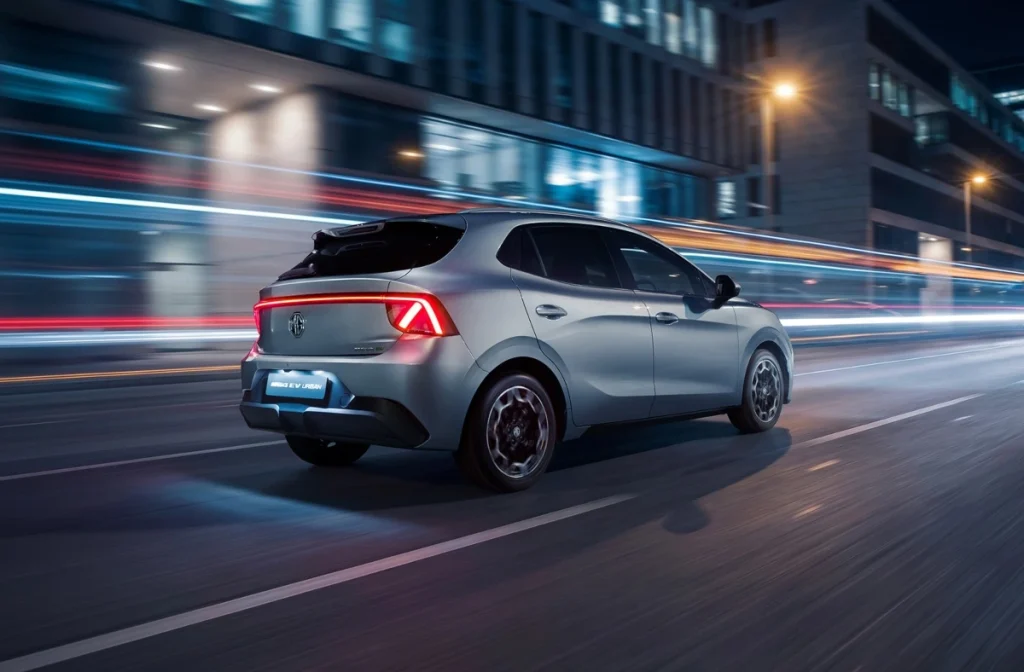
The MG4 EV is a stylish compact EV with up to 258 miles of range, which can be bought for less than £25,000.
More choice means more momentum. As compact EVs become more practical and more familiar, they’re reaching a far wider group of buyers.
What Do We Mean by Affordable Electric Cars?
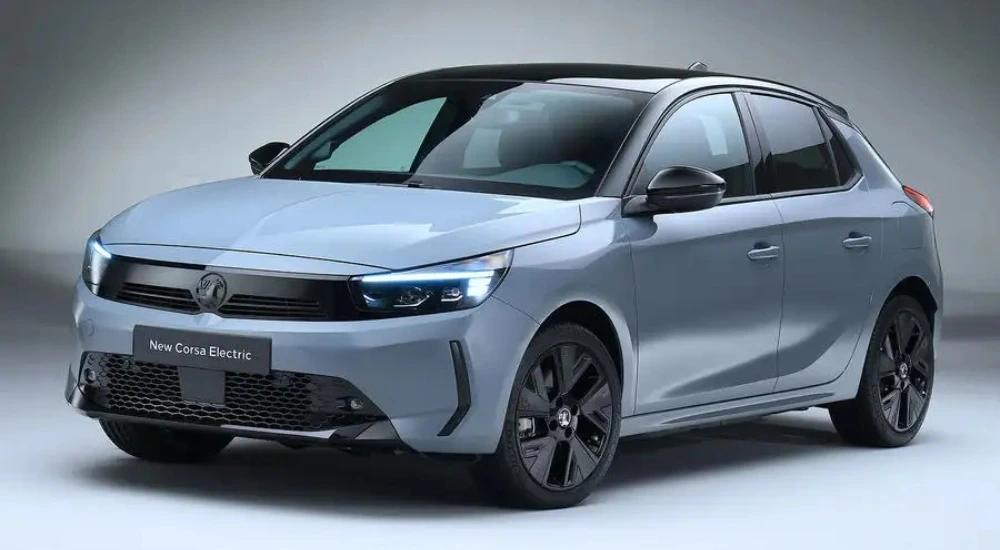
Affordable isn’t just about the sticker price. Manufacturers are working to bring down what EVs cost to buy, but affordability also covers what a car costs to run, charge, maintain, and own over the years you keep it.
Running costs are where a lot of the appeal sits when buying an electric car. Compact petrol and diesel cars have always been popular because they’re economical, and compact EVs can push that further.
A compact EV can save you money in a few ways:
- Lower fuel costs: Charge at home and you’ll often pay far less per mile than you would at the pumps. With fuel prices still a worry for plenty of households, that’s a real saving.
- Government support: The Electric Car Grant can cut the cost of eligible new EVs by up to £3,750, and salary sacrifice or workplace schemes may help some drivers switch to electric.
- Cheaper maintenance: With fewer moving parts, no oil changes, and fewer running parts, an EV requires less trips to the garage, bringing down the costs of services and repairs.
Add it up, and compact EVs make electric driving realistic for more households. This is especially true for drivers who want a car that’s affordable to buy and cheap to run. Even factoring in the price of a home charger, a compact EV can still offer big savings.
Why Compact EVs are Leading the Affordable Electric Car Market?
Compact EVs are leading the way in affordability, as they fit exactly what compact car drivers want.
The smaller and more affordable batteries, usually reaching around 260 miles per charge, are plenty for a week of driving for someone who uses their car for driving locally.
They also hold the same appeal as their fuel counterparts by being easy to manoeuvre around tight spaces and are better suited for city driving. Making compact EVs a lot more practical than SUVs for the right person.
Customers looking for a runaround car with enough mileage for what they need will find something special in a compact EV at an affordable price, suiting a variety of people, including:
- First-time EV buyers
- Younger drivers
- Urban and suburban drivers
- Second-car households
- Lower-mileage drivers
- Drivers wanting to cut fuel costs
- Families after a practical runaround
And with manufacturers aiming to make electric cars below the £20k mark, we are looking at a more sustainable and electrified future.
The Everyday Benefits of Choosing a Compact Electric Car
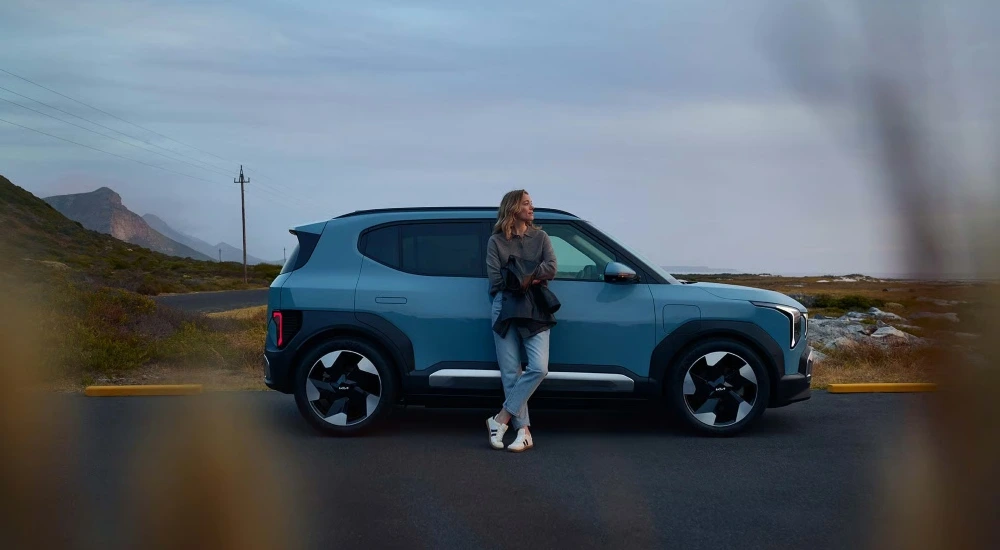
Compact electric cars aren’t just popular because they’re getting cheaper. They’re also practical, easy to drive, and well-suited to everyday life.
Lower Running Costs
One of the biggest draws is the potential for lower running costs. Charging an EV can work out cheaper than filling up, particularly if you can charge at home on an EV-friendly tariff.
Compact EVs are efficient because they’re smaller and lighter than bigger electric cars, so you get more out of every charge, especially around town.
Easy Urban Driving
Compact EVs are made for the city. Their size makes them easy to park and easy to thread through narrow streets, and they’re a doddle in busy town centres.
Electric cars also feel smooth and quiet in stop-start traffic, which takes the edge off the daily grind, and the instant response from the motor makes them feel nippy and effortless to drive.
Zero Tailpipe Emissions
Electric cars produce zero tailpipe emissions, which is a real plus for drivers who want to lower their impact. It counts for even more in built-up areas, where cleaner vehicles help improve local air quality.
If you spend most of your driving time in towns and cities, a compact EV is a cleaner, more efficient way to get around.
Practical for Daily Journeys
Most days don’t call for hundreds of miles of range. For commuting, the school run, shopping, and short weekend trips, a compact EV has plenty to give.
Many affordable EVs now cover the average driver’s daily mileage comfortably, so you may not need to charge every day. Depending on how you use the car, charging once or twice a week could be enough.
Lower Maintenance Needs
Electric cars have fewer moving parts than petrol and diesel cars. There’s no traditional engine, clutch, or exhaust, which means fewer components to wear out.
EVs still need regular servicing, tyres, brakes, and safety checks, but the simpler drivetrain can keep certain maintenance costs down.
Are Affordable Compact EVs Right for Everyone?
Affordable compact EVs work for a lot of UK drivers, but they won’t suit everyone.
Drivers who regularly do long motorway miles, need a big boot, tow heavy loads, or carry several passengers may be better off with a larger EV that offers more space and range.
That’s why it pays to think about how you use your car before picking an EV. For many drivers, a compact electric car will offer more than enough range and practicality. For others, a bigger EV is the better fit.
What to Consider Before Choosing an Affordable Electric Car
Before you settle on an affordable electric car, it’s worth weighing up your driving habits and what you need from your next car.
Range
Range is usually the first thing drivers look at, but it’s worth thinking about real-world use rather than chasing the biggest number.
If you mainly do short distances, a compact EV with a smaller battery may be plenty. If you regularly travel further, look at models with a larger battery and faster charging.
Charging
Charging is the next big one. A driveway or home charging makes EV ownership much easier, since you can charge overnight and start each day with a full battery.
If you’ll rely on public charging, check what’s available near home, work, and your regular routes before committing.
Practicality
Compact EVs are ideal for town and city driving, but space still matters. Think about how often you carry passengers, how much boot space you need, and whether the car fits your weekly routine.
Finance Options
Finance can make an EV more affordable by spreading the cost into monthly payments. For a lot of drivers, that makes moving to a newer compact EV feel far more manageable.
The Future of Affordable Electric Cars in the UK
The rise of compact EVs is a sign that electric cars are becoming a genuine option for everyday drivers. As more manufacturers bring smaller, more affordable models to market, buyers will have more choice than ever.
That matters in the UK, where small cars have always been popular. Drivers want something easy to park, cheap to run, and practical enough for daily life. Compact EVs tick those boxes while adding zero tailpipe emissions and smooth electric driving.
Affordable electric cars aren’t a future idea anymore. They’re a real choice for more UK households, especially as familiar brands keep launching compact EVs built around how people drive.
For anyone who wants to cut running costs, go electric, and keep things practical, compact EVs are one of the most exciting corners of the car market right now.