
What is Euro 7? Euro 7 is the seventh iteration of European Union vehicle emission standards, created to further limit the pollutants produced by cars, vans, lorries and buses. It builds on decades of euro emissions regulations and represents one of the most comprehensive updates yet to euro standards for emissions.
Unlike previous updates, the Euro 7 emission standards don’t just focus on what comes out of the exhaust. Instead, they take a broader view of pollution, including emissions created by brakes and tyres, and how vehicles perform over their entire lifespan. The aim is simple but ambitious: cleaner air, healthier communities and vehicles that remain compliant in real-world conditions for longer.
For UK drivers, Euro 7 will mainly affect new vehicles entering the market from the implementation dates, rather than cars already on the road.
Why Euro 7 Matters: The Push for Cleaner Air
The introduction of Euro 7 reflects growing awareness that air pollution remains a major challenge across Europe, particularly in urban areas.

Health and environmental benefits
Road transport is a significant contributor to nitrogen oxides (NOx) and fine particulates, both of which are linked to respiratory illnesses, heart disease and reduced life expectancy. By tightening emission standards, Euro 7 aims to reduce exposure to these pollutants, improving public health outcomes—especially for children and older people.
Meeting climate and environmental targets
Although Euro 7 does not directly regulate CO₂, it supports wider environmental goals by encouraging cleaner, more efficient vehicle technologies. It also complements policies aimed at reducing overall transport emissions across Europe.
Many drivers will be familiar with clean air zones and low-emission areas. Euro 7 is designed to make vehicles cleaner in everyday driving situations, helping towns and cities improve air quality without relying solely on restrictions or charges.
Key Changes from Euro 6 to Euro 7
When comparing Euro 6 with Euro 7, the scale of change becomes clear. Euro 7 is not just a minor update—it represents a shift from “tailpipe-only” regulations to “whole-vehicle” environmental standards.
Real-World Driving Conditions:
While exhaust limits for cars remain similar to Euro 6, they must now be met under much tougher conditions. This includes short commutes, extreme temperatures (up to 45°C), and stop-start urban traffic—scenarios where vehicles historically produce the most pollution.
New Regulations for Brake and Tyre Particulates:
For the first time, non-exhaust emissions are regulated. This ensures that even electric vehicles (EVs), which have no tailpipe, are held accountable for the dust they produce. Pure EVs face a stricter brake limit of 3mg/km, while hybrids and petrol/diesel cars are limited to 7mg/km.
Electric Vehicle Battery Durability
Euro 7 introduces the first-ever legal protections for EV battery life. Manufacturers must ensure batteries retain at least 80% of their capacity after 5 years (or 100,000km) and 72% after 8 years (or 160,000km), protecting the resale value of used EVs.
Doubled Durability Requirements
Emission control systems must now remain effective for twice as long as before—up to 10 years or 200,000 kilometres—ensuring cars don’t become “dirtier” as they age.
On-Board Monitoring (OBM)
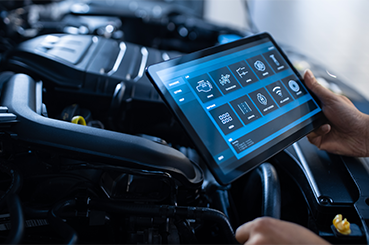
New vehicles will be fitted with sophisticated sensors that monitor emissions in real-time. If a vehicle begins to exceed legal limits due to a mechanical fault, the driver is alerted immediately, rather than waiting for an annual MOT.
These changes make Euro 7 one of the most comprehensive vehicle emission standards introduced to date.
When Does Euro 7 Come into Effect?
Following final negotiations, the implementation timeline has been adjusted to allow the industry to transition smoothly.
- Small-Volume Manufacturers: Specialized brands have until 2030 to comply with the new standards.
- New Passenger Car and Van Models: Expected from late 2026.
- All New Cars and Vans Sold: From late 2027.
- Lorries, Buses, and Coaches: Implementation begins in 2028, with all new registrations following in 2029.
What it means for new car buyers
If you buy a brand-new vehicle after these dates, it will need to comply with Euro 7 emissions regulations. This ensures that every new car entering the market meets the latest standards for air quality and durability.
How Will It Affect You and Your Car?
One of the most common questions drivers ask is: “is my car Euro 7 compliant?”
Reassurance for existing drivers
- Euro 7 does not apply retrospectively
- Cars already on the road do not need to be upgraded
- There is no requirement to replace a vehicle simply because Euro 7 exists
Euro 7 applies only to new vehicles registered after the relevant implementation dates.
If you’re asking, “what euro standard is my car?”, this depends on when it was first registered. Many UK vehicles are currently Euro 6 compliant, which remains perfectly valid.
A Brief History: Euro 1 Through Euro 6
To understand why Euro 7 is such a big step, it helps to look at how euro emissions regulations have evolved over time.
- Euro 1 (1993)
The first EU-wide standards, introducing basic catalytic converters and unleaded fuel requirements. - Euro 2 (1997)
Tightened limits, particularly for diesel engines, as diesel vehicle use increased. - Euro 3 (2001)
Improved emissions control through better fuel injection and engine management systems. - Euro 4 (2006)
Further reductions in NOx emissions. Many drivers still ask “what is Euro 4 emissions?”, as these vehicles remain on UK roads today. - Euro 5 (2011)
Diesel particulate filters (DPFs) became standard, dramatically reducing soot emissions. - Euro 6 (2015)
A major step forward, with much lower NOx limits and widespread use of SCR and AdBlue technology. This is why questions like “what is Euro 6 emissions?” are still very relevant.
Each stage has built on the last, leading to the comprehensive approach seen in Euro 7.
What This Means for Drivers and the Motor Industry
Impact on vehicle prices
The European Commission estimates the cost of these upgrades to be approximately £250–£300 per car. While this may influence new car pricing, the added battery guarantees and longer component life offer significant value to second-hand buyers.
A Fairer Playing Field for Fuels
For the first time, petrol and diesel cars will be held to the same nitrogen oxide (NOx) limit of 60mg/km. Previously, diesel cars were permitted slightly higher levels.
The transition to electric vehicles
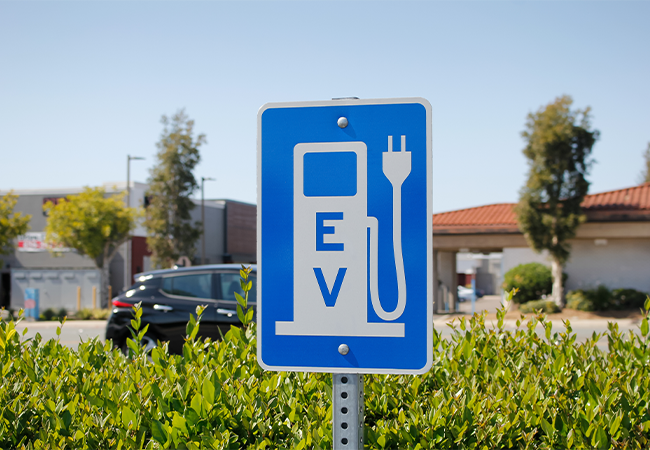
By including brake and tyre emissions, Euro 7 recognises that electric vehicles are not completely emission-free. However, it continues to support electrification by setting high standards for battery health and charging efficiency.
Final Thoughts from Stoneacre
Euro 7 represents a major evolution in emission standards, focusing on real-world performance, long-term durability and all sources of vehicle pollution. While it won’t affect cars already on the road, it will shape the next generation of vehicles available to UK drivers.
At Stoneacre, we believe informed customers make confident decisions. Whether you’re exploring current euro 6 emission standards or considering future-ready vehicles, our teams are here to help you find the right car for your needs—today and in the years ahead.