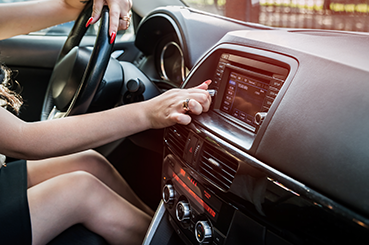

In 2026, the humble hatchback remains one of Britain’s favourite car body styles. From city commuters to family everyday cars, hatchbacks balance practicality with affordability. But one area where buyers increasingly focus their attention is infotainment — the system that connects you to maps, media, your phone and even your car itself.
Infotainment isn’t just about big screens and flashy graphics anymore; it’s about functionality, ease of use, safety, and long-term reliability. In this guide, we compare what you’ll find across the 2026 hatchback range from major UK hatchback manufacturers. We look at the features, design, real-world usability, and what to consider when buying your next car.
1. The “Google-Inside” Revolution: Renault and Nissan
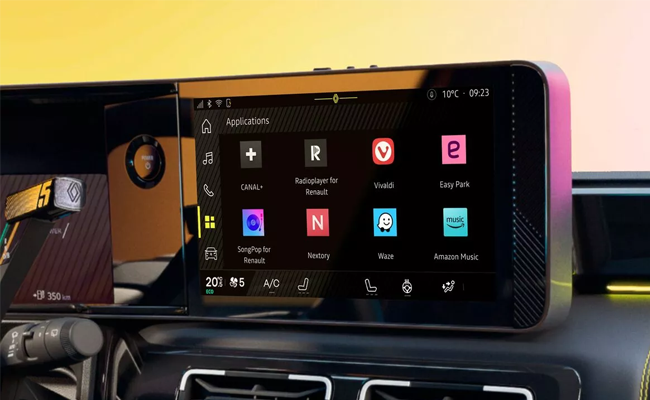
The biggest shift in 2026 is the decline of proprietary, clunky manufacturer-made sat-navs. Renault and Nissan have taken the lead by moving to Google Built-in (Android Automotive).
- Renault 5 E-Tech: The Renault 5 is the tech star of 2026. Its OpenR Link system features “Reno,” an AI avatar that acts as a digital co-pilot. Because Google Maps and Spotify are native to the car, you don’t even need to plug in your phone to get a premium experience. It’s fast, incredibly high-resolution, and the current benchmark for ease of use.
- Nissan (The New Micra): Reborn as an electric-only model for 2026, the Micra shares Renault’s Google-based architecture. It offers a seamless transition for anyone used to a smartphone, with the best voice control in the segment.
2. The New Disruptor: BYD
Chinese manufacturers are no longer just “budget” alternatives; they are now setting the pace for hardware innovation.
- BYD (Dolphin): The Dolphin’s party trick is its 12.8-inch rotating screen. With the touch of a button, it flips from landscape (better for media) to portrait (vastly superior for following navigation).
3. The “Anti-Screen” Champions: Mazda and Honda
If you find giant iPads-on-wheels distracting, two Japanese brands are holding the line for traditional ergonomics.
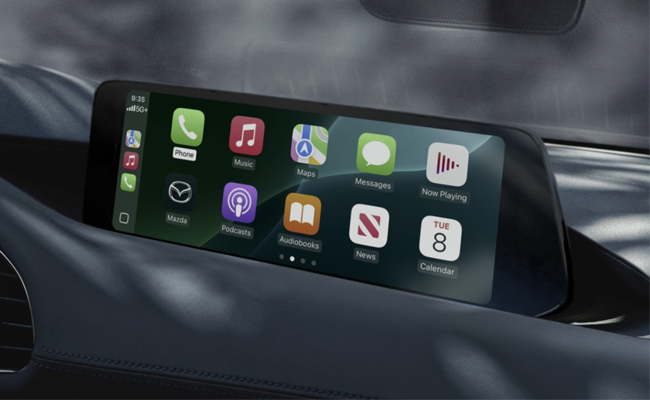
- Mazda (Mazda 3): Mazda remains committed to the Rotary Controller. The screen is set far back on the dashboard so you don’t have to reach for it, and you navigate menus using a tactile wheel by the gear stick. It is widely considered the safest system for use while driving.
- Honda (Civic e:HEV & Jazz): Honda has mastered “Physical Common Sense.” While the screen is modern and supports wireless Apple CarPlay, the air conditioning and volume are still controlled by high-quality physical dials. In 2026, this feels like a luxury.
4. Sporty & Stylish: CUPRA, Abarth, and Peugeot
For those who want their tech to look as fast as their car feels, these brands focus on “Digital Cockpits.”
- CUPRA (Born & Leon): CUPRA leans into dramatic, copper-themed graphics. The 2026 updates have significantly improved the screen wake-up speeds, fixing the “lag” issues found in earlier models.
- Abarth (500e): The Abarth 500e features a 10.25-inch Uconnect system with a dedicated “Performance” tab, showing real-time torque and G-force. It even manages an “Abarth Sound Generator” through the infotainment to mimic a petrol engine’s roar.
- Peugeot (208 & 308): The i-Cockpit remains unique. You look over the steering wheel at a 3D holographic cluster. It’s futuristic, though you should ensure the steering wheel doesn’t block your view during a test drive.
5. Value Meets Tech: MG, Vauxhall, and Dacia
For those watching the monthly budget, “cheap” no longer means “basic.”
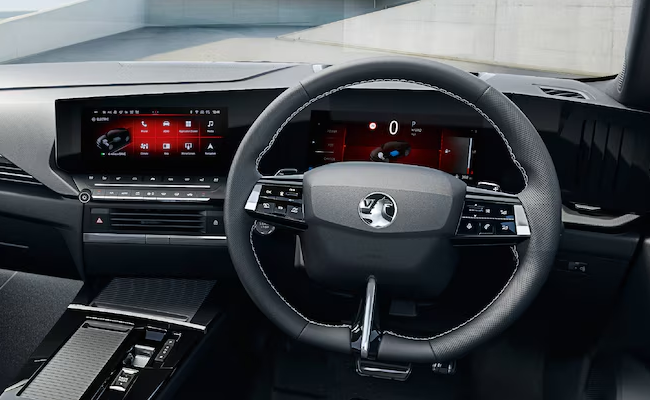
- Vauxhall (Corsa & Astra): Vauxhall’s “Pure Panel” design is all about “digital detox.” It’s straightforward, high-contrast, and now includes ChatGPT integration (subscriptions apply) for natural voice commands.
- MG (MG3 Hybrid+): The new MG3 is a 2026 bestseller. Even the entry-level trims come with a 10.25-inch floating screen and a 7-inch digital driver display.
- Dacia (Sandero): Dacia continues its brilliant “Bring Your Own Device” philosophy. On entry-level models, your smartphone is the screen, clipping into a dedicated dock and connecting to the car’s steering wheel buttons. There are also upgrades to the steering wheel buttons that allow control of third-party apps like Waze and YouTube Music.
What to Look for When Buying in 2026
Display Quality
- Aim for at least a 10-inch screen in 2026 if you rely on built-in features — but placement and visibility in daylight matter more than size alone.
Responsiveness & Lag
- Slow, laggy menus are still a top complaint. Try menus during a test drive — scroll pages and open apps.
Smartphone Integration
- Wireless Apple CarPlay / Android Auto is now common but not guaranteed on base trims. Where it’s optional, consider whether the cost is worth it.
Physical Controls
- Physical shortcuts for volume and climate remain a huge plus for safety — a touchscreen only can be distracting.
Voice Control
- Useful when done well, less so when commands are misunderstood. Test with your own voice.
Built-In Navigation
- If you often travel outside cellular coverage, built-in nav with offline maps is worth prioritising.
Connectivity & Updates
- OTA updates can keep your system fresh — check whether your chosen model supports them in 2026. Also, be sure to query if there are subscription fees – ask what remains free after the first year.
Final Takeaway
No one infotainment system is perfect for every driver. In 2026, the trend is clear: ease of use, smartphone integration, and clear display design matter most. While premium features and large screens are attractive, practicality and distraction-free operation should be your top priorities.
Always take a moment in the driver’s seat to interact with the system yourself — pairing your phone, testing voice control, and navigating maps — because what feels intuitive to one driver might not suit another.
Readers’ notes: we’ve excluded our brands that don’t offer hatchbacks and focused only on those with relevant hatch models – we will cover these in our series.