
As more UK cities take steps to reduce harmful emissions, drivers are facing new rules about where and how they can travel. Clean Air Zones (CAZ), Low Emission Zones (LEZ) and Ultra Low Emission Zones (ULEZ) are now part of everyday life for many motorists — and at Stoneacre, we’re here to make sense of it all.
Whether you’re buying your next car, checking if your current vehicle is compliant, or simply want to avoid unexpected charges, this guide will walk you through everything you need to know. We’ve broken down which cities have active zones, which vehicles are exempt, and how these changes could impact you.
Our goal is simple: helping you stay on the road with confidence.
What Are Clean Air Zones (CAZ)?
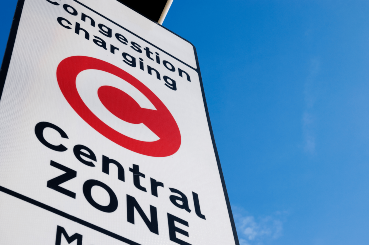
Clean Air Zones are areas where local authorities charge higher-polluting vehicles for entering. The aim is to improve air quality by encouraging the use of cleaner, more modern vehicles.
Each CAZ falls into one of four categories:
- Class A: Buses, coaches, taxis, private hire vehicles
- Class B: Includes A plus HGVs
- Class C: Includes B plus vans, minibuses
- Class D: Includes C plus cars (the strictest)
Not every CAZ charges cars — and that’s where things can get confusing. But don’t worry, we’ll break down exactly which cities do and don’t.
Clean Air Zones in the UK (2025 Update)
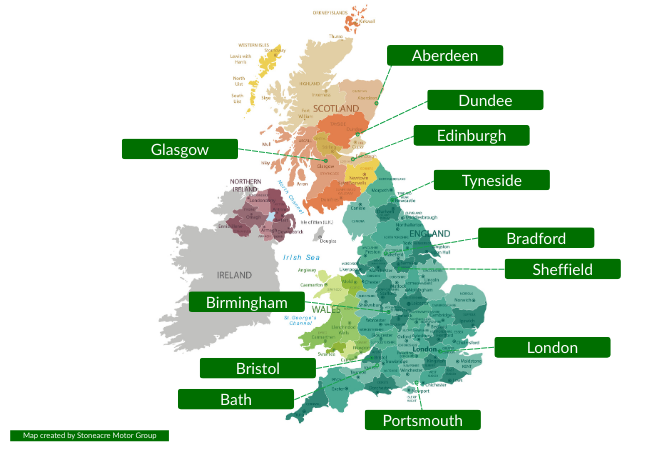
Here’s where CAZ schemes are currently operating:
Active Clean Air Zones
- Bath – Class C
- Birmingham – Class D (charges apply to cars)
- Bradford – Class C
- Bristol – Class D
- Portsmouth – Class B (no charge for private cars)
- Sheffield – Class C (cars exempt)
- Tyneside (Newcastle & Gateshead) – Class C
Greater Manchester was previously expected to launch a charging CAZ, but this has now been replaced with a non-charging clean air plan.
These zones can affect everything from commuting costs to vehicle choice, especially if you regularly travel through multiple cities.
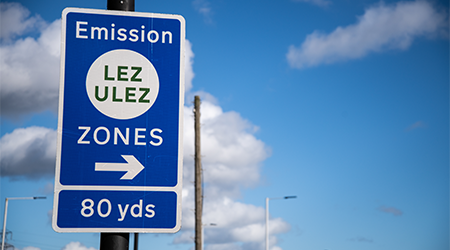
London: LEZ & ULEZ Explained
London operates the largest and most complex emissions zones in the UK, and understanding them is essential for anyone visiting or travelling across the capital.
Low Emission Zone (LEZ)
- Covers most of Greater London
- Affects mainly heavy vehicles such as lorries, buses and coaches
- Charges apply to non-compliant commercial vehicles
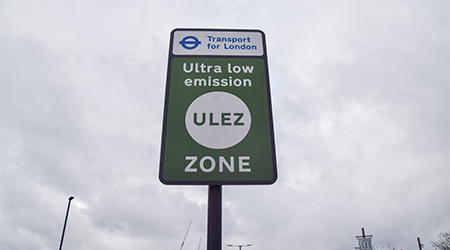
Ultra Low Emission Zone (ULEZ)
- Applies to cars, vans, motorbikes, taxis and commercial vehicles
- Expanded in 2023 to cover all London boroughs
- Daily charges apply for non-compliant vehicles
Because ULEZ now covers such a large area, owners of older petrol and diesel vehicles may find themselves needing to upgrade — which is where Stoneacre is ready to help.
Scottish Low Emission Zones (LEZ)
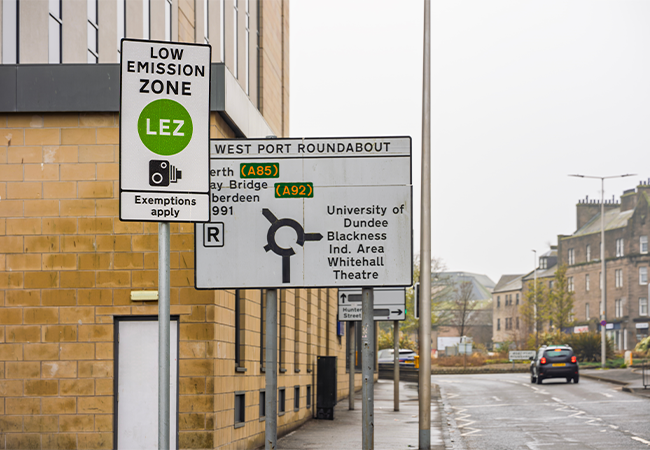
Scotland has its own LEZ network, and these work differently to England’s CAZ. Instead of charging non-compliant vehicles, Scotland simply bans them from entering.
Cities with LEZ schemes:
- Glasgow – Fully enforced
- Edinburgh – Enforcement from 2024/2025
- Dundee – Enforcement started in 2024
- Aberdeen – Enforcement started in 2024
If your vehicle doesn’t meet the required standard, you won’t be able to drive in these areas at all.
What Emission Standard Does My Vehicle Need to Meet?
The most common question we hear at Stoneacre is: “Is my vehicle compliant?”
Here’s a simple breakdown:
Petrol Vehicles
- Must be Euro 4 or newer
- Usually registered 2005/06 onwards
Diesel Vehicles
- Must be Euro 6
- Generally registered September 2015 onwards
Motorcycles
- Must be Euro 3
- Typically 2007 onwards
These standards apply across most CAZ, ULEZ and LEZ areas.
Vehicles Automatically Exempt
Some vehicles qualify for national exemptions and will not be charged regardless of the zone:
- Fully electric vehicles (EVs)
- Vehicles registered in the disabled tax class
- Historic vehicles (40+ years old)
- Agricultural or farm vehicles
- Military vehicles
- Vehicles retrofitted to an approved standard (CVRAS)
Stoneacre customers often ask whether hybrids are exempt — the answer is only if they meet the required Euro standard, just like petrol or diesel vehicles.
How Clean Air Zones Affect Drivers
These zones affect motorists in several ways:
1. Running Costs
If your vehicle isn’t compliant, daily CAZ or ULEZ charges can quickly add up — sometimes costing hundreds of pounds per month.
2. Vehicle Choice
More drivers are choosing ULEZ-compliant petrol cars, Euro 6 diesel cars, or fully electric cars. These vehicles hold their value better in 2025 and are often cheaper to run in urban areas.
3. Business & Fleet Impact
Businesses using vans or commercial vehicles may face significantly higher costs if their fleet isn’t compliant. Many firms are switching to Euro 6 vans or electric alternatives to avoid charges.
4. Resale Value
Older diesel vehicles, especially pre-Euro 6 models, have seen a decrease in demand. At Stoneacre, we help customers understand their best options, including part-exchange and upgrade deals.
How Stoneacre Can Help You Stay Compliant
At Stoneacre, we know that navigating clean air rules can feel overwhelming. That’s why our friendly teams across the UK are here to support you every step of the way.
We can help you:
- Check if your current vehicle is CAZ or ULEZ compliant
- Find affordable ULEZ-friendly petrol or diesel cars
- Discover electric and hybrid options
- Use part-exchange to upgrade older vehicles
- Choose the best car for city driving
- Find business-friendly solutions for commercial fleets
Whether you’re upgrading for cost savings, environmental reasons or new travel needs, our expert advice makes the process simple and stress-free.
Final Thoughts
Clean Air Zones, LEZ and ULEZ aren’t going anywhere — in fact, they’re shaping the future of UK driving. While the rules may feel complicated at first, understanding them helps you make smarter, more cost-effective decisions.
At Stoneacre, our friendly teams are here to help you stay compliant, save money and enjoy a better driving experience in 2025 and beyond.
FAQs: Clean Air Zones, LEZ & ULEZ
1. What is a Clean Air Zone (CAZ)?
A Clean Air Zone is an area where higher-polluting vehicles may be charged for entering. The aim is to improve air quality by encouraging cleaner, lower-emission vehicles.
2. Which cities in the UK have a Clean Air Zone in 2025?
The following cities currently operate a charging CAZ:
Bath, Birmingham, Bradford, Bristol, Portsmouth, Sheffield, and Tyneside (Newcastle & Gateshead).
London and several Scottish cities also have LEZ or ULEZ schemes.
3. Does ULEZ apply to cars?
Yes. In London, the ULEZ applies to cars, vans, motorbikes, taxis, and light commercial vehicles. Non-compliant vehicles must pay a daily charge.
4. How do I know if my vehicle is ULEZ or CAZ compliant?
You can check using your vehicle’s emission standard:
- Petrol: Euro 4 or newer (approx. 2005/06 onwards)
- Diesel: Euro 6 (approx. 2015 onwards)
You can also use the government’s registration checker or ask a Stoneacre advisor — we’re happy to check for you.
5. What happens if my vehicle is not compliant?
Non-compliant vehicles may face daily charges when driving in CAZ, LEZ or ULEZ areas. In Scotland’s LEZs, non-compliant vehicles may be prohibited entirely.
6. Are electric vehicles exempt from CAZ and ULEZ charges?
Yes! Fully electric vehicles (EVs) are automatically exempt, making them a popular choice for drivers who regularly travel in restricted areas.
7. Are hybrid cars exempt from ULEZ?
Hybrids are not automatically exempt — they must meet the same Euro emissions standards as petrol or diesel cars. Many modern hybrids do qualify.
8. What is the difference between a CAZ, LEZ and ULEZ?
- CAZ – Charge applies to non-compliant vehicles (varies by class).
- LEZ – Typically affects heavier vehicles like HGVs, buses and coaches.
- ULEZ – Applies to most vehicles, including cars and vans; has strict standards.
9. Will Greater Manchester have a Clean Air Zone?
No. The proposed charging CAZ has been cancelled. The region is now following a non-charging clean air plan.
10. Should I upgrade my car because of ULEZ or CAZ?
If you regularly travel into affected cities, upgrading to a compliant petrol, diesel or electric vehicle can save you money. Stoneacre can help you explore your options and make the right choice.