
If you’ve recently found yourself asking, “Why is my car vibrating?”, “Why is my steering wheel shaking?” or “Why is my car juddering, jerking and stuttering?”, you’re not alone. Car shaking can happen for many reasons—sometimes minor, sometimes serious—and understanding the cause is essential for keeping your vehicle safe and comfortable to drive.
Whether your car vibrates while driving, shakes at high speed, judders when accelerating, or trembles when idling, this guide explains the most common causes and what to do next.
1. Wheel Alignment Problems
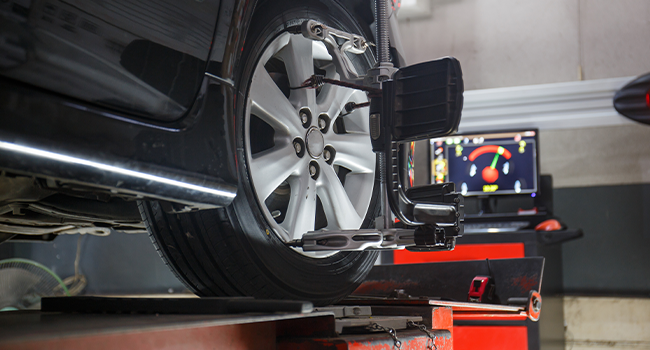
Poor wheel alignment is one of the most common answers to “Why is my steering wheel shaking?”. When wheels fall out of alignment, tyres no longer meet the road evenly.
This uneven contact often causes the steering wheel to shake, particularly at higher speeds, and can lead to uneven tyre wear and reduced fuel efficiency. If your car feels like it’s pulling to one side or the steering wheel vibrates while driving, alignment is a strong suspect.
2. Worn Suspension Components and Ball Joints
Worn suspension parts—especially ball joints—can cause your car to vibrate while driving, especially on rough roads or when turning. When these components wear down, your car may feel unstable or unsettled over bumps, and vibrations may travel through the chassis or steering wheel.
Suspension issues affect handling, comfort, and safety, so diagnosing them early is essential.
3. Engine Misfires and Spark Plug Issues
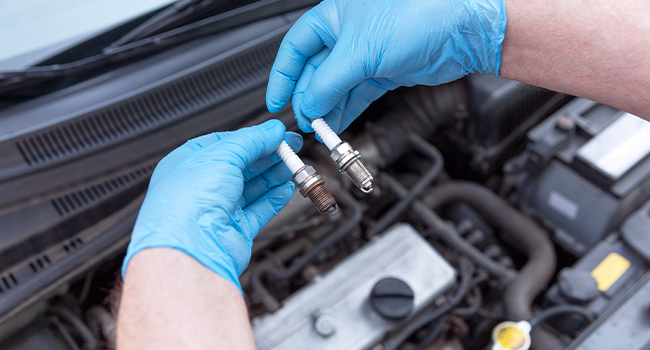
If your car vibrates when idle or you’ve noticed your car shaking when idle, faulty spark plugs are a likely cause.
When spark plugs are worn or damaged, the engine may misfire, which creates a shaking or stuttering sensation. Drivers often describe this as the car “juddering” or “jerking”—especially during acceleration.
Misfires also reduce fuel efficiency and can lead to further engine problems if left unresolved.
4. Brake System Problems
A car vibrates when braking for a different reason—almost always the brake system. Warped brake discs are the most common culprit and can cause shaking through the brake pedal or even through the steering wheel.
If your car shakes when braking, it’s important to have it checked as braking performance may be affected. Uneven brake pad wear or sticking calipers can also contribute to brake-related vibrations.
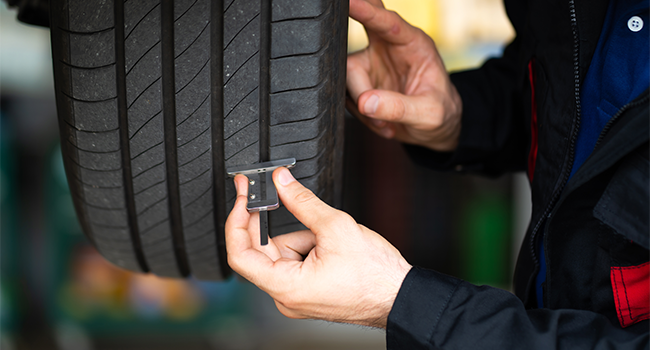
5. Tyre Wear and Wheel Imbalance
Tyres are a major source of vibration. Uneven tyre wear, low tyre pressure, or wheel imbalance can all cause your car to vibrate at high speed.
When wheels aren’t balanced, the shaking usually becomes more noticeable the faster you drive. You might also feel vibration through the steering wheel or hear unusual road noise.
Maintaining tyres properly can often eliminate these vibrations completely.
6. Engine Mount Wear
If your car shakes when idle but becomes smoother as you accelerate, worn engine mounts may be to blame. Engine mounts secure the engine to the frame of the car and absorb vibrations.
Over time, they can weaken, allowing excessive engine movement that results in noticeable shaking, especially at a standstill. This issue is particularly common in older vehicles or those driven regularly in heavy traffic.
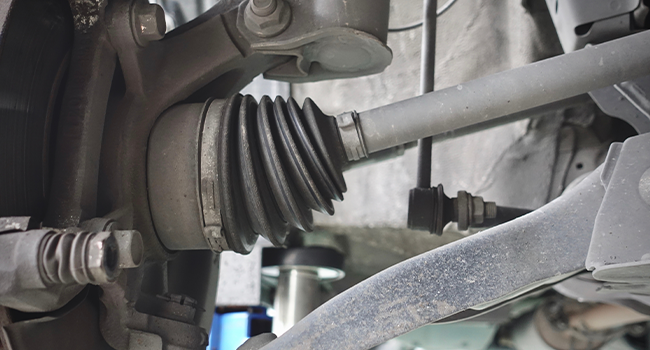
7. Driveshaft or CV Joint Issues
A damaged driveshaft or worn CV joint can cause intense shaking, especially during acceleration. If your car vibrates when accelerating, or if you hear clicking noises when turning, the cause may lie in these drivetrain components.
While less common than other issues, problems here can become serious quickly and should be checked as soon as symptoms appear.
8. Fuel or Air System Problems
Restricted fuel or airflow can cause the engine to run unevenly, resulting in vibration, hesitation, or stuttering.
Dirty fuel injectors, clogged air filters, or a weak fuel pump may lead to your car juddering, jerking and stuttering, particularly when accelerating or climbing hills. Regular servicing helps prevent these issues by keeping filters and injectors clean.
When Should You Be Concerned About Car Vibrations?
Any form of vibration—whether it’s car vibration at high speed, car vibrating when braking, car vibrating when accelerating, car vibrating when idle, or simply your car vibrates while driving—is a sign that something isn’t functioning correctly. The sooner the issue is diagnosed, the less likely it is to lead to costly repairs or safety risks.
Solve Car Shaking with Stoneacre Servicing
If you’re still wondering, “Why is my car vibrating?” or “Why is my steering wheel shaking?”, Stoneacre’s expert technicians can help. Whether the problem relates to wheel alignment, spark plugs, ball joints, brakes, tyres, or suspension, Stoneacre offers professional diagnosis and repairs across the UK.
With specialist equipment, genuine replacement parts, and expert knowledge, Stoneacre Servicing ensures your vehicle stays smooth, safe, and reliable.
Let Stoneacre take the shake out of your drive—so you can get back on the road with confidence.