
As a New Year begins, many of us focus on building better habits — eating well, saving money, and looking after what matters most. But how often do we apply that same thinking to our car?
In the UK, we put our vehicles through a lot—from salt-caked motorways in January to stop-start traffic in the summer heat. But if you want your car to sail past the 150,000-mile mark and stay reliable for a decade or more, it’s all about moving from “fixing what breaks” to a mindset of prevention.
With the right driving habits and preventative maintenance, modern vehicles can easily last 15–20 years. Here’s our comprehensive, easy-to-follow guide on how to make your car last longer, perfect for starting the year the right way.
1. Develop Mechanical Sympathy for Your Car
One of the most effective ways to extend your car’s lifespan is changing how you drive — especially in the first 10 minutes of every journey.
Warm Up Your Engine Gently
When an engine is cold, its metal components expand at different speeds. Driving aggressively before the engine warms up causes unnecessary wear.
Best practice:
- Keep revs low until the engine reaches operating temperature
- Avoid heavy acceleration when cold
This habit helps prevent internal engine damage and costly repairs such as head gasket failure.
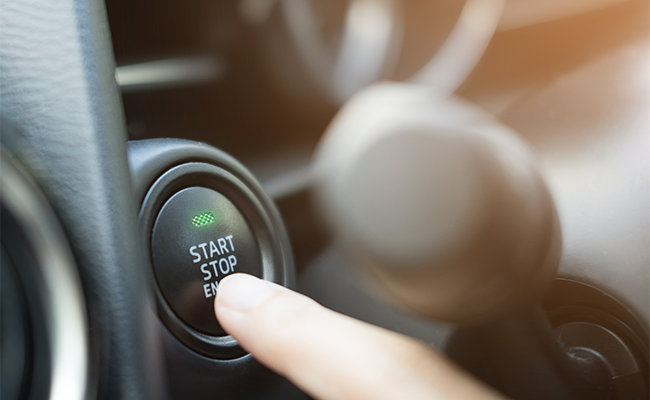
Protect Your Turbocharger and Navigate Stop/Start Tech
Most modern UK cars are turbocharged to balance power with fuel efficiency. Turbos operate at incredibly high speeds and temperatures.
- The Cooling Period: After a motorway run or a spirited drive, let the engine idle for about 30 seconds before switching off. This keeps oil circulating to cool the turbo bearings, preventing “oil coking” (where oil bakes into a gritty carbon crust).
- The Stop/Start Factor: Many cars now feature “Stop/Start” technology that shuts off the engine at traffic lights. If you’ve just come off a high-speed road into stationary traffic, consider temporarily disabling this feature for a minute or two to allow the engine—and the turbo—to stabilise its temperature.
2. Maintain Essential Car Fluids Regularly
Fluids are the lifeblood of your vehicle. While dashboard service reminders are useful, they’re often designed around minimum ownership periods rather than long-term reliability.
Change Engine Oil More Frequently
Manufacturers may recommend oil changes every 18,000 miles using “Longlife” oil — but this isn’t ideal if you want your car to last.
Recommended habit:
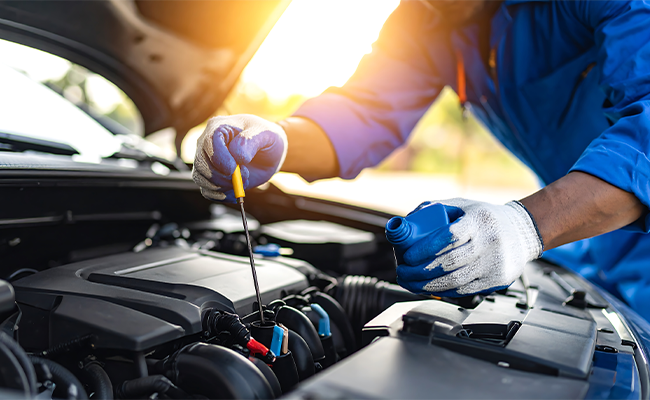
- Change engine oil and filter every 7,000–10,000 miles or once a year
Fresh oil reduces engine wear and is one of the cheapest ways to improve vehicle longevity.
Don’t Ignore Brake Fluid and Coolant
Brake fluid absorbs moisture over time, which can corrode brake components internally.
Maintenance tip:
- Replace brake fluid every 2 years
- Keep coolant topped up and replaced at manufacturer-recommended intervals
These fluids are essential for both safety and long-term reliability.
3. Protect Your Car from the UK Climate
The UK’s damp conditions and winter road salt are a major cause of premature vehicle corrosion.
Consider Professional Undersealing
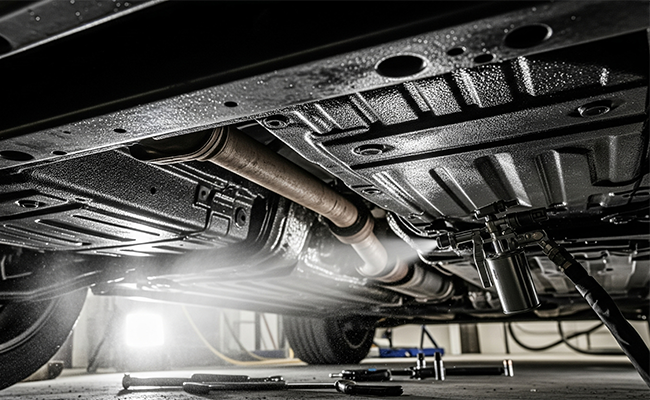
If you plan to keep your car for many years, an anti-corrosion treatment such as Lanoguard or Dinitrol can be a smart investment.
Why it matters:
Helps prevent MOT failures due to corrosion
Protects the chassis from rust
Clear Drainage Holes Annually
Cars have small drainage holes in doors, sills and sunroof channels to allow water to escape.
Simple habit:
- Check and clear drain holes once a year using compressed air or a thin wire
Blocked drains trap moisture and cause rust from the inside out.
4. Drive in a Way That Reduces Wear and Tear
Your driving style has a direct impact on how long your car lasts.
Avoid Excessive Short Trips
In the UK, the average commute is shrinking, but frequent journeys under three miles are classified as “severe driving conditions.”
On short trips, the engine doesn’t stay hot long enough to evaporate the water vapour that builds up in the oil and exhaust. This leads to “sludge” in the engine and premature rust in the exhaust system.
If you drive a modern diesel, short trips are your biggest enemy. The Diesel Particulate Filter (DPF) traps soot and needs a long, hot run to “regenerate” and burn that soot off.
What to do:
- Aim for at least one 30+ minute motorway drive per week
This allows the engine to fully warm up, evaporating moisture from oil and exhaust components.

Use Engine Braking on Descents
Riding the brakes on long hills causes excessive heat build-up.
Better habit:
- Downshift and let the engine help slow the car
This reduces brake wear and helps prevent warped brake discs.
5. Follow a Preventative Maintenance Strategy
Fixing small problems early is far cheaper than waiting for parts to fail.
Address Minor Noises Immediately
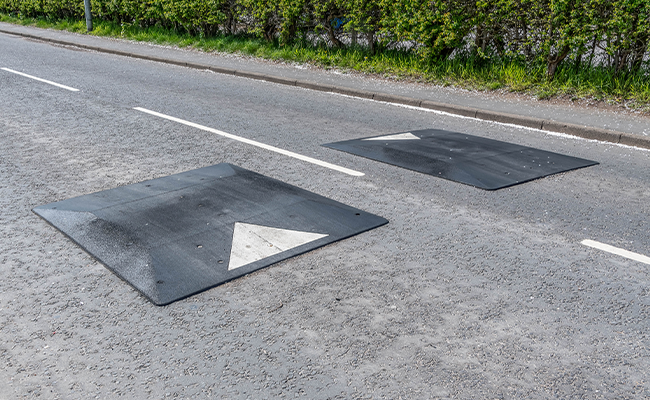
A small knock or clunk over speed bumps often indicates worn suspension bushings.
Why it matters:
- Ignoring them can damage steering racks, CV joints and tyres
- Worn bushings are inexpensive
Keep a Full Service History
A complete service history isn’t just for resale value.
Good practice:
- Keep a folder of invoices and service records
This helps identify recurring issues, such as frequent battery failures that may indicate an electrical drain.
6. Look After Tyres and Wheel Alignment
Tyres play a major role in ride comfort, handling and suspension health.
Rotate Tyres Regularly
Front tyres wear faster on most front-wheel-drive cars.
Best habit:
- Rotate tyres every 5,000 miles
This ensures even wear and extends tyre life.
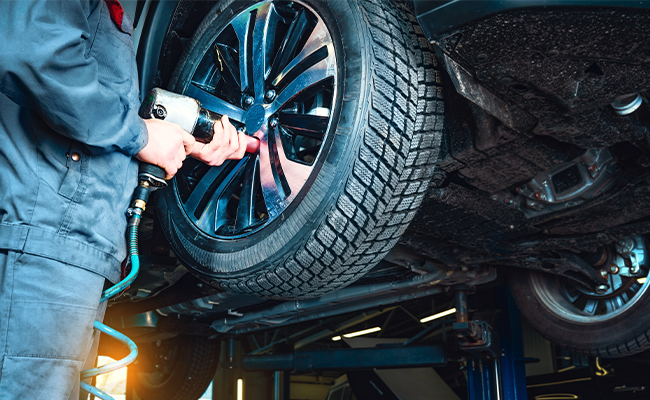
Choose Quality Tyres
Budget tyres often use harder rubber compounds that transmit more vibration into the car.
Long-term benefit:
- Premium or mid-range tyres reduce stress on suspension and wheel bearings
- Improved comfort, grip and safety
New Year, New Habits for Long-Lasting Cars
By adopting these simple car maintenance habits, you move away from constantly fixing problems and towards preventing wear before it starts.
That’s the most effective way to keep your car reliable, safe and economical for the long term — especially on UK roads.
Make this the year you invest in smarter car care. Your future self (and your wallet) will thank you.