
Car modifications are a brilliant way to make your motor uniquely yours, whether you’re after better performance, a sleeker look, or just want to stand out from the crowd.
But before you start tinkering under the bonnet or adding those flashy alloys, it’s crucial to understand what’s legal, what isn’t, and how your changes might affect your insurance premiums.
In this comprehensive guide, we’ll walk you through everything you need to know about modifying your car in the UK, from cosmetic tweaks to performance upgrades, and answer all those burning questions about legality and insurance implications.
What Are Car Modifications?
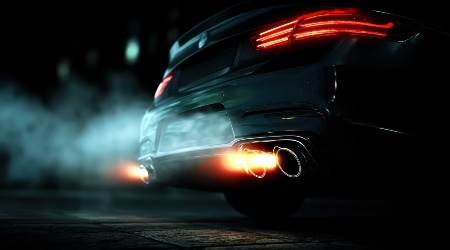
A car modification is any change made to your vehicle that wasn’t there when it rolled off the production line.
This includes everything from a new exhaust system to a set of seat covers – yes, even something as simple as seat covers counts as a modification!
Whether you’ve made the changes yourself or bought a car that’s already been modified, these alterations can have significant implications for both legality and insurance.
Types of Car Modifications
Cosmetic Modifications
Cosmetic mods are all about looks. They’re designed to make your car more visually appealing without necessarily changing how it performs. Here are some popular cosmetic modifications:
Body Modifications:
- Body kits and spoilers
- Custom paint jobs and vinyl wraps
- Bonnet vents and side skirts
- Chrome or carbon fibre trim
- Custom grilles
Interior Modifications:
- Custom seat covers or reupholstery
- Steering wheel covers
- Dashboard modifications
- Custom floor mats
- Interior LED lighting
Wheels and Tyres:
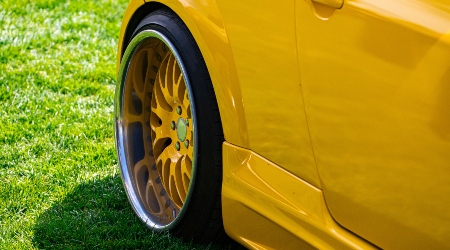
- Alloy wheels (different sizes or styles)
- Low-profile tyres
- Coloured or chrome wheel finishes
External Lighting:
- Upgraded headlights or taillights
- LED light strips (where legal)
- Tinted windows
Performance Modifications
Performance mods are designed to enhance your car’s capabilities. Whether that’s more power, better handling, or improved braking. Common performance modifications include:
Engine Modifications:
- Cold air intake systems
- Performance exhaust systems
- ECU remapping/chip tuning
- Turbochargers or superchargers
- Performance air filters
Suspension and Handling:
- Lowered suspension
- Performance springs and shocks
- Anti-roll bars
- Strut braces
- Coilover systems
Braking Systems:
- Upgraded brake discs and pads
- Performance brake lines
- Big brake kits
Drivetrain:
- Limited slip differentials
- Performance clutches
- Short-shift kits
What’s Legal and What Isn’t?
Understanding UK car modification laws can be a bit of a minefield, but getting it wrong could land you with fines, penalty points, or even make your insurance invalid. Here’s what you need to know:
Legal Vehicle Modifications
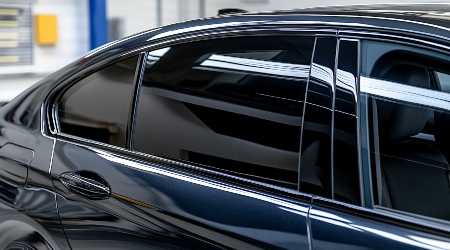
Car Window Tinting: Front side windows must allow 70% light through (75% for windscreen). Vehicles registered before April 1985 need 70% for both the windscreen and front sides. Rear windows can be tinted to any darkness.
Exhaust Systems: Performance exhausts are legal as long as they don’t exceed noise limits. In the UK, modifications to the exhaust system must not increase noise levels beyond legal limits.
Low Suspension Modifications: Lowering your car is legal, but you must ensure it doesn’t affect safety or roadworthiness. The car must still pass its MOT.
Wheels and Tyres: You can change wheel sizes, but they must be appropriate for your vehicle and maintain the correct load and speed ratings.
Car Body Kits: Most body modifications are legal provided they have no sharp edges and don’t compromise safety systems.
Illegal Vehicle Modifications
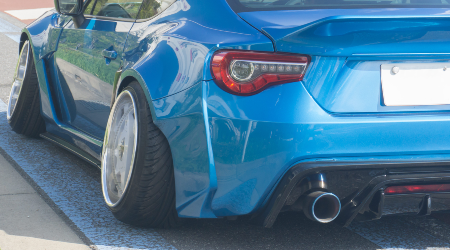
Lighting: In the UK, white and yellow lights are allowed at the front, while red lights are allowed at the back of the car. Using red, green, or purple tints for your headlights, or any flashing or bright car neon lights on the exterior or interior of the car, is sure to get you pulled over.
Extremely Dark Tints: Any tint that reduces light transmission below the legal limits is illegal and will result in an MOT failure.
Loud Exhausts: Exhausts that exceed legal noise limits can result in fines and your car being taken off the road.
Unsafe Modifications: Any modification that affects the structural integrity or safety systems of your vehicle is illegal.
DVLA Requirements and Documentation
When making significant modifications to your car, you may need to inform the DVLA. According to the DVLA guidance, vehicles that have been structurally modified may need to be re-registered and tested to ensure they meet safety and environmental standards.
Major modifications that usually require notification to the DVLA include:
• Engine swaps
• Significant body modifications
• Chassis alterations
• Fuel system changes
The DVLA will assess whether your modified vehicle needs a new registration document, and in some cases, it may need to undergo additional testing to ensure it meets current safety and emissions standards.
How Modifications Affect Your Car Insurance
This is where things get really important – and potentially expensive. Any modification will almost certainly affect your insurance, and various car mods will tend to raise your premium. Here’s why:
Why Insurance Premiums Increase
Increased Value: Some modifications add value to your car, so insurers may charge more to reflect this. For example, upgraded brake discs are expensive to repair or replace, potentially increasing claim costs.
Higher Risk: Modified cars are often seen as higher risk for theft, and performance modifications can increase the likelihood of accidents in the eyes of insurers. There’s also the unfortunate stereotype that modified cars are associated with ‘boy racer’ behaviour.
Repair Costs: Specialist parts and labour for modified vehicles typically cost more than standard repairs.
The Importance of Declaring Car Modifications
Here’s a sobering statistic: Recent industry analysis reveals a startling trend. Over a quarter of UK drivers with modified vehicles have not declared these changes to their insurer. This oversight, whether intentional or not, means they are effectively driving without valid insurance.
Anything that was not originally in the vehicle when manufactured is a modification and must be disclosed to your insurer. This includes any changes that were made by a previous owner.
Failing to declare modifications could:
• Invalidate your insurance policy
• Leave you personally liable for damages
• Result in prosecution for driving without insurance
• Prevent you from claiming repairs to your own vehicle
Car Modifications – FAQs
Do I need to declare minor modifications?
Yes, you should declare all modifications, no matter how small. What might seem minor to you could be significant to your insurer. It’s always better to be safe than sorry.
Can I modify a car I’m still paying finance on?
You cannot modify a car you have bought on finance unless you have a written agreement or permission from the finance provider. If you get permission from your finance provider, you must only modify it within the terms of the agreement. Always check your finance agreement first.
Will my MOT be affected?
Yes, modifications can affect your MOT. Any changes that impact safety, emissions, or roadworthiness must still meet MOT standards. Some modifications might require additional testing or certification.
What if I buy a car that’s already modified?
You’re still responsible for ensuring all modifications are legal and declared to your insurer. Get documentation of all modifications and have them checked by a qualified mechanic if you’re unsure about their legality or safety.
Can I get specialist insurance for modified cars?
Absolutely! Many insurers specialise in modified car insurance and understand the market better than mainstream providers. They might offer better value and more appropriate cover for your specific modifications.
Are there modifications that don’t affect insurance?
While most modifications will have some impact on your premium, some minor cosmetic changes might have minimal effect. However, you should still declare them. You’re legally allowed to hang items like air fresheners and fuzzy dice from your mirror, as long as this doesn’t block your view.
Are car number plate changes classed as car modifications?
Whilst private number plates are not classed as a vehicle modification, alterations to the standard spacing, size, or font of the characters, or adding illegal effects like 4D effects, are illegal modifications and can lead to a fine. Plates with a reflective coating that alter their appearance or legibility from the original specification are also considered a modification.
Top Tips for Modifying Your Car Safely and Legally
- Research First: Before making any modifications, research the legal requirements and potential insurance implications.
- Use Reputable Suppliers: Only buy parts from reputable manufacturers and have them fitted by qualified professionals.
- Keep Documentation: Maintain records of all modifications, including receipts, certificates, and installation details.
- Check MOT Requirements: Ensure any modifications won’t prevent your car from passing its MOT.
- Speak to Your Insurer: Contact your insurance provider before making modifications to understand how they’ll affect your premium.
- Stay Within Legal Limits: Never compromise on safety or legality for the sake of style or performance.
Key Takeaways
Modifying your car can be brilliant fun and a great way to make your motor truly yours. The key is doing it properly: understanding what’s legal, using reputable suppliers, keeping good records, and being upfront with your insurer.
Yes, mods will likely bump up your insurance costs, but it’s far better than the alternative of driving uninsured. By following the rules and staying within legal limits, you can enjoy your modified car with complete peace of mind.
For the most up-to-date information on car modification laws and requirements, always consult the DVLA guidelines and speak with qualified professionals before making any significant modifications to your vehicle. This information was correct at the time of writing.