
Spring bursts forth with vibrant blooms and sunshine, but for allergy sufferers, it can also usher in a season of sniffles, itchy eyes, and a constant battle with pollen. And let’s face it, being stuck in a car filled with allergens isn’t exactly how you want to spend those beautiful spring days.
Fear not, fellow allergy warriors! With a few simple car care tweaks, you can transform your vehicle into a pollen-free sanctuary.
Here’s how to minimise allergens in your car and ensure a sneeze-free ride all spring long.
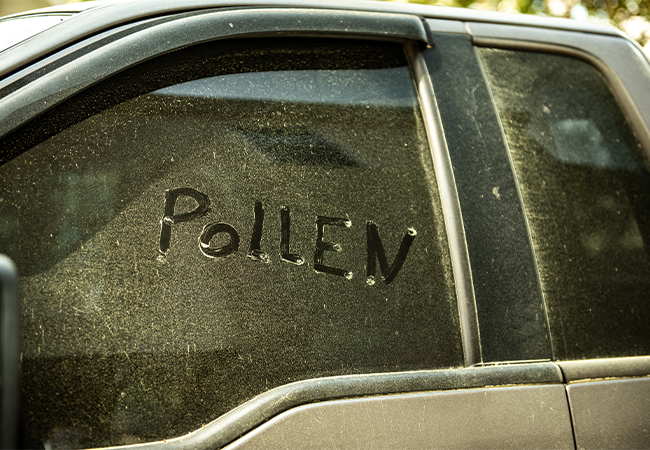
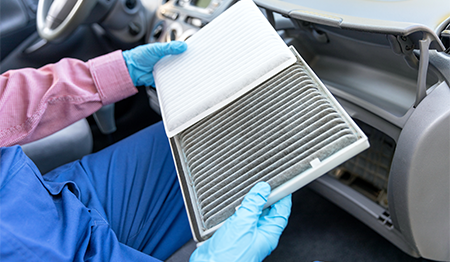
Cabin Air Filter: Your First Line of Defence
In 2026, the standard paper filter is a thing of the past. Your cabin air filter (often called the pollen filter) is now a high-tech component designed to neutralise threats, not just catch them.
- Upgrade to Biofunctional Filtration: Don’t settle for a basic filter. Look for Biofunctional (FreciousPlus style) filters. These feature a third polyphenol layer—a natural substance derived from plants that actively deactivates allergens and prevents mould or bacteria from growing on the filter surface itself.
- PM2.5 & Activated Carbon: Ensure your filter is rated for PM2.5, which captures the microscopic fine dust and exhaust particles that typical spring winds kick up. An activated carbon layer is also essential for neutralising the nitrogen oxides and traffic odours common on UK motorways.
- The “Pre-Pollen” Swap: While the 12,000-mile rule still stands, allergy specialists now recommend a “Spring Service” approach. Replace your filter in late February or early March, so you start the season with a fresh, unclogged barrier before the first high-pollen counts hit.
Cleaning the Air Vents: Banishing Built-Up Allergens
Dusting your vents with a cloth can actually push allergens deeper into the HVAC (Heating, Ventilation, and Air Conditioning) system. Use this professional “dry-first” approach:
Sanitising Foam:
If you notice a “musty” smell when you turn on the air con, use an automotive HVAC disinfectant foam. These are sprayed into the intake and expand to kill mould spores and allergens living on the evaporator coils deep behind your dashboard.
The Vacuum-Brush Combo:
Instead of just blasting air, use a soft-bristled detailing brush in one hand and a vacuum nozzle in the other. As you agitate the dust on the vent slats, the vacuum sucks it out of the car immediately, so it doesn’t settle on your upholstery.
Precision Blast:
Use short, controlled bursts of compressed air only for the deep crevices you can’t reach. Avoid long sprays, which can cause moisture (condensation) to form inside the dark vents—a prime breeding ground for mould.

Upholstery Choices: Fabrics that Fight Back
The materials inside your car dictate how many “hitchhiking” allergens stay there.
- Dry Steam Cleaning: For fabric interiors, avoid “wet” valeting, which leaves seats damp. Use dry steam (vapour) cleaning. The high heat kills dust mites and releases trapped pollen without soaking the material, allowing you to drive away in a dry, sanitised cabin almost immediately.
- TPE Floor Mats (The 2026 Standard): Replace traditional carpet mats with Thermoplastic Elastomer (TPE) custom-fit liners. Unlike carpet, TPE does not trap pollen or pet dander, and it can be wiped or hosed clean in seconds.
- Leather vs. Technical Fabrics: While leather remains the easiest to wipe down, 2026 has seen the rise of “Vegan Leather” and tightly woven recycled technical fabrics that are laser-sealed to prevent particles from sinking into the foam.
Bonus Tips for Allergy Sufferers on the Go:
Utilise “Pre-Conditioning”:
If you have an EV or a connected car, use the mobile app to start the climate control 5–10 minutes before you leave. This allows the high-grade filters to “scrub” the cabin air while the doors remain closed.
The “Cabin Purge” Manoeuvre:
If you’ve been parked with the windows down or doors open, drive for 30 seconds with all windows down to “flush” the old air. Then, seal the car and engage Recirculation Mode to let your biofunctional filter maintain a purified environment.
Live Air Quality Monitoring:
Many infotainment systems now have a built-in AQI (Air Quality Index) sensor. Keep this on your dashboard display; if the outdoor particulate count spikes, the car can automatically close the external vents for you.
By following these tips, you can transform your car into a pollen-free haven and ensure a comfortable, allergy-free journey throughout the spring season. Remember, a little car care goes a long way in keeping those sniffles and sneezes at bay!