
The fuel warning light is a feature every driver will encounter at some stage. Designed to provide an early alert when fuel levels are running low, it plays an important role in preventing breakdowns and helping drivers manage their journeys more effectively.
In this blog, we’ll explain exactly what the fuel light means, how it works, and what you should do when it comes on, so you’ll feel more confident the next time it appears.
What does the fuel warning light look like?
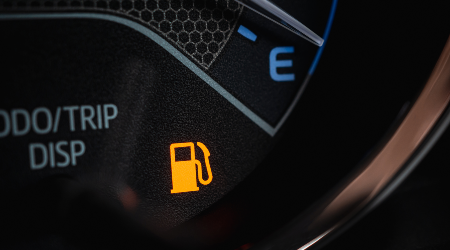
The fuel warning light usually appears as a small amber icon shaped like a petrol pump.
In some vehicles, it may include an arrow pointing left or right to indicate which side of the car the fuel filler cap is located on.
While the design can vary slightly between manufacturers, the overall meaning remains the same: your fuel level is low, and it’s time to refuel.
Where is the fuel warning light?
The low fuel warning light is located on the car’s dashboard display, typically near the fuel gauge. It is designed to be clearly visible to the driver without being distracting, often lighting up in amber or yellow to differentiate it from more critical red alerts.
When does the fuel warning light come on?
This depends on the make and model of your car, but in most cases, it illuminates when your tank drops to around 10–15% capacity. The system is calibrated to give you enough time to safely reach a petrol station without running the risk of the engine cutting out.
Wondering how the low fuel warning light works? It’s linked to a sensor inside your fuel tank, often called a float sensor. This sensor moves up and down with the level of fuel in the tank. When the fuel drops below a certain point, the sensor sends a signal to the car’s onboard computer, which in turn triggers the fuel light on your dashboard.
What should I do if my fuel warning light turns on?
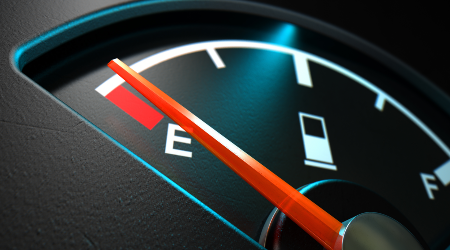
The first thing to do is stay calm. The low fuel warning light is not a sign of immediate breakdown, it’s an early reminder to refuel soon.
Find the nearest petrol station, pull in, and follow these simple steps:
- Park safely by the pump.
- Switch off your engine.
- Open your fuel filler cap (usually located on the side indicated by the arrow on your dashboard fuel gauge).
- Select the correct fuel type and begin filling.
- Once finished, replace the cap securely, close the filler door, and head inside or use the pay-at-pump option to settle your bill.
For more details on petrol stations, see our Did You Know: All About Petrol Stations blog.
My fuel warning light came on – how many miles can I go?
How much fuel is left after the warning light comes on depends on your vehicle’s fuel tank size, driving style, and road conditions.
On average, most cars will have between 5 and 10 litres remaining when the fuel warning light activates. This is usually enough for 30 to 50 miles, giving you time to find a filling station.
However, it’s always best to top up as soon as possible to avoid potential damage to the fuel pump or the inconvenience of running out altogether.
Does driving style affect how long you can go on the warning light?
Yes, your driving style has a significant impact on how far you can travel after the low fuel warning light appears.
Gentle acceleration, steady speeds, and avoiding heavy braking can extend your remaining range, whereas aggressive driving or constant stop-start journeys will reduce it.
For example, motorway journeys typically result in a stronger economy than taking on the city streets during rush hour.
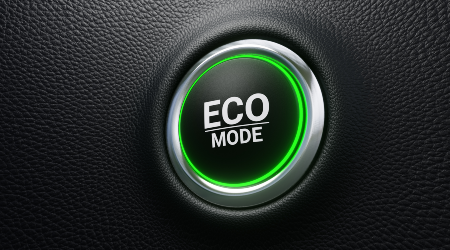
Utilising more eco-friendly driving modes can also help extend your available range when your fuel warning light activates.
Risks of ignoring the fuel warning light
It might be tempting to stretch your journey when the fuel light comes on, but repeatedly driving with very low fuel can cause long-term issues.
The fuel pump, which relies on being submerged in fuel for cooling and lubrication, can overheat and wear out more quickly if the tank is allowed to run nearly dry on a regular basis.
Additionally, debris and sediment at the bottom of the fuel tank can be drawn into the system, potentially leading to blockages and costly repairs.
Do electric cars have a low fuel warning light?
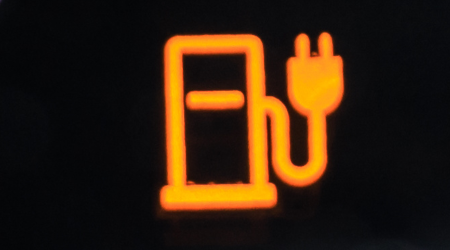
Electric cars don’t have a fuel warning light as they don’t use petrol or diesel.
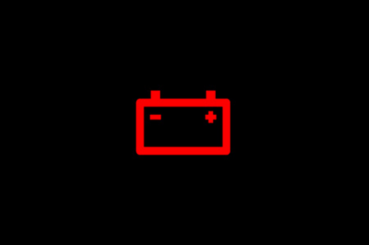
Instead, they display a low battery warning light or range indicator. The symbol often looks like a battery icon or an electric plug.
Much like a traditional car, the light will appear when the remaining range drops to a certain point, usually around 10–15% of the battery capacity.
This gives drivers enough notice to locate a charging point before the battery becomes critically low.
The fuel warning light has long been a familiar part of driving, and while electric vehicles now use a low battery warning light instead, the principle remains the same – helping drivers manage their journeys with confidence. Whichever vehicle you drive, staying alert to these signals ensures a safer and more convenient driving experience.