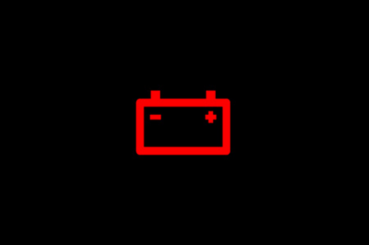

If you’ve ever spotted an unfamiliar warning light on your dashboard and wondered what on earth it means, you’re not alone! One particularly important light that many drivers aren’t familiar with is the water in fuel warning light.
Don’t panic if you see it – we’re here to explain everything you need to know about this pesky problem and how to sort it out.
What Does the Water in Fuel Warning Light Look Like?
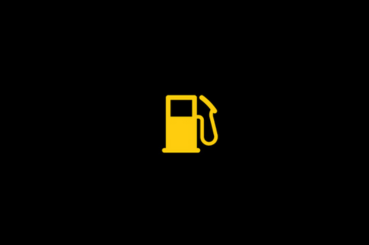
The warning light typically appears as a droplet symbol, often positioned above or next to a fuel pump icon. Some vehicles display it as a stylised water drop with wavy lines beneath it. The light is usually amber or yellow in colour, though some manufacturers use blue. You’ll find it nestled amongst the other warning lights on your dashboard cluster.
When and Why Does This Warning Light Appear?
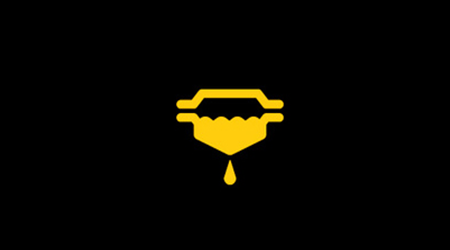
The icon light illuminates when your vehicle’s fuel sensor detects moisture in your fuel system, specifically when water mixes with fuel in concerning quantities.
This is particularly common in diesel vehicles, as diesel fuel contamination is more prone to water issues than petrol.
Your car’s fuel sensor is quite clever; it can detect when there’s enough water contamination in diesel fuel to potentially cause problems.
The light serves as an early warning sign, alerting you before serious damage occurs to your engine or fuel system components.
How Does Water Get Into My Fuel Tank?
You might be wondering, how does water get into your fuel in the first place? There are several culprits:
- Condensation is the most common cause. When there’s high humidity in the air, condensation can form inside your tank, especially if you frequently run on low fuel. The empty space provides room for warm, moist air to cool and condense.
- Poor fuel quality from contaminated fuel supplies can introduce water during the filling process. Underground storage tanks at fuel stations can develop leaks or have water seepage issues.
- Damaged fuel cap or tank can allow rainwater to enter directly. Even a slightly loose fuel cap during a downpour can let moisture creep in.
What to Look Out For
Before the warning light even appears, your car might be trying to tell you something’s amiss. Here are the telltale symptoms to watch for:
- Engine performance issues are often the first sign. Your engine might feel sluggish, hesitate during acceleration, or struggle to maintain steady power. This happens because water doesn’t burn like fuel does, disrupting the combustion process.
- Rough idling or stalling can occur when contaminated fuel reaches your engine. You might notice the engine running unevenly or cutting out unexpectedly, particularly when idling at traffic lights.
- Difficulty starting is another common symptom. Your engine might turn over longer than usual before firing up, or refuse to start altogether in severe cases.
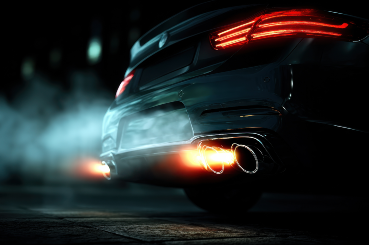
- Unusual exhaust smoke may appear, particularly white or grey smoke that seems different from normal exhaust emissions.
What Happens When Water Gets Into the Fuel?
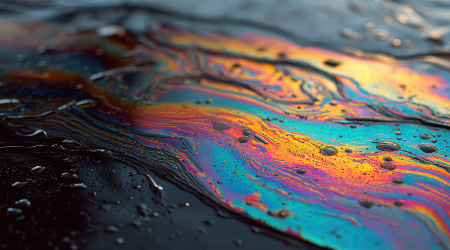
Water contamination in diesel fuel is particularly problematic because diesel engines rely on precise fuel injection timing and combustion characteristics.
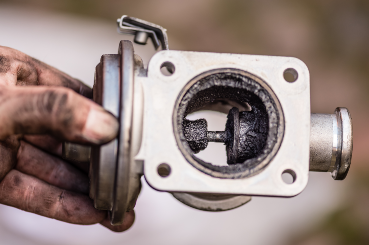
Water doesn’t compress like fuel does, which can damage your fuel injection system. It can also cause corrosion in your fuel lines, fuel filter, and other metal components.
In diesel engines, water can damage the high-pressure fuel pump and injectors – expensive components that you definitely don’t want to replace!
The contaminated fuel problems don’t stop there. Water can encourage bacterial and algae growth, creating a sludgy mess that can clog your entire fuel system.
Understanding Fuel Quality and Your Fuel System
Your vehicle’s fuel system is more complex than you might think. Modern cars, particularly diesels, have sophisticated fuel sensors and filtration systems designed to detect and manage contamination issues before they cause serious problems.
The fuel filter plays a crucial role in maintaining fuel quality. It’s not just there to catch dirt and debris; modern filters often include water separation technology. When water builds up beyond what the filter can handle, that’s when your warning light steps in to alert you.
What Should You Do When the Warning Light Appears?
Don’t panic, but do take it seriously. Here’s your action plan:
- Stop driving as soon as it’s safe to do so. Continuing to drive with significant water contamination can cause expensive engine damage.
- Check your fuel filter first. Many modern diesel vehicles have a water separator built into the fuel filter system. Some have a drain plug that allows you to remove collected water manually. Consult your owner’s manual for specific instructions.
- Consider the best treatment. For minor contamination, fuel additives designed to absorb or disperse water can help. However, these are preventative measures rather than cures for significant contamination.
- Seek professional help. If you’re not comfortable handling the issue yourself, a qualified mechanic can properly drain contaminated fuel and assess any damage to your fuel system.
Stopping The Problem Before It Starts
It is always better to sort the problem before it escalates, especially when it comes to fuel contamination. Here are some top tips to keep water out of your fuel tank:
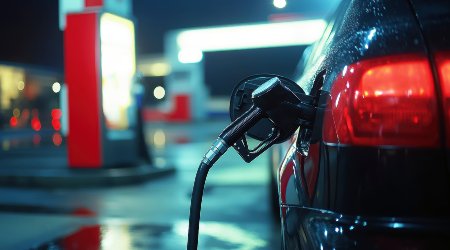
- Keep your tank fuller; aim to never let it drop below a quarter full. This reduces the empty space where condensation can form.
- Choose reputable fuel stations with high turnover. Busy stations are more likely to have fresh fuel and well-maintained underground tanks.
- Replace your fuel filter regularly according to your vehicle’s service schedule. A quality fuel filter with water separation capabilities is your first line of defence.
- Use quality fuel additives periodically, particularly those designed to prevent moisture absorption.
The Bottom Line
Discovering water in your fuel tank can be frustrating, but it’s a manageable problem when caught early. The warning light is there to protect your engine from serious damage.
Remember, what causes fuel contamination is often preventable with good habits and regular maintenance. Keep your tank reasonably full, choose quality fuel stations, and don’t ignore unusual engine symptoms.
If you’re dealing with water in the fuel tank, symptoms and solutions seem overwhelming; don’t hesitate to consult a professional. A qualified mechanic can quickly assess the situation and get you back on the road safely. After all, it’s far cheaper to address contaminated fuel problems early than to deal with expensive engine repairs later on!
Think You Have Water In Your Fuel?
If a dashboard warning light is on or you notice symptoms of water in your fuel, don’t wait.
Call our Service Team on 01405 801801 to book a diagnostic check.