
The transmission warning light on your car’s dashboard is one of those indicators that can strike fear into any driver.
When this symbol illuminates, it’s your vehicle’s way of telling you that something’s amiss with one of its most crucial systems.
Understanding what this light means, what causes it to appear, and how to respond can save you from costly repairs and potentially dangerous situations.
What Does the Transmission Warning Light Look Like?
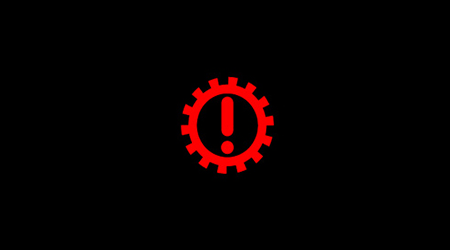
The transmission warning light typically appears as a gear or cog symbol or a thermometer-like icon on your dashboard.
In some vehicles, particularly those with automatic transmission systems, you might see a symbol or the word “AT” (for Automatic Transmission) surrounded by a warning triangle.
The colour is usually amber or red, depending on the severity of the issue your transmission system is experiencing.
Different manufacturers may use slightly different symbols, but the gear icon is the most common representation.
What Does the Transmission Light Mean?
When your transmission light comes on, it’s indicating that your vehicle’s transmission system has detected a problem that requires attention. This warning system monitors various aspects of your transmission, including:
- Temperature levels within the transmission
- Fluid flow and pressure
- Electrical components and sensors
- Overall transmission performance
The automatic transmission warning light serves as an early alert before minor issues become major, expensive problems.
Common Causes of Transmission Problems
Several factors can trigger your transmission warning light:
Low or Contaminated Transmission Fluid
The most frequent culprit behind transmission warnings is inadequate transmission fluid levels or contaminated fluid. Your transmission relies on this specialised fluid for lubrication, cooling, and hydraulic pressure. When levels drop due to a transmission fluid leak or normal wear, or when the fluid becomes dirty and loses its effectiveness, the system struggles to function properly.
Overheating
Transmission systems generate significant heat during operation. If the cooling system isn’t working effectively, or if you’re putting extra strain on the transmission (such as towing heavy loads or stop-start city driving), overheating can occur, triggering the warning light.
Electrical Faults
Modern transmissions rely heavily on electronic components, sensors, and control modules. A faulty sensor, damaged wiring, or issues with the transmission control unit can cause the warning light to illuminate even when the mechanical components are functioning correctly.
Mechanical Wear and Damage
Internal components such as clutches, bands, and valves can wear out over time, leading to poor performance and warning light activation. This is more common in higher-mileage vehicles or those that haven’t received proper maintenance.
Transmission Fluid Leaks
A transmission fluid leak not only reduces fluid levels but can also indicate seal failure or damage to transmission components. Common leak points include the transmission pan gasket, cooler lines, and various seals throughout the system.
Can I Drive with the Transmission Light On?
This is perhaps the most pressing question when faced with an illuminated transmission warning light. The answer depends on several factors, but as a general rule, it’s not advisable to continue driving normally when this light is on.
If the light is amber and your vehicle seems to be operating normally, you might be able to drive short distances at low speeds to reach a safe location or service centre. However, you should avoid:
- High-speed motorway driving
- Heavy acceleration
- Towing or carrying heavy loads
- Extended driving periods
If the light is red, or if you notice any of the following symptoms, stop driving immediately:
- Strange noises from the transmission
- Burning smells
- Difficulty shifting gears
- Slipping or jerky movements
- Complete loss of power transmission
Continuing to drive with serious transmission problems can lead to complete transmission failure, leaving you stranded and facing repair bills that could exceed the value of your vehicle.
How to Fix the Transmission Warning Light
Addressing a transmission warning light requires a systematic approach:
Immediate Steps
- Check transmission fluid levels: If you’re comfortable doing so, check the transmission fluid using the dipstick (when the engine is warm and running). Look for adequate levels and check the fluid’s colour and smell.
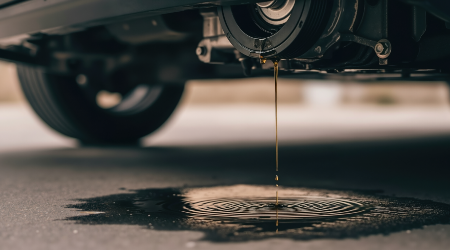
- Look for obvious leaks: Check under your vehicle for signs of red or brown fluid, which could indicate a transmission fluid leak.
- Note any symptoms: Pay attention to how the vehicle is behaving – any unusual noises, smells, or performance issues.
Professional Diagnosis
Given the complexity of modern transmission systems, professional diagnosis is usually necessary. A qualified technician will:
- Use diagnostic equipment to read error codes from the transmission control module
- Perform fluid analysis to check contamination levels
- Test electrical components and sensors
- Assess mechanical condition through various tests
Common Repairs
Depending on the diagnosis, repairs might include:
- Fluid and filter changes: Often the most straightforward and cost-effective solution
- Leak repairs: Replacing seals, gaskets, or damaged components
- Sensor replacement: Addressing faulty electrical components
- Software updates: Some issues can be resolved with updated transmission control software
- Major repairs: In severe cases, internal component replacement or complete transmission rebuild/replacement might be necessary
How to Turn Off the Transmission Warning Light
The transmission warning light will typically turn off automatically once the underlying problem is resolved. Simply disconnecting the battery or using diagnostic tools to clear codes without addressing the root cause will likely result in the light returning.
When to Seek Professional Help

While some basic checks can be performed by car owners, transmission systems are complex and require specialised knowledge and equipment for proper diagnosis and repair.
Seek professional help immediately if:
• The transmission warning light is red
• You notice burning smells or unusual noises
• The vehicle won’t move or shifts erratically
• You’re unsure about any aspect of the problem
Preventive Maintenance: Your Best Defence
Prevention is always better than cure when it comes to transmission problems. Regular maintenance can help avoid many issues that trigger the transmission warning light:
- Regular Fluid Changes: Follow your manufacturer’s recommended service intervals for transmission fluid changes. Even “lifetime” fluids benefit from periodic replacement, particularly in severe driving conditions.
- Monitor Fluid Levels: Check transmission fluid levels regularly, particularly if you notice any leaks or unusual behaviour from your vehicle.
- Address Leaks Promptly: Don’t ignore small transmission fluid leaks – they rarely get better on their own and often worsen over time.
- Gentle Driving Habits: Avoid aggressive acceleration, allow your transmission to warm up in cold weather, and don’t overload your vehicle beyond its recommended capacity.
- Professional Servicin: Have your transmission system inspected during regular services, and address any concerns promptly rather than waiting for problems to worsen.
Don’t Ignore the Transmission Warning Signs
Transmission repairs can be expensive, but ignoring warning signs often makes problems worse and more costly.
A simple fluid change might cost £100-200, whilst a complete transmission rebuild or replacement can cost several thousand pounds.
Responding appropriately can save you significant money and inconvenience. While some transmission issues are minor and easily resolved, others require immediate attention to prevent serious damage.
When in doubt, consult with a qualified technician who can properly diagnose the issue and recommend appropriate repairs.
The key is not to panic when the transmission light comes on, but to take it seriously and respond appropriately.
Need Help with Your Transmission Warning Light?
If a dashboard warning light is on or you notice signs of a transmission leak, don’t wait.
Call our Service Team on 01405 801801 to book a diagnostic check.