
Whether you’re preparing for your driving test or wondering if your current eyesight meets the legal standards, this comprehensive guide will help you understand everything you need to know about UK driving eyesight rules.
Good vision is absolutely essential for safe driving, and the UK has specific legal requirements to ensure all drivers can see clearly enough to navigate our roads safely.
Legal Eyesight Standard for Driving
The legal eyesight standard for driving in the UK is quite straightforward: you must be able to read a car number plate from 20 metres away in good daylight conditions.
This applies whether you’re wearing glasses or contact lenses or driving without visual aids.
The number plate must be in the current format (two letters, two numbers, three letters) and must be clearly legible.
This 20-metre rule has been in place since 2001 and forms the foundation of all UK driving eyesight requirements.
It’s worth noting that this is the minimum standard; having better vision is always advantageous for safe driving.
Standards of Vision for Different Licence Categories
The eyesight requirements for driving vary slightly depending on the type of vehicle you wish to drive:
Group 1 vehicles (cars, motorcycles, and light vans) require you to meet the standard number plate test and have a visual acuity of at least 6/12 on the Snellen chart when both eyes are tested together. If you need glasses or contact lenses to meet this standard, you must wear them while driving.
Group 2 vehicles (lorries and buses) have stricter requirements, including better visual acuity standards and more comprehensive eye examinations. Professional drivers need to meet higher standards due to the increased responsibility of driving larger vehicles.
Field of Vision Standards
Beyond basic visual acuity, the DVLA also considers your field of vision.
You need to have an adequate field of vision in both eyes, which means you can see properly to the sides as well as straight ahead.
This peripheral vision is crucial for spotting hazards, other vehicles, and pedestrians.
If you have any concerns about your field of vision, particularly if you’ve had eye surgery or have certain medical conditions, it’s essential to get professional advice about whether you meet the driving standards.
Driving Test Eyesight Check
The driving test eyesight check is one of the first things that happens during your practical driving test.
Your examiner will ask you to read a number plate from approximately 20 metres away before you even get in the car.
This test must be completed successfully before the rest of your driving test can proceed.
If you fail the eyesight test, your driving test will be cancelled immediately, and you’ll need to reapply and pay the full fee again.
This is why it’s so important to ensure your vision meets the legal standard well before your test date.
For more guidance on preparing for your driving test, including the eyesight requirements, make sure you’re fully prepared for all aspects of the examination.
How Far is the Eyesight Test for Driving?
The driving eyesight distance for the standard test is exactly 20 metres (approximately 67 feet).
This distance has been carefully calculated to ensure that drivers have sufficient vision to spot potential hazards, read road signs, and navigate safely in typical driving conditions.
During your practical test, the examiner will position you at the correct distance from a parked car and ask you to read the number plate aloud.
If you’re unsure about the distance, don’t worry, the examiner will ensure you’re standing in the right spot.
Online Driving Eyesight Tests
Whilst online driving eyesight tests can give you a rough idea of your visual capabilities, they cannot replace a proper eye examination or the official DVLA requirements. These online tests can be useful for:
- Getting a general sense of your vision quality
- Identifying potential issues that warrant professional attention
- Practising number plate recognition
However, remember that lighting conditions, screen quality, and measurement accuracy can all affect online test results.
For definitive assessment of your driving eyesight requirements, always consult with a qualified optometrist or your GP.
Maintaining Your Eyesight for Driving
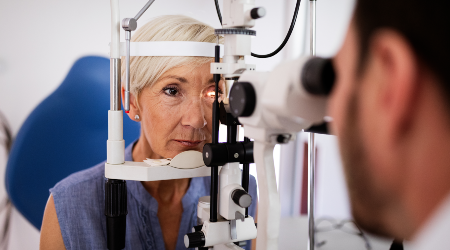
Regular eye tests are essential for maintaining your driving eyesight standard. The general recommendations are:
- Every two years for adults under 40
- Every two years for adults aged 40-54
- Every year for adults aged 55-64
- Every year for adults over 65
However, if you notice any changes in your vision or have risk factors for eye disease, you should have more frequent check-ups.
Problems with Eyesight and Driving
If you’re experiencing problems with your eyesight, it’s crucial to address them promptly. Common vision problems that can affect driving include:
Difficulty seeing at night – This can make evening and winter driving particularly challenging. If you’re struggling with night vision, check out our guide on safety tips for driving at night for practical advice.
Blurry or double vision – These symptoms can indicate serious underlying conditions and should be investigated by a medical professional immediately.
Reduced peripheral vision – This can affect your ability to spot hazards approaching from the side.
Difficulty judging distances – This is particularly important for parking, overtaking, and maintaining safe following distances.
If you notice any changes in your vision, book an eye test with a qualified optometrist as soon as possible.
Eye Conditions and Driving
Various eye conditions can affect your ability to drive safely. Some of the most common include:
Cataracts can cause blurry vision and increased sensitivity to glare, making night driving particularly difficult.
Glaucoma typically affects peripheral vision first, which can impact your ability to spot hazards from the side.
Diabetic retinopathy can cause various vision problems and is particularly relevant for drivers with diabetes. If you’re managing diabetes, our guide on driving with diabetes provides valuable information about maintaining your licence.
Macular degeneration primarily affects central vision, making it difficult to see fine details and read road signs.
The DVLA provides comprehensive guidance on eye conditions and driving, including when you need to inform them of your condition and what tests might be required.
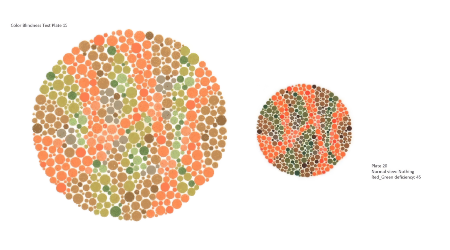
Colour Blindness and Driving
Colour blindness doesn’t automatically disqualify you from driving, but it’s important to be able to distinguish between different coloured lights and signs.
Most people with colour vision deficiency can drive safely, but you should be aware of how your condition might affect your driving and take extra care with:
- Traffic lights (remember the position as well as the colour)
- Warning lights on your dashboard
- Road signs and markings
- Brake lights and indicators on other vehicles
Medical Conditions and Your Driving Licence
Certain medical conditions can affect your eyesight and, consequently, your ability to drive.
You’re legally required to inform the DVLA if you develop any condition that could impair your driving ability. This includes:
- Sudden vision loss
- Significant changes in your field of vision
- Conditions affecting your ability to see clearly
- Any medical condition that might affect your eyesight
The DVLA will assess each case individually and may require medical reports or driving assessments.
DVLA Eye Test Chart and Professional Assessments
The DVLA eye test chart, a Snellen chart, is used in several situations, primarily when applying for a provisional driving license, when renewing a license at 70, or if referred by a medical professional due to vision concerns.
The standard Snellen chart format is where letters decrease in size from top to bottom. During a professional eye examination, you’ll be asked to read progressively smaller lines until you reach your visual limit.
For driving purposes, you need to achieve at least 6/12 vision when both eyes are tested together. This means you can see at 6 metres what someone with perfect vision can see at 12 metres.
What to Do If You Don’t Meet the Standard
If you discover that your eyesight doesn’t meet the legal requirement for driving, don’t panic. Many vision problems can be corrected with glasses or contact lenses. Here’s what you should do:
- Book an eye test immediately with a qualified optometrist
- Get the appropriate correction (glasses or contacts) if recommended
- Test yourself at the 20-metre distance with a number plate
- Inform the DVLA if you need to update your licence details
- Consider additional training if you’re adjusting to new visual aids
Keeping Your Eyes on the Road: Final Thoughts
Understanding and meeting the UK’s driving eyesight requirements is a legal obligation and a crucial safety consideration.
The minimum eyesight for driving in the UK – being able to read a number plate from 20 metres – ensures that all drivers have sufficient vision to navigate our roads safely.
Regular eye tests, prompt attention to vision changes, and honest self-assessment are all part of being a responsible driver.
If you have any doubts about your eyesight, it’s always better to get professional advice rather than risk your safety and that of other road users.
For the most up-to-date information on driving eyesight rules, always refer to the official government guidance on driving eyesight rules.
Remember, good vision isn’t just about meeting the minimum legal standard; it’s about ensuring you can drive safely and confidently in all conditions.
Stay safe on the roads, and don’t hesitate to seek professional advice if you have any concerns about your vision or driving ability.
Information correct at the time of writing