
Driving through London is exciting: iconic landmarks, bustling streets and the unmistakable charm of the city. But before you head into the centre, there is something every driver needs to know about: the London Congestion Charge.
Whether you are a local or a tourist visiting during the holidays, here is a simple guide to what it is, when it applies, and how to pay.
What is the Congestion Charge?
The Congestion Charge (CC) was introduced in 2003 to reduce traffic and improve air quality in Central London. More than twenty years on, it is still a key part of keeping the city moving.
It discourages unnecessary car journeys and encourages greener alternatives such as walking, cycling and public transport.

Why Does the Charge Exist?
It is easy to see the Congestion Charge as just another fee, but it was introduced with a much bigger purpose. London’s streets are among the busiest in the world. The scheme is designed to reduce congestion and support improvements in air quality.
More importantly, the revenue raised goes straight back into London’s transport network. It funds improvements to buses, cycle routes and pedestrian spaces. In short, the Congestion Charge isn’t only about traffic: it is about building a cleaner, more sustainable future for the capital.
When and Where Does it Apply?
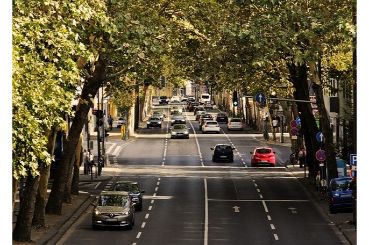
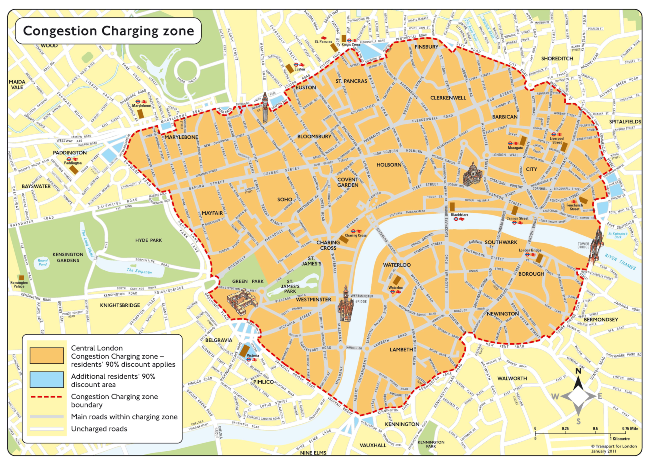
The Congestion Charge applies to a specific zone covering much of Central London, including Westminster, Mayfair, Covent Garden and other parts of the City.
Signs clearly mark the zone, so you will know when you are entering.
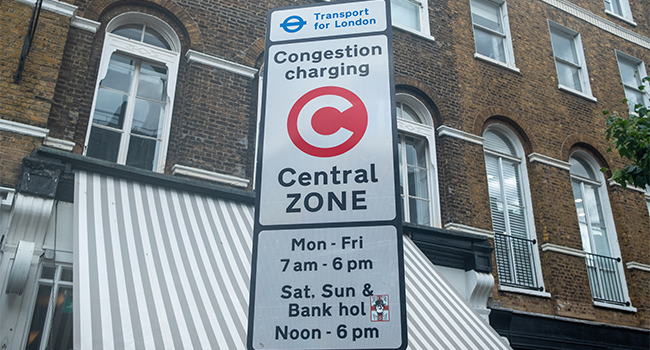
🔴 Monday to Friday: 7am – 6pm
🔴 Weekends and Bank Holidays: 12pm – 6pm
There is no charge in the evenings or overnight.
The Congestion Charge also does not apply on Christmas Day, the New Year’s Day bank holiday, or the days in between. So, if you fancy a night-time drive past the London Eye, you will not have to pay a penny.
How Much Does it Cost?
The daily fee for driving within the Congestion Charge zone during charging hours is £18 if you pay in advance or on the day of travel. Leave it until up to three days after travel, and the cost rises to £21.
If you fail to pay within the permitted period, you may receive a Penalty Charge Notice (PCN) of £180, reduced to £90 if paid within 14 days.
One payment covers your vehicle for journeys within the Congestion Charge zone during the entire charging period for that day, no matter how many times you enter or leave.
How to Pay the Congestion Charge
Transport for London (TfL) has made paying the Congestion Charge straightforward, with several different methods to suit drivers. If you are a regular traveller in Central London, setting up Auto Pay is the easiest option, as it takes care of payments automatically and ensures you will never miss a deadline.
For those making occasional visits, you can pay quickly and securely using the TfL Pay to Drive app, which is available on both iOS and Android, or through the official TfL website. There is also the option to pay over the phone if you prefer. However you choose to do it, the important thing is to pay on time, as missing the deadline can prove costly.
Discounts and Exemptions
Not everyone has to pay the full amount. Specific discounts and exemptions apply:
🔵 Eligible residents of the Congestion Charge zone can apply for a 90% Residents’ Discount. From 1 March 2027, new applicants will only be eligible for the discount if they use an electric vehicle. Existing qualifying residents who register before then can retain the discount, subject to the scheme’s conditions.
🔵 Blue Badge holders, emergency vehicles and certain accredited breakdown vehicles can register for full exemption.
🔵TfL operates specific reimbursement arrangements for eligible NHS patients and staff undertaking essential travel, rather than a broad discount scheme.
Keep in mind that these discounts aren’t automatic – you’ll need to apply for them in advance.
What About Electric Vehicles?
Driving an electric vehicle in London no longer guarantees a free pass through the city centre. The era of 100% exemptions for EVs has officially ended, replaced by a tiered discount system applied to the standard £18 daily charge.
Electric cars registered on TfL Auto Pay receive a 25% Cleaner Vehicle Discount, reducing the daily charge to £13.50. Meanwhile, electric vans and HGVs registered on Auto Pay qualify for a 50% reduction (£9.00/day).
You do not need a separate application for the discount: simply ensure your vehicle details are accurate on an active TfL Auto Pay account, and TfL applies the reduced rate automatically. Without Auto Pay, you will be billed the full £18 daily fee.
What About ULEZ?
The Congestion Charge is separate from the Ultra Low Emission Zone (ULEZ). Depending on your vehicle and where you drive, you may need to pay the ULEZ charge as well as the Congestion Charge. Check your vehicle’s status with TfL before travelling.
Before You Hit the Road
Driving in London can be unforgettable: whether you are passing Buckingham Palace, crossing Tower Bridge, or navigating the bustle of London’s black cabs. Just make sure you have sorted the Congestion Charge before setting off. Pay on time, check for discounts, and enjoy your journey without the worry of unexpected fines.
For the most up-to-date information and to pay the charge, head to Transport for London’s website. Please check the Congestion Charge and related fees before travelling into Central London, and consider using a SatNav app if you want to avoid paid-entry zones.
This information was accurate at the time of writing.