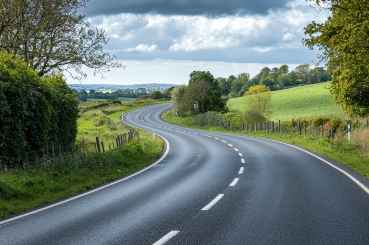

Exploring the British countryside is one of the great joys of driving. From the rolling hills of the Cotswolds to the rugged peaks of the Peak District, our rural network offers some of the most scenic routes in the world. However, despite the lower traffic volumes, country roads can be significantly more challenging than urban streets or motorways.
At Stoneacre, we want you to enjoy every mile of your journey safely. Whether you’re a new driver or a seasoned motorist, here is everything you need to know about navigating the unique demands of rural driving.
Understanding Rural Road Signs and Speed Limits
Country roads are unpredictable. Unlike a three-lane motorway, the “rules of the road” here often change around every corner.
The National Speed Limit
On most single-carriageway country roads, you’ll see the white circle with a diagonal black stripe. This indicates the National Speed Limit, which is 60mph for cars.
Important: The speed limit is a limit, not a target. Many country lanes are narrow, winding, and poorly lit. Driving at 60mph on a road barely wide enough for one car is often dangerous. Always drive at a speed that allows you to stop safely within the distance you can see clearly.
Common Warning Signs
Keep a sharp eye out for these triangular red-bordered signs:
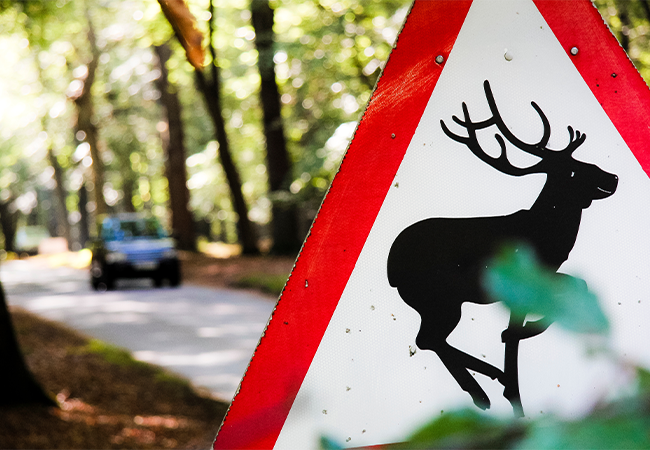
- Wild Animals/Cattle: Deer and livestock often wander onto the road, particularly at dawn and dusk.
- Horse Riders: Horses are easily spooked. If you see this sign, expect riders around the next bend.
- Farm Vehicles: Indicates that slow-moving tractors may be pulling out of hidden field entrances.
- Road Narrows: Essential for timing your approach when meeting oncoming traffic.
Reading the Road: Anticipation is Key
In the city, we rely on traffic lights and clear markings. In the country, you have to become a “road detective.” Reading the road means looking for subtle clues to anticipate hazards before they appear.
Look Beyond the Tarmac
Don’t just stare at the bumper in front of you. Look as far ahead as possible:
- Dust Clouds: A plume of dust over a hedge often signals a large tractor or harvester approaching from the opposite direction.
- Moving Hedges: Seeing the tops of a high-sided vehicle moving above the treeline gives you early warning of oncoming traffic.
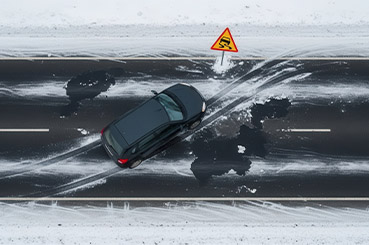
- Mud on the Road: This usually means a farm entrance is nearby. Mud can be as slippery as ice, so reduce your speed immediately.
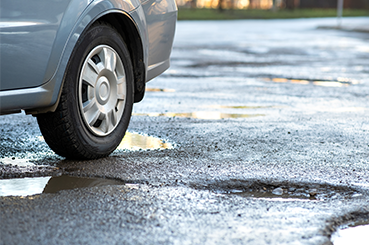
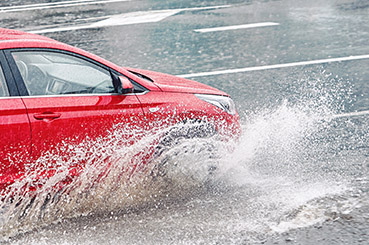
- Standing Water: Rural roads often have poor drainage. Watch out for large puddles that could cause aquaplaning or hide deep potholes.
Navigating Bends and Sharp Corners
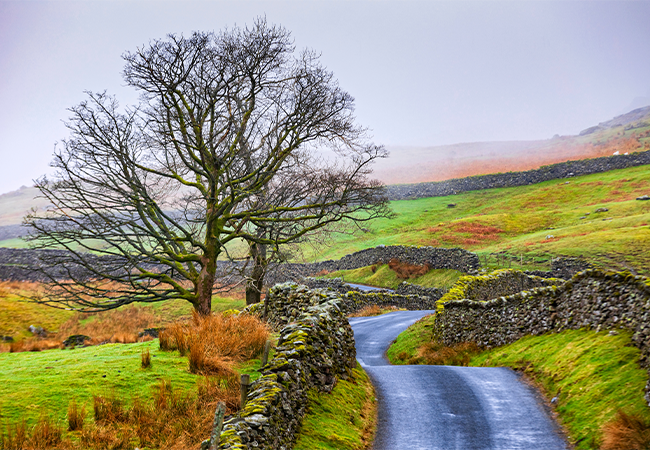
Bends on country roads are often “blind,” meaning you cannot see what is around the corner. It could be a fallen branch, a broken-down car, or a group of cyclists.
The Limit Point Technique
A great way to judge your speed for a bend is to look at the “limit point”—the furthest point of the road you can see where the two verges meet.
If the limit point is getting closer, the bend is tightening, and you should slow down.
If the limit point appears to be moving away from you, the bend is opening up.
Overtaking and Passing Places
Overtaking on a country road is one of the most high-risk manoeuvres a driver can perform.
When to Overtake
Only overtake if you are 100% sure the road ahead is clear and there are no hidden dips or junctions.
- Never overtake near a bend, a bridge, or the brow of a hill.
- Watch for solid white lines: These are there for a reason, usually because the visibility is too poor to pass safely.
Using Passing Places
On single-track roads, you will often find Passing Places.
- If the passing place is on your left, pull into it.
- If it is on your right, wait opposite it to allow the other driver to pull in.
- Tip: A friendly wave of thanks to a driver who pulls over goes a long way in maintaining rural road etiquette!
Sharing the Road: Horses, Cyclists, and Pedestrians
You aren’t the only one enjoying the fresh air. Rural roads are shared spaces, and some users are more vulnerable than others.
Horse Riders
Horses are large, powerful, and unpredictable.
- Slow down: Reduce your speed to under 10mph.
- Give space: Give them at least two metres of room (about a car’s width).
- Be quiet: Do not rev your engine or honk your horn.
- Wait: Only pass when it is safe to do so, and the rider signals you.
Vulnerable Road Users
- Cyclists: Give them as much room as you would a car when overtaking.
- Pedestrians: In many rural areas, there are no pavements. Pedestrians are advised to walk on the right-hand side of the road (facing oncoming traffic). Be prepared for them to be just around a sharp corner.
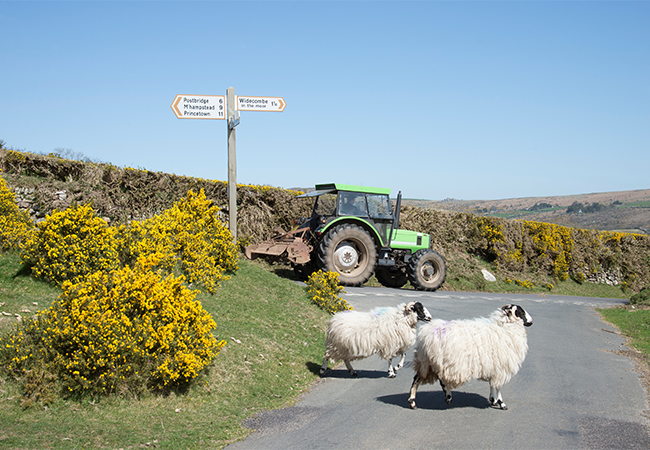
Dealing with Obstructions and Farm Vehicles
From a fallen tree after a storm to a slow-moving herd of sheep, obstructions are part of country life.
- Livestock: If the road is blocked by sheep or cattle, stop your engine and wait for the farmer to clear the path. Do not try to “nudge” through the herd.
- Tractors: Farmers have a job to do, and while they can be slow, they often cannot pull over immediately. Be patient. They will usually pull into a lay-by or field once they reach a safe spot.
Driving on country roads requires a different mindset than city driving. It’s about being proactive rather than reactive. By respecting the speed limits, reading the environment, and showing patience toward other road users, you can ensure your rural adventures are both safe and enjoyable.
Before you head off on your next trip, ensure your vehicle is in top condition. At Stoneacre, we offer comprehensive servicing and safety checks to give you peace of mind on every journey.