
Every day across the UK, millions of families take part in the familiar routine of the school run. Whether it’s a quick walk down the road, a short bike ride, or a drive through busy morning traffic, the journey to and from school plays a big role in family life. But it’s also one of the most high-risk times for children using the road.
Breakdown and road safety organisation GEM Motoring Assist is encouraging parents and carers to prioritise safety on every school journey. With children of all ages navigating roads, pavements, and crossings every morning and afternoon, it’s important for everyone—from toddlers to grandparents—to be aware of the risks and responsibilities that come with travelling during peak school times.
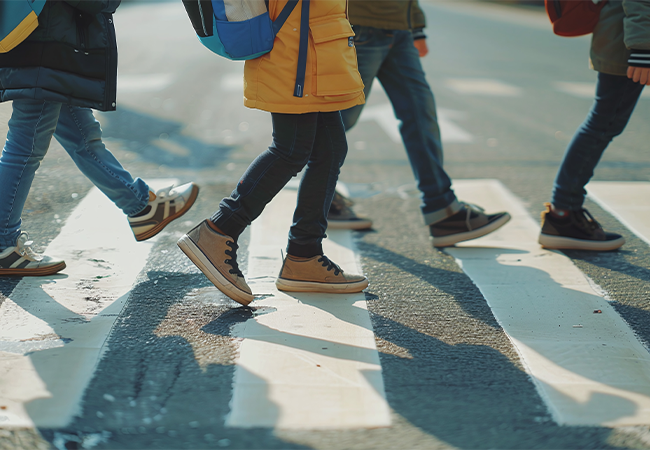
Sadly, recent data highlights why vigilance is more vital than ever. According to the latest Department for Transport figures, while overall road casualties are seeing a gradual decline, the number of children killed or seriously injured (KSI) has remained stubbornly stable. In 2024, approximately 1,600 fatalities were recorded on Britain’s roads, with children under 16 accounting for a significant portion of serious injuries.
Crucially, the “school run” peak hours (8:00 AM – 9:00 AM and 3:00 PM – 4:00 PM) remain the most dangerous windows for young pedestrians.
GEM’s head of road safety, James Luckhurst, notes:
“With the government’s new Road Safety Strategy now in effect for 2026, there is a renewed national focus on the ‘Safe System’ approach. This means we must ensure that the roads, rules, and our own driving habits work together to prevent a simple mistake from becoming a life-changing tragedy.”
High-Risk Habits to Avoid on the School Run
The roads outside schools are busy, unpredictable places. To keep everyone safe, GEM is urging parents and carers to steer clear of these common but dangerous behaviours:
Entering “School Street” Zones restricted to residents
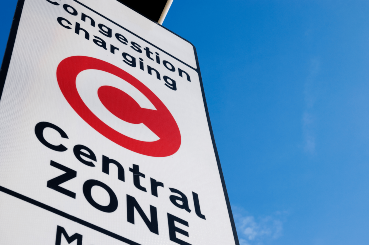
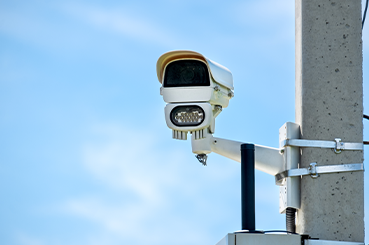
Hundreds of schools across the UK now operate School Street Schemes, where roads are legally closed to most traffic during drop-off and pick-up. Entering these zones unwittingly can now result in automatic fines of up to £160 via ANPR (camera) enforcement.
Parking on pavements or blocking dropped kerbs
As of 2024, pavement parking is strictly banned across Scotland with £100 fines. Many English councils have followed suit. Parking on the path forces children, wheelchair users, and parents with prams into live traffic—a high-risk move that is now a legal liability.
Double parking or stopping on zig-zags
This remains a leading cause of “blind spots.” When you double park, you create a wall that prevents children from seeing oncoming traffic and prevents drivers from seeing them.
Ignoring the 20mph default
In Wales and many major English cities (including London, Birmingham, and Bristol), 20mph is now the default for residential and school areas. Slower speeds are the single most effective way to reduce the severity of a collision.
Allowing “Door-Side” exits into the road
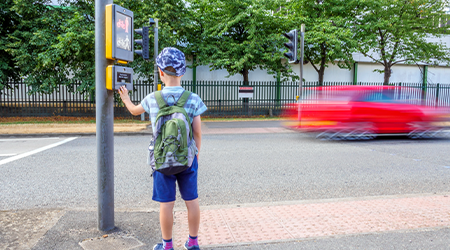
With the rise of quiet electric vehicles and increased cycling traffic, letting a child exit a car into the road is extremely dangerous. Always use the “Dutch Reach” (opening the door with your far hand) to check for passing cyclists before letting children out on the pavement side.
Practical Safety Tips for All School Journeys
To help parents, carers, and children stay safe throughout the year, GEM has compiled useful tips that make the school run safer, smoother, and more enjoyable.
- Check for “Safe Zones”: Before the term starts, check if your school has joined a Healthy School Street scheme. You may need to adjust your driving route to avoid restricted zones.
- Make children visible (The Tech Way): Beyond fluorescent vests, consider small LED clip-on lights for bags. Modern road safety research shows that active light sources are more effective than passive reflectors in dimly lit urban areas.
- The “Mirror Rule” for Large Vehicles: Teach children that if they are near a delivery van or lorry, they must be able to see the driver’s mirrors. If they can’t see the mirrors, the driver cannot see them.
- Leave five minutes earlier: Stress is the primary driver of “risky” decisions like speeding or illegal stopping. A small time buffer removes the temptation to take shortcuts with safety.
- Model “Tech-Free” Walking: Children mirror adult behaviour. If you are checking your phone while crossing the road, they will perceive it as a safe habit. Put the device away and stay “eyes up” until you reach the school gates.
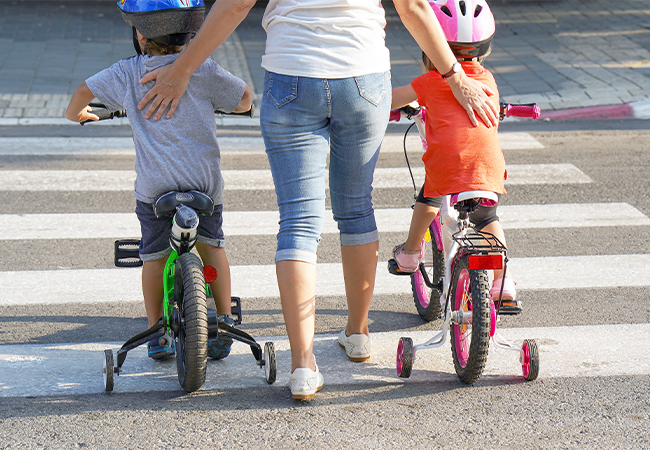
Leading by Example
Children watch everything adults do on the road. They notice when you cross safely, obey speed limits, or patiently wait your turn—and they also notice when adults take risks. Your behaviour today shapes how they will behave as road users for years to come.
By modelling good habits, you’re not only protecting your own family but helping build a safer road environment for every child in your community.
Working Together for Safer School Journeys
The school run should be a safe, calm, and positive part of the day—not a stressful or hazardous one. When parents, carers, drivers, cyclists, and pedestrians all do their part, we help create safer communities and reduce the risk of tragic, preventable accidents.
At Stoneacre, we care deeply about road safety and supporting families year-round. Whether you’re preparing your car for daily school runs, planning cycling routes, or simply looking for ways to be a safer driver, we’re here to help.
Here’s to safer journeys, confident young pedestrians, and communities that look out for one another—every single day of the year.
*Information was correct at the time of writing