
Driving is one of those everyday activities we rarely think about – until we find ourselves in a country where everything feels “backwards”. Whether you’re hiring a car abroad, importing a vehicle, or simply curious about road systems, understanding the divide between left and right-hand traffic is more important than many realise.
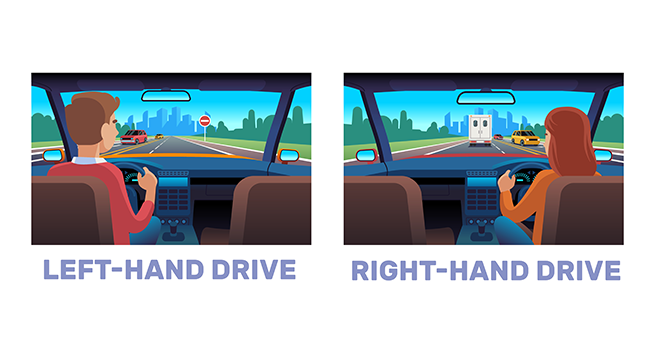
At its core, the difference is the side of the road vehicles use. In Left-Hand Traffic (LHT) countries, drivers typically use Right-Hand Drive (RHD) vehicles to sit closer to the centre of the road.
Alternatively, Right-Hand Traffic (RHT) countries use Left-Hand Drive (LHD) vehicles. This setup improves visibility for oncoming traffic and overtaking, but the impact of this split goes much deeper than just where you sit.
Why Does the World Drive on Different Sides?
Historical Origins: Swords and Safety
The split can be traced back to ancient habits. In medieval Europe, most people were right-handed and carried weapons on their left. Travelling on the left allowed them to keep their “sword arm” (the right hand) free to defend against threats.
This tradition became law in Britain and was exported to nations like Australia, India, and South Africa through the expansion of the British Empire.
Napoleon and the Shift to Right-Hand Driving
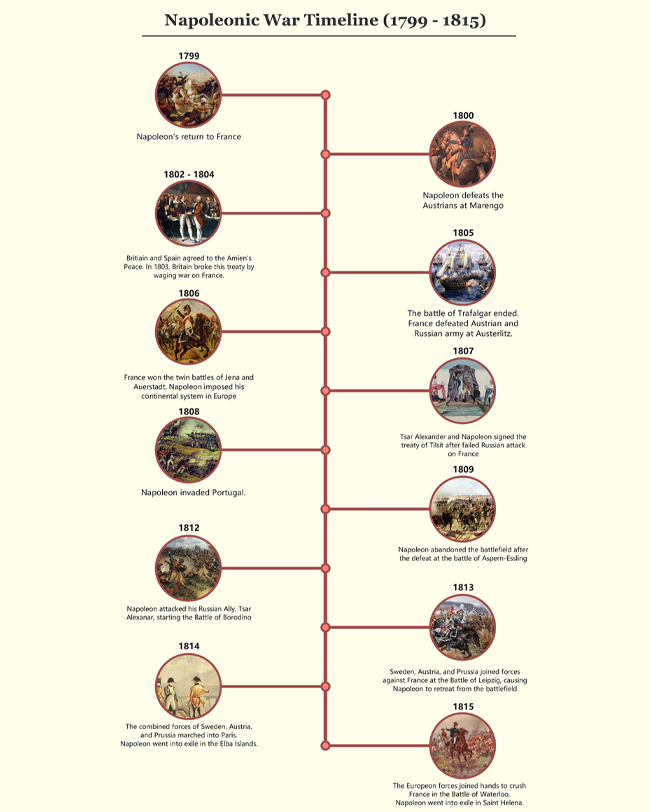
Across mainland Europe, a different system emerged. Napoleon Bonaparte reportedly favoured driving on the right, possibly to distinguish his armies from British customs.
As his empire expanded, the countries he conquered adopted right-hand traffic. This is why much of Europe, including France, Germany, and Spain, now drives on the right.
The American Influence
In the United States, the shift to the right was driven by large freight wagons. Drivers often sat on the left-rear horse so they could use their right hand to whip the team.
Sitting on the left made it easier to see how close their wheels were to passing traffic if they stayed on the right side of the road.
Infrastructure and Road Design
Every element of a road network is planned to support its specific system. These factors show how deeply traffic flow is embedded into national infrastructure:
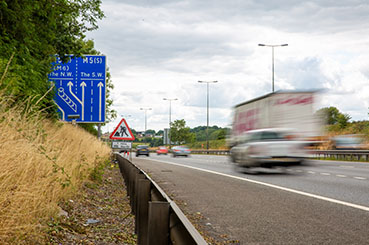
- Motorway Junctions: Acceleration lanes, merge points, and slip roads are mirrored to ensure vehicles enter and exit from the correct side of the carriageway.
- Signage Placement: Signs, overhead gantries, and roadside warnings are positioned to be most visible from the driver’s side of the vehicle.
- Pedestrian Crossings: Road markings, signal placement, and public safety messages are designed to encourage pedestrians to look the “correct” way first based on the traffic direction
Together, these factors show how deeply left and right-hand traffic systems are embedded into national infrastructure, reinforcing the importance of driver awareness and careful adaptation when travelling abroad.
Practical Driving Differences – Which Countries Drive on the Left and Which Drive on the Right?
Practical driving differences become most noticeable when you first arrive in a country that drives on the opposite side of the road. For travellers, adapting to opposite-side driving takes concentration, especially in the first few days, and simple habits like reminding yourself which side to join after turning can make a big difference.
| Feature | Left-Hand Traffic (LHT) | Right-Hand Traffic (RHT) |
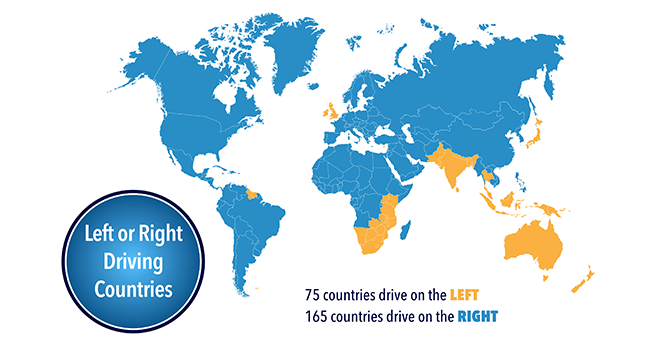
| Common Countries | UK, Australia, Japan, India | USA, China, Most of Europe |
| Car Setup | Right-Hand Drive (RHD) | Left-Hand Drive (LHD) |
| Roundabout Flow | Clockwise | Anti-Clockwise |
| Overtaking Side | Right | Left |
Note: While mainland China drives on the right, Hong Kong and Macau still drive on the left due to their unique history and administrative status.
Vehicle Design Differences You Might Not Notice
While the most obvious change is the steering wheel moving from one side to the other, there are subtle variations you might not notice:
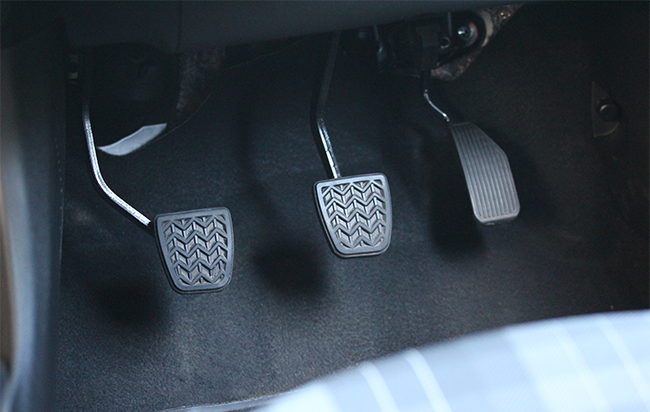
- The Pedal Paradox: Interestingly, the pedals are not mirrored. Whether you are in a Right-Hand Drive (RHD) or Left-Hand Drive (LHD) car, the pedals remain in the same order: Clutch, Brake, Accelerator (from left to right).
- Control Stalks: In many Japanese RHD cars, the indicator and wiper stalks are swapped. However, many European brands keep the indicator on the left for all markets, meaning a UK driver might still use their left hand to signal.
- Windscreen Wipers: Wipers are designed to sweep towards the driver’s side to clear their line of sight first. Using an imported car can mean the “cleanest” part of the glass is actually on the passenger side.
- Headlight Beams: Headlamps are angled to illuminate the roadside (the verge) without dazzling oncoming traffic. Using the wrong beam pattern (e.g., a French car in the UK) is illegal without “beam deflectors.”
Cultural and Psychological Challenges
Is one side inherently safer than the other? Not necessarily. Research suggests that road safety depends more on infrastructure quality and driver behaviour than on which side you drive on. However, the human brain faces a major challenge when we cross borders.
Our driving is powered by muscle memory. When you switch sides, those learned habits are suddenly reversed, leading to a much higher “cognitive load.” Here is why the transition can feel so taxing:
- The Dominant Eye: Most people are right-eye dominant. In LHT, the stronger eye is positioned closer to the centre of the road, which can make monitoring oncoming traffic feel more intuitive.
- The Overtaking Gap: Overtaking feels less natural when sightlines are mirrored, making it harder for the “uninitiated” brain to judge distances.
- Intersection Confusion: At junctions and roundabouts, drivers often instinctively look the wrong way for danger. This is why tourists face a higher risk of hesitation or mistakes in the first few days of a trip.
The Bottom Line: Even a brief lapse in concentration can lead to a head-on collision. When driving abroad, it isn’t just about learning new rules—it’s about consciously overriding your own instincts until a new “autopilot” takes over.
Why Countries Don’t Switch Sides
The cost of switching sides, which would involve enormous expense due to the need to redesign road layouts, replace signage, modify vehicles, retrain drivers, and update traffic laws, making such a change highly disruptive and rarely justified.
While most nations have stuck to their chosen side for over a century, a few have undertaken the massive logistical challenge of switching sides. These events, known as “H-Days” (from the word Högertrafik, meaning right-hand traffic), prove that even the most ingrained national habits can be rewritten.
Sweden: Dagen H (September 3, 1967)
Sweden is the most famous example of a nationwide “flip.” Despite driving on the left, most Swedes drove Volvo or Saab cars with the steering wheel on the left (LHD), and all their neighbours drove on the right. This led to frequent head-on collisions at borders.
On Dagen H, all non-essential traffic was banned from 1:00 AM to 6:00 AM. At 4:50 AM, all vehicles were required to come to a full stop, carefully cross to the other side of the road, and wait ten minutes before proceeding at 5:00 AM. Surprisingly, the switch actually saw a drop in accidents initially, as drivers were being extra cautious.
Iceland: H-dagurinn (May 26, 1968)
Following Sweden’s success, Iceland made the move just one year later. Known as H-dagurinn, the switch was remarkably smooth. The only major casualty of the change was the bus system. Icelandic buses had doors on the left; they had to be replaced or undergo expensive structural conversions to allow passengers to step out onto the new sidewalk side.
Samoa: The Modern Shift (September 7, 2009)
Proving that these changes aren’t just ancient history, Samoa switched from the right to the left in 2009. Unlike Sweden, which moved to match Europe, Samoa moved to match Australia and New Zealand.
The reason was economic: it allowed the island nation to import affordable, high-quality second-hand cars from its neighbours. To prepare, the government declared a two-day public holiday to clear the roads, lowered speed limits, and even banned the sale of alcohol for several days to ensure everyone stayed sharp during the transition.
Whether you’re driving on the left in the UK or the right in mainland Europe, the key is awareness. For motoring professionals, understanding these nuances—from headlight alignment to regional exceptions like Hong Kong—is essential for safety and compliance. No matter which side of the road you’re on, informed driving always leads the way.