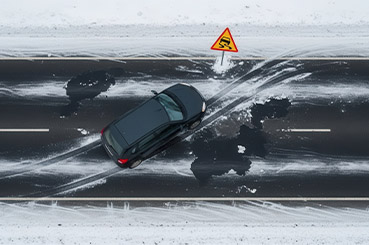

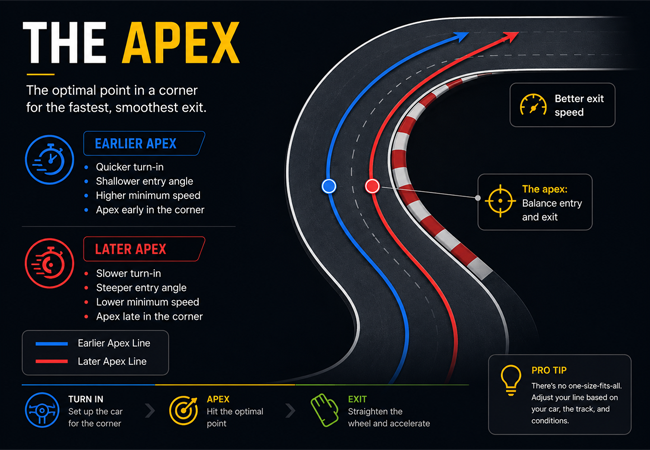
Every petrolhead knows the feeling of hunting for the perfect ribbon of tarmac. You spot the apex, drop a gear, turn the steering wheel, and prepare to power out of the bend. In an older or poorly set up performance car, leaning hard into a fast corner often results in one frustrating outcome: understeer. The front tyres lose traction, the steering wheel goes light, and the nose of the vehicle wants to wash straight out towards the grass verge.
Engineers have spent decades fighting this specific physics problem. While stiffer anti-roll bars, sticky rubber, and clever suspension geometry all help, the real revolution happened when manufacturers figured out how to actively control the rotational forces sent to each individual wheel. This technology is known as torque vectoring. It is the secret weapon behind how modern hot hatches, sports saloons, and performance vehicles manage to defy the laws of physics on twisty British B-roads.
The Basics of Chassis Dynamics and the Cornering Problem
To appreciate how torque vectoring works, it helps to look at what happens when a vehicle goes around a corner. When you turn into a bend, the outside wheels have to travel a physically longer distance than the inside wheels. If both wheels on an axle turned at the exact same speed, the tyres would scrub, skip, and break traction instantly.
A standard open differential solves this path-length problem by allowing the wheels to rotate at different speeds. However, standard open differentials possess a glaring flaw for enthusiast drivers. Power naturally follows the path of least resistance.
When a vehicle leans hard into a corner, weight shifts away from the inside tyres and onto the outside tyres. Because the inside wheel becomes light and loses mechanical grip, the open differential mistakenly sends all the engine torque to that inside tyre. The result is a spinning inside wheel, smoke, and a massive loss of forward momentum.
Traditional performance cars solved this by using a mechanical limited slip differential, commonly referred to as an LSD. A mechanical LSD locks the two wheels together when slippage occurs, ensuring that the wheel with the most grip continues to receive power. While brilliant, a traditional LSD remains a reactive mechanical component. Torque vectoring takes this concept to an entirely new level by being completely proactive.

How Does Torque Vectoring Work?
Instead of simply preventing a wheel from spinning uselessly, a true torque vectoring system actively decides exactly how much rotational force to send to the left or right tyre at any given millisecond. By sending more power to the outside wheel, the system creates what engineers call a yaw moment. This means the car is physically forced to pivot around its own central axis.
Think of it like paddling a canoe. If you want to turn sharply to the left, you paddle harder on the right side of the boat. Torque vectoring works on the exact same logic. By accelerating the outside tyre, the car is driven into the corner, sharpening your turn-in response and virtually eliminating understeer altogether.
Technical Refresher: Before looking at how this system distributes force to the wheels in a corner, it helps to understand the basics of engine output. If you need a refresher on the foundational terminology, read our comprehensive guide on what torque is in cars.
Brake-Based Torque Vectoring vs Mechanical Systems
Not all torque vectoring systems are designed the same way. Manufacturers use two distinctly different engineering methods to achieve this cornering effect, and they alter the driving experience in completely different ways.
1. Electronic Brake-Based Torque Vectoring
This is the most common system found on modern warm hatches and family SUVs. It does not use specialised differentials. Instead, it utilises the existing anti-lock braking system and electronic stability control sensors to mimic a torque vectoring effect.
When you enter a corner too quickly, the car’s computer detects that understeer is about to occur. The system applies a subtle, microscopic braking force exclusively to the inside front wheel. By slowing the inside tyre down, the open differential naturally shifts the remaining engine power to the outside tyre. This tucks the nose of the car neatly into the apex. While highly effective at keeping you safe, aggressive track driving can cause this system to wear out your brake pads and discs much faster than normal.
2. Active Electronic Limited Slip Differentials (e-LSD)
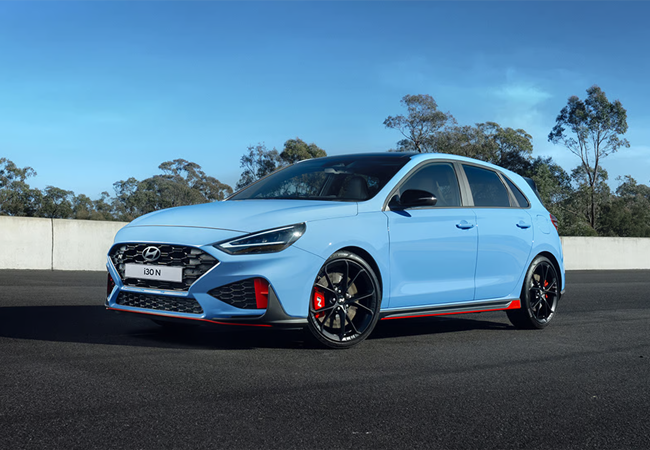
This is the hardware that petrolheads truly desire. Found on serious performance machines like the Hyundai i30 N, the Ford Focus ST, and various Cupra models, this setup uses electronically controlled clutch packs within the differential assembly itself.
An e-LSD monitors steering angle, throttle position, lateral G-forces, and wheel speeds hundreds of times per second. It anticipates your driving intentions.
Before the tyre even begins to slip, the system locks the clutch packs to transfer massive amounts of engine power directly to the outside wheel.
Rather than slowing you down like a brake-based system, an e-LSD actively accelerates the car through the bend, allowing you to get on the throttle much earlier when exiting a corner.
| System Type | How It Works | Pros | Cons |
| Brake-Based | Brakes the inside wheel to force power to the outside. | Cost-effective, lightweight, seamless for daily driving. | Can accelerate brake wear, creates minor friction losses. |
| Active e-LSD | Uses electronic clutch packs to send power to the outside wheel. | Maximises cornering speed, highly proactive, pure driver feedback. | Heavier, more expensive to manufacture, requires fluid maintenance. |
What Does It Feel Like From the Driver’s Seat?
For a passionate driver, transitioning from a vehicle with a standard open differential to one equipped with intelligent torque vectoring is an eye-opening experience. The entire character of the front axle changes.
Instead of managing understeer by lifting off the accelerator pedal, a torque-vectored car rewards you for staying committed. When you apply power mid-corner, you can feel the chassis actively tightening its line. The car feels lighter, shorter, and far more agile than its physical dimensions suggest.
It gives the driver immense confidence, making the steering feel telepathic and ensuring that every scrap of power from modern turbocharged engines is converted into pure forward traction.
The Verdict for Petrolheads
When you are hunting for your next performance car, the technical specification sheet matters. For casual commutes, a simple brake-based system keeps you safe and secure in rainy weather. However, if you live for early morning weekend drives, track days, or navigating technical road networks, finding a car with a dedicated active mechanical or electronic e-LSD should be high on your priority list. It transforms a normal hatchback into an absolute B-road weapon.