
In the UK, we’re no strangers to sudden rain—it’s practically our national pastime. But while we might be experts at dodging puddles on the pavement, the rules of the game change entirely once you’re behind the wheel.
Driving in the rain is often underestimated, yet it is one of the most demanding conditions a motorist can face. It’s not just about the annoyance of a blurry windscreen; it’s about physics. Wet roads drastically reduce the friction between your tyres and the tarmac, doubling stopping distances and turning familiar corners into potential hazards.
The first few minutes of rainfall are actually the most dangerous. This is when oil, dust, and debris rise to the surface, creating a “greasy” film that can catch even the most experienced drivers off guard. Whether you’re facing a light drizzle on the school run or a blinding “spray-fest” on the M1, adjusting your driving style isn’t just a good idea—it’s essential.
This guide breaks down the essential wet-weather skills you need to stay confident, in control, and safe, no matter what the British sky decides to throw at you.
How Does Rain Affect Driving Conditions?
Reduced Visibility in Wet Weather
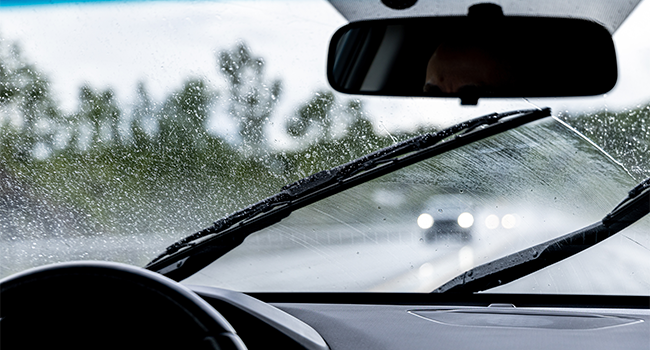
Rain can dramatically reduce visibility, especially during heavy showers or at night. Water on the windscreen blurs vision, while reflections and glare from headlights and streetlights can make it harder to judge distances.
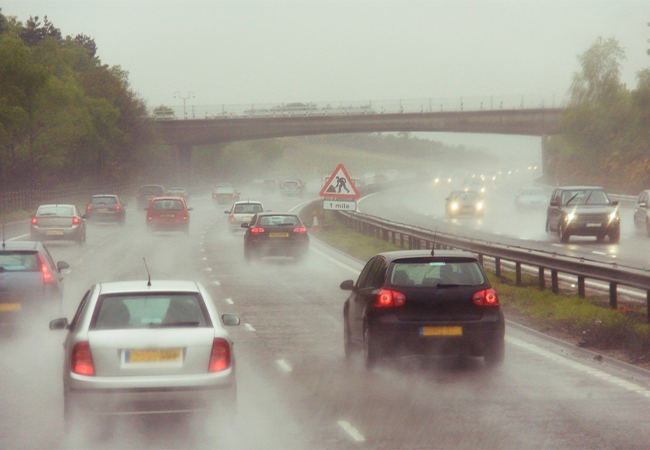
Spray from other vehicles — particularly lorries and buses — can severely limit forward visibility on motorways and dual carriageways. Dirty or greasy windscreens make this worse, as rain spreads grime rather than clearing it.
Longer Braking Distances on Wet Roads
One of the biggest dangers of driving in the rain is increased stopping distance. Wet road surfaces reduce tyre grip, meaning brakes take longer to slow the vehicle.
At higher speeds, braking distances increase dramatically. Even modern braking systems cannot overcome the laws of physics, which is why reducing speed in wet conditions is essential.
The Risk of Aquaplaning Explained
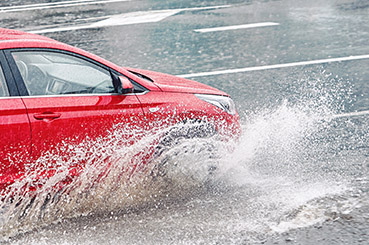
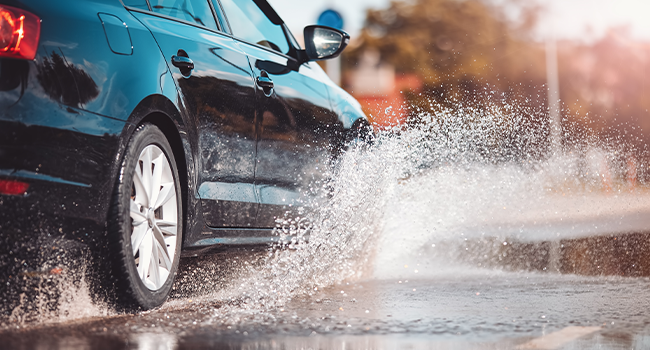
Aquaplaning occurs when a layer of water builds up between your tyres and the road surface, causing the tyres to lose contact with the road. When this happens, steering, braking, and acceleration become ineffective.
Aquaplaning is more likely at higher speeds, on roads with standing water, and when tyres are worn or under-inflated. This topic will be explored in more detail in a dedicated future guide, but awareness is a crucial part of safe rain driving.
If you start to aquaplane:
- Ease off the accelerator.
- Do not brake hard.
- Keep the steering wheel straight until you feel grip return.
Preparing Your Car for Driving in the Rain
- Brake Check: After driving through deep water, gently tap your brakes to help dry the discs.
- Tyre Tread: In the UK, the legal minimum is 1.6mm, but a deeper tread significantly improves water dispersion.
- Windscreen Wipers: Replace blades if they leave streaks, smears, or patches of water.
- Lights: Use dipped headlights whenever visibility is reduced. Avoid full beams, as they reflect off the rain and dazzle you.
How to Drive Safely in the Rain
Reduce Your Speed on Wet Roads
Slowing down is the single most effective way to stay safe. Remember: speed limits are set for ideal conditions, not torrential rain. Lower speeds improve vehicle control, give you more time to react, and significantly reduce the likelihood of aquaplaning.
Increase the Distance Between You and Others
In wet weather, you should allow at least double the normal following distance (the “4-second rule”). This extra space accounts for increased braking distances and helps you avoid the thick spray kicked up by the vehicle in front.
Brake Gently and Early
Start braking much earlier than you would on a dry day. Apply steady, gentle pressure rather than sudden jabs. Harsh braking is the fastest way to cause a skid on greasy surfaces.
Avoid Sudden Steering or Sharp Movements
Keep your inputs smooth and gradual. Sudden swerves or sharp lane changes can easily cause your tyres to lose their grip. Always plan your manoeuvres well in advance to avoid panic steering.
Avoid Cruise Control Altogether
Never use cruise control on wet roads. It can prevent you from feeling a loss of traction and may even cause the car to accelerate if the wheels begin to slip. Manual control is the only safe way to drive in the rain.
Be Extra Cautious on Motorways and Dual Carriageways
Standing water often collects in outer lanes, increasing the risk of aquaplaning. Spray from high-speed traffic can severely reduce visibility.
Watch for sudden slowdowns and be prepared to react early.
Driving in Heavy Rain and Poor Visibility
When to Use Dipped Headlights and Fog Lights
Use dipped headlights whenever the rain reduces visibility. Rear fog lights should only be used when visibility drops below 100 metres, as they can dazzle drivers behind you.
Always turn fog lights off once conditions improve.
How to Drive Safely Through Standing Water
If you must drive through shallow standing water, do so slowly and steadily. Avoid changing gear mid-water, as this can cause loss of momentum.
Once clear, gently test your brakes to ensure they are working properly.
Why You Should Avoid Puddles and Flooded Roads
Floodwater depth is often deceptive and can conceal potholes, debris, or damaged road surfaces. Driving through deep water risks engine damage, loss of control, or becoming stranded.
Knowing how to drive in flooded areas often means knowing when not to drive at all.

Knowing When Conditions Are Too Dangerous to Continue
If visibility becomes severely reduced or roads are flooded, it may be safer to pull over in a suitable location and wait for conditions to improve.
Never attempt to drive through deep floodwater.
Wet Weather Driving at Night
Why Rain Makes Night Driving More Difficult
Rain intensifies reflections, reduces contrast, and affects depth perception. Headlight glare from oncoming traffic becomes more pronounced, while fatigue further slows reaction times.
Managing Glare From Oncoming Headlights
Focus on the left edge of the road rather than staring into oncoming lights. Keep windscreens clean inside and out, and adjust mirrors to minimise glare.
Keeping Your Windscreen Clear and Demisted
Use air conditioning to remove moisture from the air, even in colder weather. Ensure demister settings are working correctly and avoid leaving wet items inside the car.
Motorway Driving in the Rain
Understanding Spray and Reduced Visibility
Large vehicles generate heavy spray, which can obscure your view. Maintaining a safe following distance improves visibility and reaction time.
Using Lanes Safely During Heavy Rain
Inner lanes may hold more standing water, while sudden lane changes increase skid risk. Signal early, steer smoothly, and change lanes gradually.
Smart Motorway Advice for Wet Conditions
Always follow variable speed limits and overhead signage. Use refuge areas only in emergencies and remain alert to changing conditions.
Common Mistakes Drivers Make in the Rain
Driving Too Fast for the Conditions
Speed limits do not account for weather. Driving too fast reduces reaction time, increases stopping distances, and raises the risk of aquaplaning.
Relying Too Much on Driver Assistance Systems
Modern safety systems (like ABS or Traction Control) cannot override the laws of physics. They help, but they won’t stop you from skidding if you’re driving dangerously.
Ignoring Tyre and Brake Maintenance
Poorly maintained tyres and brakes significantly reduce wet-weather safety. Regular checks help prevent breakdowns and accidents.
Using High Beam Headlights Incorrectly
Using full beams in heavy rain creates a “white wall” effect, reflecting the light back into your eyes and reducing your vision further.
Staying Safe and Confident When Driving in the Rain
Driving in the rain doesn’t have to be stressful, but it does require a change in mindset. By slowing down, keeping your distance, and ensuring your vehicle is well-maintained, you can navigate even the heaviest British downpour with confidence.