
The catalytic converter warning light ranks amongst the most misunderstood dashboard indicators that drivers encounter.
When this light appears, your vehicle alerts you to a potentially serious emissions system problem. This could affect both performance and environmental compliance.
Understanding what triggers this warning, recognising the symptoms, and knowing how to respond can prevent costly repairs. It can also help keep your car roadworthy and compliant.
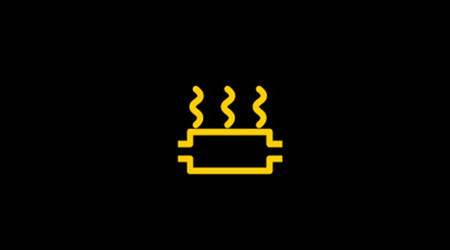
What Does the Catalytic Converter Light Look Like?
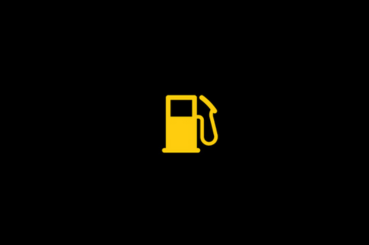
The catalytic converter warning light usually looks like an engine outline with wavy lines above it. It may also show a honeycomb pattern inside, which represents the catalyst’s internal structure.
Some manufacturers use the letters “CAT” instead. Others use the engine management light, also known as the check engine light, to show catalytic converter problems.
The light is usually amber or yellow, which means there may be an issue. It may flash or turn red if the system detects severe damage that needs immediate attention.
Different car manufacturers employ varying symbols, but most modern vehicles integrate catalytic converter monitoring into the broader engine management system.
What Does the Catalytic Converter Light Mean?
Your catalytic converter warning light illuminates when the vehicle’s onboard diagnostics detect an issue. This issue relates to the exhaust emission control system.
The system monitors several critical functions:
- Catalyst efficiency and performance.
- Exhaust gas temperatures.
- Oxygen readings before and after the converter.
- Overall emissions output levels.
Modern cars use sophisticated sensors to compare oxygen levels upstream and downstream of the catalytic converter. When these readings indicate the converter isn’t performing efficiently, the warning system activates. This alerts you to the problem.
Common Causes of Catalytic Converter Problems
Several factors can trigger your catalytic converter warning light:
Engine Misfiring
Unburnt fuel from engine misfires can enter the exhaust system and burn inside the catalytic converter. This can push internal temperatures above safe limits. This overheating damages the catalyst material and reduces conversion efficiency.
Contaminated Fuel or Oil
Poor-quality petrol, diesel contamination, or engine oil entering the exhaust system can poison the catalyst. Lead, sulphur compounds, and other contaminants coat the catalyst surface, preventing it from effectively converting harmful emissions.
Faulty Oxygen Sensors
Oxygen sensors provide crucial data about exhaust gas composition. When these sensors fail or give incorrect readings, the engine management system cannot adjust the fuel mixture properly. This can make the catalytic converter work less efficiently.
Exhaust System Leaks
Leaks before the catalytic converter allow unmetered air to enter the exhaust stream, affecting sensor readings and converter performance. Leaks after the converter can trigger false warning signals by altering downstream oxygen sensor readings.
Age and Mileage Deterioration
Catalytic converters naturally degrade over time and miles. High-mileage vehicles commonly experience reduced catalyst efficiency as the internal honeycomb structure deteriorates and precious metal coatings wear away.
Carbon Build-up
Short journeys and stop-start driving prevent the exhaust system from reaching optimal operating temperatures. This leads to carbon deposits accumulating within the converter, reducing its effectiveness over time.
Can I Drive with the Catalytic Converter Light On?
You can usually keep driving when the catalytic converter light appears. However, you should address it promptly, as the light often points to a problem with the car’s emissions.
However, avoid these driving conditions:
- Extended high-speed motorway driving.
- Heavy acceleration or aggressive driving.
- Towing trailers or carrying maximum loads.
- Ignoring accompanying symptoms.
Stop driving immediately if you experience:
- Strong rotten egg smells from the exhaust.
- Significant power loss or engine hesitation.
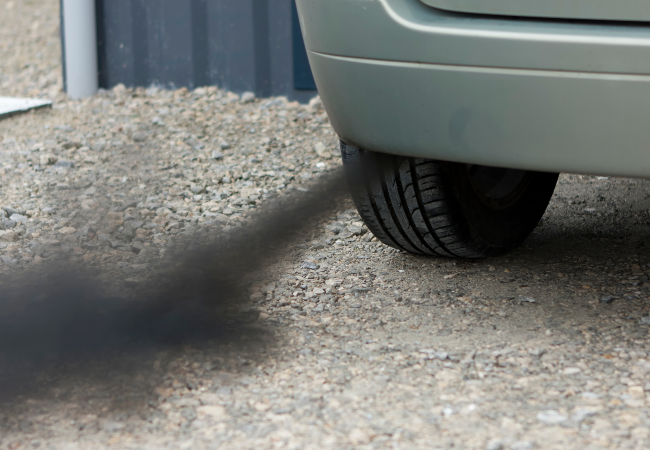
- Excessive exhaust smoke.
- Unusual rattling from underneath the vehicle.
- Engine overheating warnings.
Continuing to drive with a severely damaged catalytic converter risks complete system failure. It also risks potentially dangerous exhaust gas emissions entering the cabin.
How to Fix the Catalytic Converter
Addressing catalytic converter problems requires systematic diagnosis and repair:
Immediate Checks
Inspect for obvious exhaust leaks by looking for black soot marks around joints and connections. Check engine oil levels and condition, as oil contamination can damage the converter. Note any unusual exhaust smoke or strong odours during operation.
Professional Diagnosis
Qualified technicians use specialised diagnostic equipment to:
- Read engine management error codes.
- Test oxygen sensor functionality and readings.
- Check exhaust gas temperature and composition.
- Perform catalyst efficiency tests.
- Check for exhaust system leaks and damage.
Common Repair Solutions
Sensor Replacement: Faulty oxygen sensors often cause false catalytic converter warnings. Replacing these sensors typically costs £100-£300 and resolves many issues.
System Cleaning: Professional catalyst cleaning services can remove carbon deposits and restore efficiency in moderately affected converters, costing around £150-£400.
Exhaust Repairs: Fixing leaks, replacing damaged pipes, or repairing mounting brackets addresses structural problems that affect converter operation.
Converter Replacement: Severely damaged converters must be replaced. Original equipment parts cost around £500–£2,000, while aftermarket options are more affordable.
How to Turn Off the Catalytic Converter Warning Light
The warning light automatically extinguishes once you resolve the underlying problem and the system completes its diagnostic cycle. If you clear diagnostic codes without fixing the root cause, the light will usually return. This often happens within a few driving cycles.
Professional diagnostic equipment can reset the system after repairs, but the light will reappear if problems persist.
When to Seek Professional Help
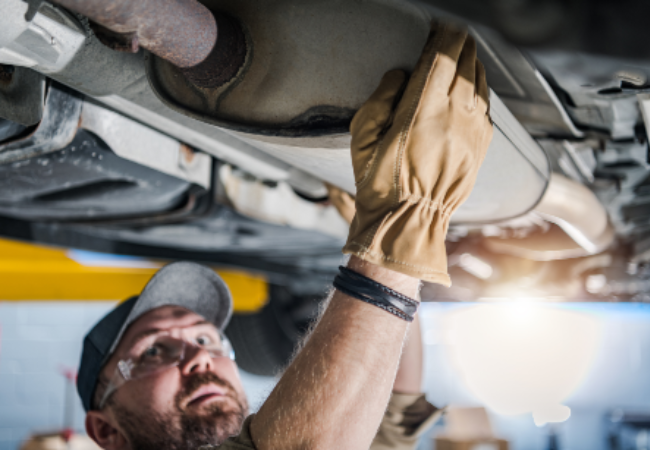
Catalytic converter diagnosis requires specialised knowledge and equipment beyond typical DIY capabilities. The interconnected nature of modern emission control systems makes professional assessment essential for accurate problem identification.
Seek immediate professional help when:
- MOT failed due to high emissions.
- Warning light appears with other dashboard lights.
- Strong exhaust odours or excessive smoke.
- Engine performance deteriorates significantly.
- Uncertain about symptoms or diagnostic results.
Preventive Maintenance: Protecting Your Catalytic Converter
Regular maintenance helps extend the life of your catalytic converter and prevents premature failure.
- Quality Fuel Usage: Use reputable petrol stations and occasionally premium fuel to help maintain the fuel system. Avoid cheap, unknown sources that may contain contaminants.
- Regular Oil Changes: Follow oil grades and intervals recommended by the manufacturer. Old or contaminated oil can damage seals and enter the exhaust system.
- Address Engine Problems Promptly: Fix misfiring, rough idling, or performance issues immediately. This can help prevent unburnt fuel from damaging the converter.
- Longer Driving Trips: Drive your vehicle on longer journeys occasionally to allow the exhaust system to reach optimal temperatures. This helps reduce carbon deposits naturally.
- Professional Servicing: Include emissions system checks during regular services, and address any concerns before they develop into serious problems.
Understanding MOT Implications
Catalytic converter problems directly affect MOT results. UK regulations require vehicles to meet strict emissions standards, and a faulty converter typically results in test failure.
MOT testers check for:
- Converter present (if originally fitted).
- Emissions within legal limits.
- Exhaust system integrity and mounting.
- Status of warning lights during the test.
Plan repairs well before your MOT test date, as some fixes require multiple driving cycles to complete system diagnostics.
Don’t Risk Your Vehicle’s Compliance
Catalytic converter problems affect both vehicle performance and legal roadworthiness.
Whilst the warning light might seem less urgent than other dashboard alerts, ignoring it risks MOT failure. It can also lead to increased fuel consumption and potential fines for excessive emissions.
Early intervention typically costs significantly less than complete system replacement.
A faulty oxygen sensor repair might cost £200. Neglecting the problem could lead to converter replacement costing over £1,000.
Take the warning seriously and seek a professional diagnosis. This will help identify the most cost-effective solution for your specific situation.
Need Help with Your Catalytic Converter?
If your catalytic converter warning light has appeared or you’ve noticed emissions-related symptoms, don’t delay action.
Call our Service Team on 01405 801801 to book a comprehensive diagnostic check. This will help ensure your vehicle remains roadworthy and compliant.