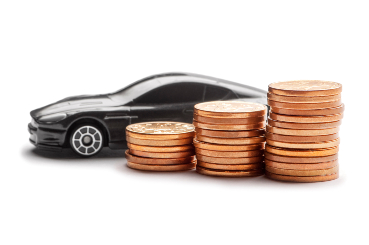

When you buy a car, it is easy to focus entirely on the monthly payments, the insurance quote, or how good it looks sitting on your driveway. Yet there is another major financial factor ticking away in the background from the moment you drive off the forecourt: depreciation.
While every vehicle loses value over time, the rate at which yours drops is surprisingly flexible. A few consistent, sensible habits can protect thousands of pounds of your hard-earned money. Here is your definitive guide to keeping your car in prime condition and securing the best possible price when the time comes to sell or part-exchange.
Why resale value matters more than most drivers realise
Depreciation is quietly the single largest running cost of motoring, often swallowing more money over three years than fuel, tax, and insurance combined. Most drivers only think about their vehicle’s worth on the day they decide to change it, but by then, the damage is already done.
Adopting small, protective habits throughout your ownership journey shields your investment. By maintaining your vehicle thoughtfully, you are not just caring for your everyday transport; you are actively locking in cash that will serve as your deposit for your next car.
Keep a full, unbroken service history
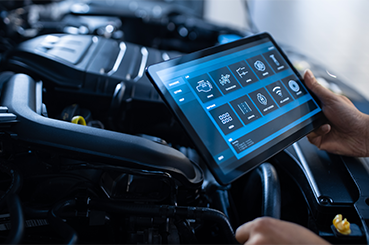
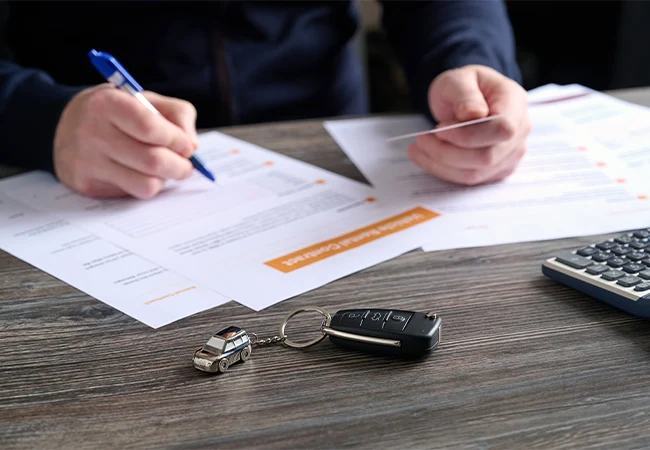
If there is one item that makes a prospective buyer reach for their wallet without hesitation, it is a folder containing a complete, unbroken service history. Whether recorded via traditional physical stamps in your logbook or logged digitally with the manufacturer, proof of regular maintenance is non-negotiable for premium prices.
Having your vehicle maintained by a main dealer or an approved service centre shows that qualified technicians have cared for it using original or OEM-equivalent parts. Buyers gladly pay a premium for this documentation because it transforms a mystery purchase into a transparent, low-risk investment.
Protect the transferable warranty
Many modern vehicles come with generous manufacturer warranties that span five, seven, or even ten years. If you decide to upgrade your car before this period expires, that remaining cover transfers directly to the next owner, acting as an unbeatable selling point.
To keep that warranty valid, you must stick strictly to the manufacturer’s approved servicing schedules and guidelines. The exact same rule applies to aftermarket paint protection coatings or extended mechanical cover with transferable policies. Keep the paperwork safe, because a valid warranty lets you command a higher asking price.
Watch your mileage against the average
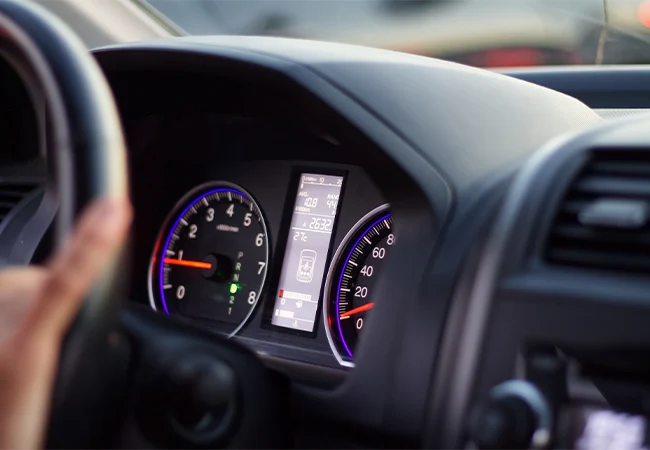
Mileage is one of the primary figures an appraiser checks when valuing your vehicle. In the UK, the benchmark for average annual usage sits between 8,000 and 10,000 miles.
If your vehicle sits comfortably below this range, its value will enjoy a healthy boost. Conversely, pushing significantly past 10,000 miles a year speeds up depreciation. If you use your car for work or long road trips, try to balance heavy driving periods with local trips, or consider alternative transport when practical to keep the odometer reading balanced.
Protect the paintwork and bodywork
First impressions carry immense emotional and financial weight. A car with gleaming paintwork and immaculate wheels suggests to a buyer that the mechanical parts under the bonnet have been treated with equal respect.
Wash your car regularly to prevent grime from building up, and address stone chips and kerbed alloy wheels promptly. Ignoring minor cosmetic damage allows rust or corrosion to take root, turning a quick touch-up job into an expensive body shop repair that cuts directly into your final resale price.
Look after the interior
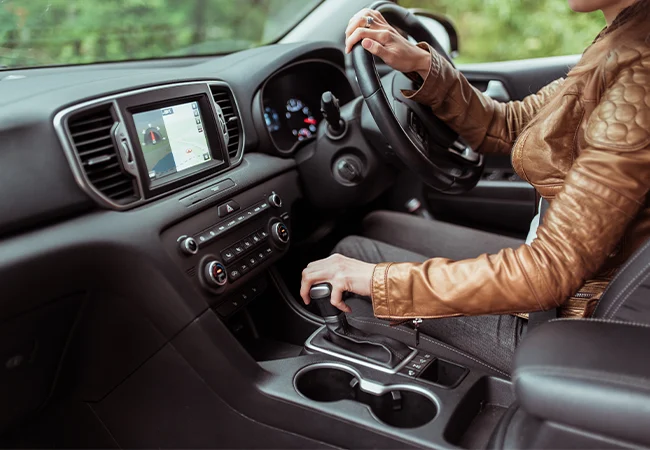
You might spend your time looking out at the road, but a prospective owner will spend their test drive inspecting every corner of the cabin. Stains on the upholstery, tears in the leather, or damaged trim panels instantly drive down valuations.
Substances like smoke and pet odours are notoriously difficult to eliminate and will alienate a huge portion of potential buyers. Investing in a cheap set of fitted floor mats and a sturdy boot liner acts as brilliant, inexpensive insurance. They absorb the daily wear, mud, and spillages, keeping the underlying carpet in showroom condition.
Stay on top of tyres, brakes and MOT history
Before anyone comes to inspect your car in person, they will almost certainly check its MOT history online. A clean record free from repeated advisories for worn tyres, corroded brake discs, or suspension issues builds instant trust.
Ensure your tyres maintain healthy, legal tread depth and try to stick to matching sets from reputable brands rather than a mismatched bargain bin selection. Premium, well-maintained rubber and fresh brake pads signal that you have never cut corners on essential safety maintenance.
Battery health on electric and hybrid cars
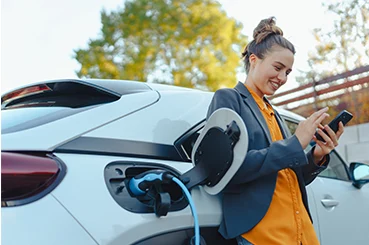
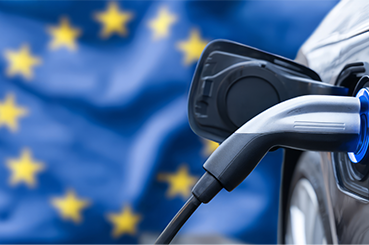
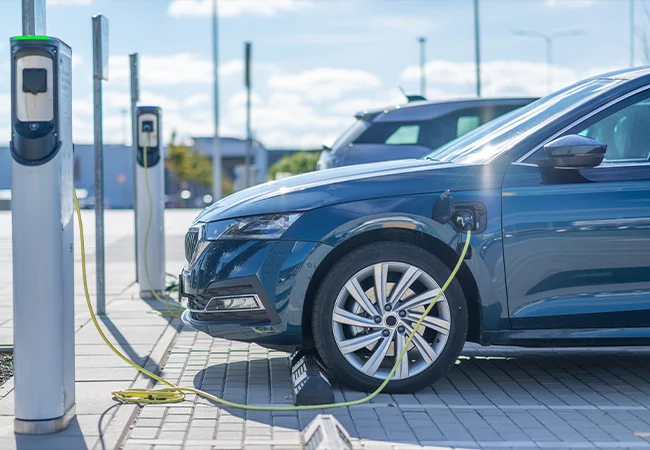
For buyers entering the second-hand electric vehicle (EV) or hybrid market, the condition of the traction battery is their single biggest concern. Because the battery pack is the most expensive component in the vehicle, proving its health is key to getting top value.
Providing an official State of Health (SoH) diagnostic report from a dealer gives buyers complete peace of mind. You can protect this battery health during your ownership by following everyday charging best practices: stick to standard 80% routine charging for daily driving, and save rapid DC charging for long motorway journeys.
Keep it standard, or keep the original parts
Personalising your car with aftermarket exhausts, lowered suspension, or dark window tints might match your taste, but it drastically narrows your pool of future buyers. Most second-hand shoppers prefer a car that looks exactly as it did when it left the factory.
Stick to manufacturer-approved accessories such as official roof bars or mudflaps, which do not hurt valuations. If you do decide to upgrade components like your stereo or wheels, keep the original factory parts in your garage so you can revert the car to stock before selling.
Choose colours and specs that hold value
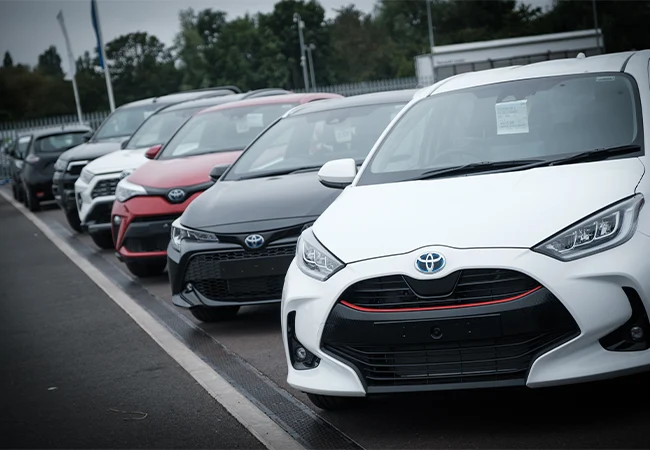
If you are buying a new or nearly new car with an eye on its future resale value, choose your specification wisely. Neutral paint colours such as grey, black, white, and silver consistently command the highest demand on the used market, whereas bold custom shades can prove tricky to sell.
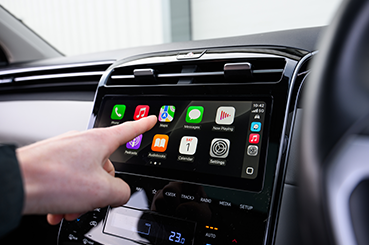
Equally, invest in options that buyers actively filter for on car-buying websites. Integrated sat-nav, parking sensors, heated seats, adaptive cruise control, and smartphone integration (such as Apple CarPlay) are always in demand and help your vehicle stand out from lower-spec alternatives.
Keep the paperwork together
A well-organised history folder is a powerful sales tool. Keep your V5C logbook, service invoices, receipts for replacement parts, previous MOT certificates, user handbooks, and spare keys neatly filed together.
Do not forget small essentials like the locking wheel nut key. Presenting a complete, pristine paperwork pack demonstrates transparency and meticulous care, giving the buyer absolute confidence to pay your asking price without tedious haggling.
Smaller details that quietly add value
- Keep the parcel shelf or load cover. Missing ones are surprisingly costly to replace, and buyers notice immediately.
- Keep the original tool kit, jack, tyre repair kit and locking wheel nut key. A missing wheel nut key can stall a sale entirely.
- Keep the second key. Cutting and coding a replacement is expensive, and buyers deduct more than it costs.
- Keep the original alloys if you switch to winter wheels, and ask the tyre fitter to use alloy-safe equipment.
- Have door dings removed by paintless dent repair. It is cheap, and it avoids the mismatched panel a cheap respray leaves behind.
- Wash off bird lime, tree sap and winter road salt quickly. All three etch or corrode the finish if left to sit.
- Park in shade or use a screen where you can. Sun-faded dashboards and sagging roof linings are hard to undo.
- Have the cambelt changed on schedule and keep the invoice, where your engine has one. Buyers actively search for it.
- Give diesels a regular longer run to keep the DPF clear, and keep the AdBlue topped up.
- Take a removable towbar off before you sell. A fixed towbar suggests a hard-working life to some buyers.
- Do not let the car sit unused for months. Flat-spotted tyres, seized brakes and a flat battery all show during a test drive.
- Keep recall work up to date and recorded against the VIN. It is free, and it shows up clearly on a history check.
- Take a private plate off well ahead of the sale and keep the retention certificate safely stored.
- Skip heavy air fresheners before a viewing. Buyers read them as covering something up, and the same goes for a freshly steam-cleaned engine bay.
- Keep it in one pair of hands. Fewer previous keepers on the V5C reads far better than a long list.
- Update the navigation maps and software where the car supports it. A car that feels current sells faster.
Time your sale or part-exchange well
Timing is everything when it comes to getting the maximum return on your car. Aim to sell or part-exchange your vehicle shortly before a major service, cambelt change, or MOT inspection is due, saving you from spending money you will not recover.
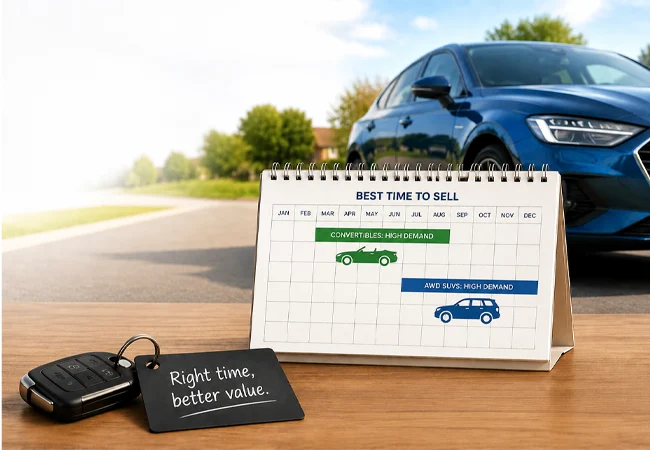
Pay attention to seasonal demand as well. Convertibles sell for premium prices in spring and summer, whereas all-wheel-drive SUVs fetch top money as winter approaches. Finally, try to sell before your car crosses major psychological thresholds, such as turning three years old or reaching 60,000 miles, as values often dip more sharply past these points.
Know what your car is worth before you trade
Before you step onto a forecourt or list your car for sale, you need a clear, realistic baseline valuation. Knowing exactly what your vehicle is worth in the current market puts you in full control of the process.
You can easily get a free online part-exchange valuation with no obligation to sell. Using an accurate valuation helps you budget effectively, structure your finance options, and plan your next vehicle purchase with total confidence.
Ready to find out what your current car is worth?