
Have you ever started your car and noticed a small light bulb icon glowing on the dashboard? That’s your bulb warning light, a feature designed to alert you when one or more of your vehicle’s lights isn’t working as it should. In this guide, we’ll explore what the bulb warning light means, when it comes on, how it works, and how to turn off the bulb warning light by replacing the bulb.
What Does the Bulb Warning Light Look Like?
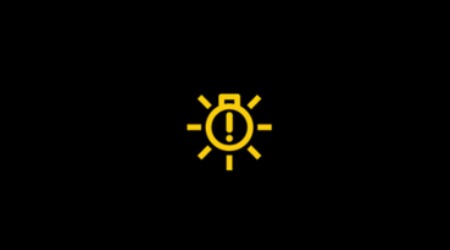
Drivers will usually recognise this symbol as a small icon shaped like a traditional bulb.
In many vehicles, it appears in yellow or amber, often with an exclamation mark to indicate a general fault.
While the design can differ slightly between manufacturers, the message remains the same, a light somewhere on your vehicle isn’t functioning properly. Some newer cars even specify which bulb has failed through the dashboard display.
Where Is the Bulb Warning Light?
You’ll find this warning on your dashboard instrument cluster, typically among other system alerts such as the oil pressure and brake warning lights.
It activates automatically when the ignition is switched on and will remain visible if a fault is detected. Once the issue is resolved, the warning will usually disappear on its own after restarting the car or driving briefly.
When Does the Bulb Warning Light Come On?
This symbol illuminates when your car’s onboard system identifies a problem with one or more of your external lights. Common triggers include a burnt-out headlight, brake light, tail light, fog light, or indicator.
Modern vehicles continuously monitor the voltage and resistance across lighting circuits. When a bulb blows or a circuit becomes disrupted, the change is detected instantly, causing the bulb warning light to appear.
What Should I Do If It Turns On?
If your yellow or amber bulb warning light appears, it’s best to act quickly:
- Find a safe place to stop. Pull over safely when traffic allows.
- Check your lights. Walk around your car to identify any bulbs that aren’t working, be sure to test brake lights and indicators too.
- Replace any failed bulbs. If you have spares or access to a nearby parts store, you can fit replacements straight away.
- Inspect for corrosion or water damage. Sometimes, the issue stems from poor electrical contact.
- Restart the car. Once the problem is fixed, restart the vehicle, this often clears the warning automatically.
If the bulb warning light stays on despite all bulbs working, it could indicate a wiring issue or a faulty sensor, and a mechanic should take a closer look.
Can I Still Drive With the Bulb Warning Light On?
Although your car may still run normally, driving with a lighting fault can be unsafe and potentially illegal.
UK road laws require that all external lights are operational, and failing to comply can result in a fine or MOT failure.
If your vehicle’s lights are not working properly, fix the issue as soon as possible to ensure you remain visible and compliant with road safety standards.
What Types of Lights and Bulbs Are on Cars?
Vehicles use several types of exterior bulbs, each serving a different purpose. The most common include:
- Headlights – Main beams and dipped beams for visibility.
- Brake lights – Illuminate when braking to alert drivers behind.
- Tail lights – Stay on when headlights are activated.
- Indicators – Signal turns or lane changes.
- Fog lights – Improve visibility in mist or fog.
- Reversing lights – Help illuminate the area when reversing.
- Number plate lights – Keep your registration visible at night.
Some modern cars also use LED or Xenon (HID) bulbs, which can last longer, but with an increase in price over standard bulbs.
However, it is very common to find Halogen bulbs if your car is older, if you do, note that it is illegal to install HID headlights if your car originally has Halogen ones installed.
How to Check What Type of Bulb Is Needed for Your Car
To find out which bulb you need, there are several reliable methods:
- Consult your owner’s manual – This lists all bulb types and wattages.
- Use online registration tools – Many websites allow you to enter your number plate to find compatible bulbs instantly.
- Check the existing bulb – The size and code are often printed on the base of the bulb itself.
Where to Go for Replacement Parts
Replacement bulbs can be purchased from a wide range of outlets. Auto parts shops, main dealerships, and online retailers can all stock bulbs suitable for most vehicles.
When shopping online, always double-check the part compatibility using your vehicle registration number or manufacturer specifications. This helps ensure you get the correct fit and brightness level for your car.
Can I Install Replacement Bulbs Myself?
Yes, in most cases, many car bulbs can be replaced without specialist tools or experience. However, access to some bulbs (particularly headlights) can be tricky on certain models. If you’re comfortable working with simple car maintenance, it’s entirely possible to fit them yourself.
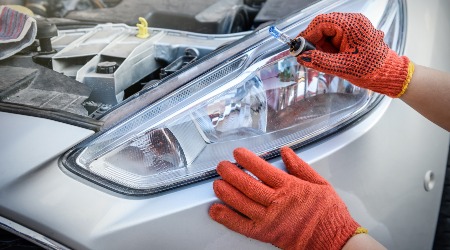
Step-by-Step Guide to Replacing a Bulb
- Switch off your car and lights – Safety first, always work on a cool, powered-off vehicle.
- Open the bonnet or boot – Locate the rear of the light cluster.
- Remove the cover or housing – This may involve unscrewing or unclipping.
- Disconnect the faulty bulb – Gently twist or pull the old bulb out.
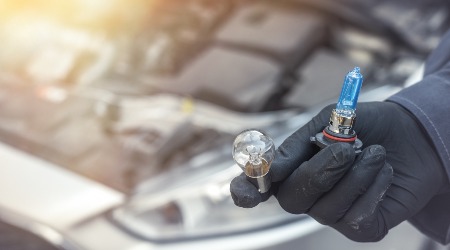
- Insert the new bulb – Avoid touching the glass directly – use gloves or a clean cloth.
- Secure everything back in place – Reattach the housing and test the light.
- Restart the vehicle – The bulb warning light should now turn off automatically.
What If I’m Not Comfortable Replacing the Bulb Myself?
If DIY car maintenance isn’t for you, there’s no need to worry. Most garages, service centres, and parts retailers offer bulb fitting services, often while you wait. These services ensure that bulbs are fitted correctly, preventing future issues or damage to electrical components.
If you are unable to find a bulb at a motoring accessories and parts store, it’s worth visiting your local garage as they will usually be able to fit it as well.
The bulb warning light is a small but vital reminder to check your vehicle’s lights and stay safe on the road. Understanding when it comes on and how it works helps you respond quickly before minor issues become major ones.
Whether you choose to replace a bulb yourself or visit a professional, acting promptly ensures your car remains visible, compliant, and ready for any journey.
If your warning light is indicating a problem, contact our service team on 01405 801801 today.
If you have concerns about any concerns about your other Dashboard Warning Lights, take a look at our overall blog.