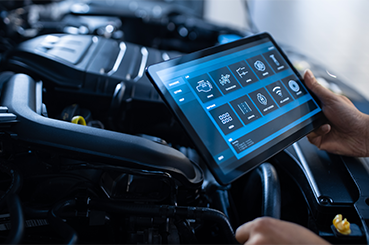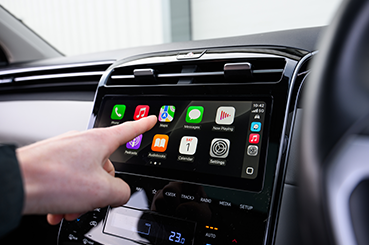

This guide is for those who appreciate that a car is more than a way to get from A to B—it’s a private concert hall, a podcast studio, and a sanctuary from the M1. In 2026, the sound system in car interiors has evolved from a basic radio into a sophisticated acoustic environment.
While you can always look into a third-party car sound system installation, this blog focuses exclusively on the systems that come fitted from the factory. We’re looking at the difference between a standard factory-fitted sound system and the high-end premium audio upgrade options available in showrooms today.

Why Your Car’s Sound System Matters
For many UK drivers, the commute is the only time of day they can truly enjoy music without distraction. The best car audio system doesn’t just play music louder; it reduces listening fatigue on long journeys and enhances the clarity of your Bluetooth car sound system calls.
Whether it’s the punch of a subwoofer for car enthusiasts or the crisp highs of a high-end tweeter, a well-tuned system can transform the “feel” of a vehicle, making even a budget-friendly hatchback feel like a premium lounge.
Standard vs Premium: What’s the Difference?
Most manufacturers—from Vauxhall to Hyundai—structure their audio offerings in two tiers:
Standard Factory-Fitted Sound System
This is the “out-of-the-box” setup. It usually consists of 4 to 6 speakers and a basic car stereo integrated into the dashboard. While fine for the news or a quick podcast, these original factory-fitted sound systems often lack a dedicated car subwoofer, meaning the bass can sound “thin” at higher volumes.
Premium Audio Upgrade
This is a paid optional extra or a trim-level inclusion (often found on the top-spec models of brands like Kia or Mazda). These systems are developed with specialist hi-fi brands and typically feature:
- 10 to 20+ speakers positioned for “surround sound.”
- Higher wattage amplifiers for distortion-free volume.
- Advanced digital processing to “stage” the music.
The Big Names: A Guide to Factory-Fitted Audio Brands
If you’re browsing a UK configurator for your next Toyota, Volvo, or Ford, you’ll likely see these names. Specs can vary between the UK and other markets, so always double-check the specific trim level on the manufacturer’s UK website.
| Brand | Partnership Details |
| Harman Kardon | A staple for balanced sound, appearing in several Volvo, Renault, and Polestar models. |
| JBL | Owned by Harman, JBL provides the high-energy car sound system found in many Toyota and Honda vehicles, as well as the Abarth 500e. |
| Bowers & Wilkins | The pinnacle of clarity. You’ll find these top-tier systems in Volvo, Polestar, and Aston Martin models. |
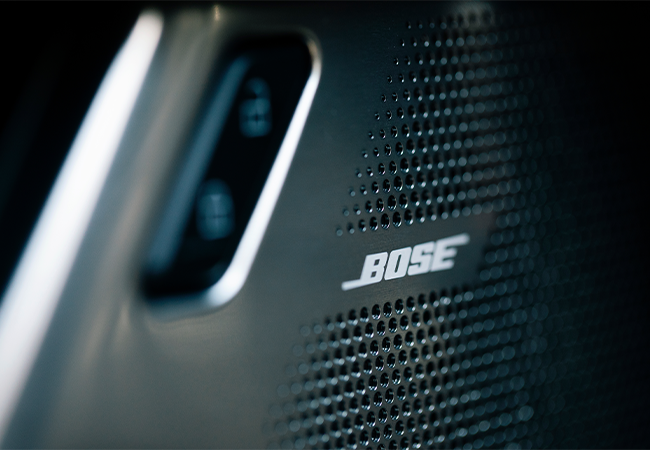
| Bose | Known for consistency and power, Bose is a popular premium audio upgrade for Mazda, Nissan, and MG. |
| Meridian | A British icon based in Huntingdon. While famous for Land Rover, they also provide the incredible 14-speaker setups in the Kia EV6 and EV9. |
| Bang & Olufsen (B&O) | These high-design systems are featured in luxury brands like Aston Martin, and also provide the “B&O Play” experience in many Ford models. |
| Mark Levinson | Exclusive to Lexus, these systems are widely considered some of the best car sound systems ever put into a production vehicle. |
| Burmester | The gold standard for luxury, specifically featured in high-end Mercedes-Benz and Porsche models. |
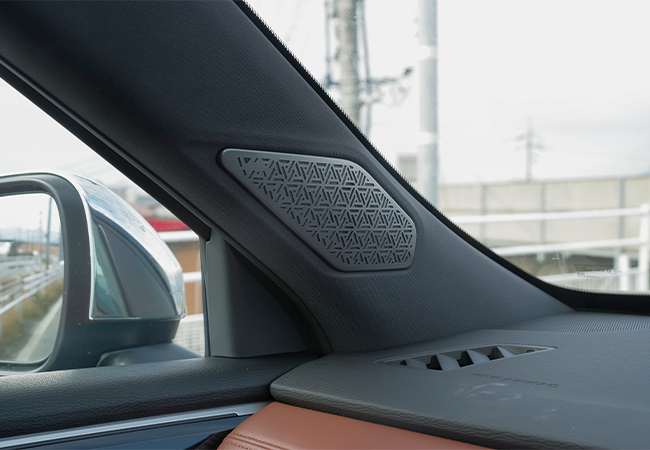
Key Specs to Check: Speakers, Watts, and Sound Staging
When comparing car sound systems, don’t just look at the speaker count. Here is what actually matters:
- Sound Staging: This is the magic of making the music sound like it’s coming from the dashboard rather than the door pockets.
- Subwoofers: A dedicated car subwoofer handles the low frequencies. A system with a “subwoofer for cars” will always sound fuller than one without.
- Wattage: This indicates the power. Higher wattage doesn’t just mean “louder”—it means the car stereo can play music clearly without “clipping” or distorting.
How Cabin Acoustics Affect Sound Quality
An original factory-fitted sound system has one massive advantage over an aftermarket car sound system upgrade: it was designed for that specific interior.
Manufacturers like Peugeot or Nissan tune their audio based on the cabin’s materials. Fabric seats absorb sound, while glass reflects it. A premium system uses software to compensate for these “acoustic traps,” ensuring the best sound system for a car matches the shape of its cabin perfectly.
Is It Worth Paying Extra?
Is a premium audio upgrade worth it?
- YES: If you commute daily, value high-fidelity music, or use high-quality streaming services. It also helps with the car’s resale value.
- NO: If you mainly listen to talk radio or short “school run” trips, the standard factory-fitted sound system in cars from Dacia, Citroen, or Suzuki is perfectly adequate.
Our Verdict: The Best-Sounding New Cars Right Now
If audio is your priority, these are the standout performers currently in UK showrooms:
- Volvo & Polestar (Bowers & Wilkins): Still the benchmark for “studio” sound in an SUV or saloon.
- Lexus (Mark Levinson): Unmatched for pure, natural acoustic reproduction.
- Kia (Meridian): The EV9’s Meridian system is one of the best car sound systems available in the electric market.
- Ford (B&O): Offers some of the best value-for-money audio upgrades in the hatchback and crossover segments.
- CUPRA (Sennheiser): A new entry for 2026, providing a fresh, immersive “spatial” audio experience.