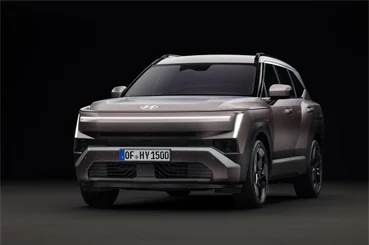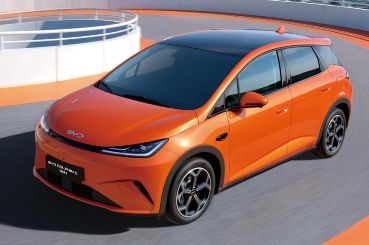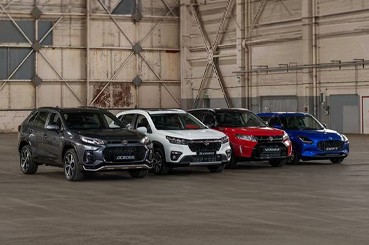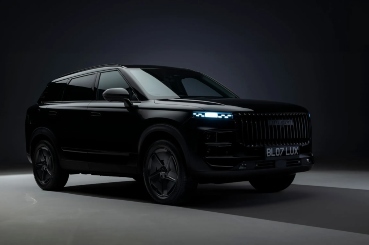

In today’s climate-conscious world, eco-friendly cars are transforming our roads, offering a greener future while actively reducing carbon emissions. As global warming concerns intensify, these vehicles present practical solutions for UK drivers seeking to minimise their environmental impact.
From familiar hybrid technologies to cutting-edge hydrogen fuel cells, the automotive industry is evolving rapidly to improve local air quality. This blog explores the various green vehicle options available today, highlighting how each technology contributes to a more sustainable transport ecosystem.
By embracing these innovations, we are collectively driving towards a future where personal transportation and environmental responsibility coexist harmoniously.
Hybrid Vehicles: The Gateway to Greener Driving
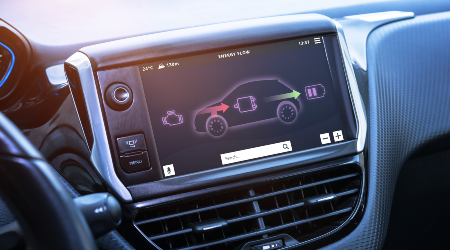
Hybrid Electric Vehicles (HEVs) represent a significant step forward, combining a traditional petrol or diesel engine with a compact electric motor.
How They Work
These clever vehicles capture energy that would otherwise be lost during braking through regenerative braking systems, storing it in a small onboard battery for later use. This engineering results in vastly improved fuel efficiency and a reduced environmental impact compared to conventional vehicles.
Why Choose a Hybrid?
- No Plugs Required: Drivers do not need to change their habits or rely on charging infrastructure; the car seamlessly alternates between electric power and petrol.
- Urban Efficiency: Hybrids excel in stop-start city traffic, where the electric motor does most of the heavy lifting, considerably reducing tailpipe emissions in acute air quality zones.
- Easy Transition: It is the most accessible, compromise-free stepping stone to greener driving.
Plug-In Hybrid Electric Vehicles: Bridging Two Worlds
Plug-In Hybrid Electric Vehicles represent the next evolutionary step, bridging the gap between conventional hybrids and fully electric cars.
The Best of Both Worlds
PHEVs feature much larger battery packs than standard hybrids. This gives them 20–50 miles of pure electric range, easily covering the average UK daily commute. For longer journeys, the petrol engine kicks in automatically, entirely eliminating range anxiety.
Environmental Note: The true carbon footprint of a PHEV largely depends on your charging habits. To maximise their environmental benefits and keep emissions low, they need to be plugged in and charged regularly rather than running solely on petrol.
Battery Electric Vehicles: Zero Emission Driving
Battery Electric Vehicles represent the vanguard of environmentally friendly transport, offering completely zero-emission driving at the point of use.
Driving Without a Tailpipe
Operating solely on electricity stored in large battery packs, BEVs eliminate internal combustion engines entirely. The result is a whisper-quiet, smooth driving experience that removes direct carbon emissions from the driving equation.
Charging and Range in the UK
- Modern Range: Previous concerns around range anxiety are fast becoming a thing of the past, with many modern EVs easily offering 250 to 300 miles per charge.
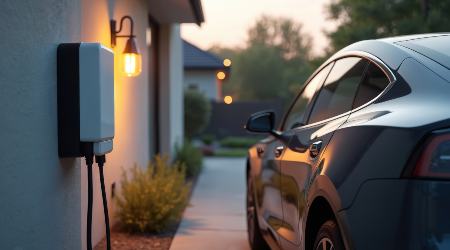
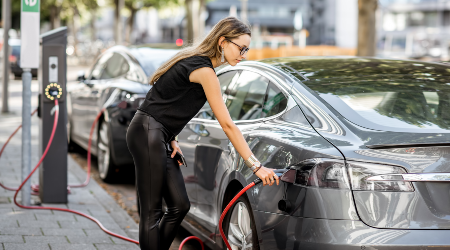
- The UK Network: The rapid charging network across Britain is expanding daily, making long-distance travel increasingly practical, while home wallboxes provide convenient overnight charging.
- Grid Decarbonisation: As the UK grid incorporates more renewable energy (like wind and solar), the total lifecycle footprint of driving an EV continues to plummet.
Hydrogen Fuel-Cell Vehicles: Water as the Only Emission
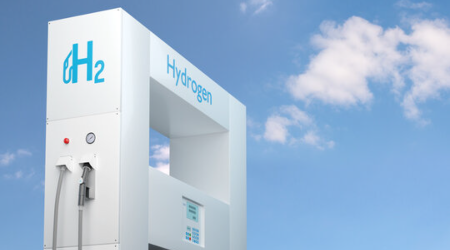
Hydrogen fuel-cell cars represent one of the most fascinating frontiers in automotive technology. Instead of using a large battery, these vehicles generate electricity onboard through a chemical reaction between hydrogen and oxygen.
Performance and Refuelling
The driving experience closely mirrors conventional cars. Models like the Toyota Mirai and Hyundai NEXO can travel 300 to 400 miles on a single tank and refuel at a dedicated pump in just 3 to 5 minutes.
| Pros of Hydrogen | Current Challenges |
| Zero emissions (only water vapour from the tailpipe) | High vehicle production costs |
| Rapid refuelling times | Extremely limited UK refuelling infrastructure |
| Long driving ranges | Requires green hydrogen production to be truly sustainable |

Solar-Powered Vehicles: Harnessing the Sun’s Energy
Solar-powered cars directly harness renewable energy from the sun by integrating photovoltaic panels into the vehicle’s bodywork.
While fully solar-powered production cars remain rare due to physics and efficiency limitations, pioneering models like the Lightyear 0 incorporate solar roofs that supplement the main battery. In sunny conditions, these panels can add useful miles of “free” range, reducing dependence on the grid. While less effective in the typically overcast UK climate, it remains an exciting secondary technology.
Wind Power and Automotive Innovation: Indirect Benefits
While we aren’t quite at the stage of putting sails on car roofs, wind energy is the silent hero of the electric vehicle (EV) revolution.
Here is how wind power is actually “fueling” the move to greener driving:
- A Cleaner Ecosystem: As the UK’s energy mix shifts further towards offshore and onshore wind, the act of simply plugging in your car becomes a major win for the planet.
- Powering the Grid: While “wind-powered cars” are still mostly conceptual, wind energy is a massive contributor to the renewable electricity used to charge EVs across the UK.
- The “True” Carbon Footprint: An electric vehicle is only as green as the electricity used to charge it. By using wind-generated power, drivers can significantly lower the total environmental impact of their car.
- Smart Charging: Many eco-conscious owners now opt for renewable energy tariffs. This ensures that every mile driven is backed by wind power rather than fossil fuels.

Innovative charging stations are now being paired with small-scale wind turbines, creating self-sufficient, genuinely green charging points.
While built-in wind turbines are unlikely to become commonplace, the link between wind power and electric mobility will only grow as we move towards a greener future.
Embracing a Greener Automotive Future
The eco-friendly automotive landscape offers remarkable diversity. From accessible hybrids to zero-emission electric vehicles, these options represent a fundamental shift in how we view transportation. Choosing the right technology ultimately depends on your personal driving patterns, budget, and local infrastructure access.
Crucially, the switch directly supports the UK Government’s Net Zero Strategy, helping ensure personal mobility and environmental responsibility go hand in hand.
This information was accurate at the time of writing.