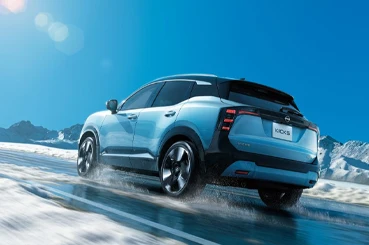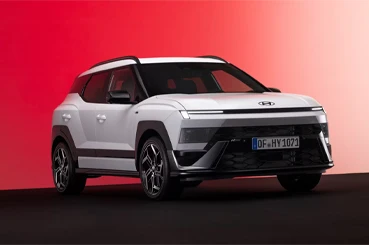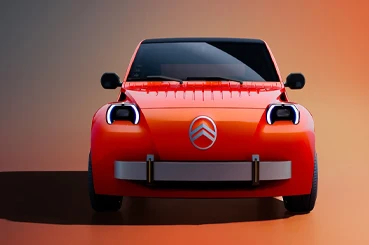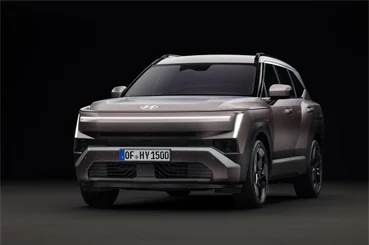

Is it just us, or are cars getting… massive?
If you’ve ever held your breath while squeezing through a narrow British high street or spent ten minutes trying to nudge a modern SUV into a “standard” supermarket space, you know the feeling. While most manufacturers are making vehicles bigger, heavier, and more complicated, Suzuki is doing something radically different.
It’s all based on a uniquely Japanese philosophy called Sho-Sho-Kei-Tan-Bi. It might be a mouthful, but for UK drivers, it’s a breath of fresh air. It’s a commitment to engineering that prioritises simplicity, agility, and common sense. Here’s how this “less is more” approach is actually giving drivers more of what they actually need.

What is Sho-Sho-Kei-Tan-Bi?
The phrase Sho-Sho-Kei-Tan-Bi translates to five guiding principles:
- Sho (Smaller)
- Sho (Fewer)
- Kei (Lighter)
- Tan (Shorter)
- Bi (Beauty)
Together, they define Suzuki’s commitment to simplicity, efficiency, and user-focused design. Rather than chasing trends like oversized SUVs or overly complex tech systems, Suzuki refines what truly matters to drivers.
Smaller (Sho): Built for Real UK Roads
Anyone who has navigated narrow British streets or squeezed into a tight car park knows the value of a compact car. Suzuki embraces this reality.
Models like the Suzuki Swift and Suzuki Ignis are designed with a smaller footprint, making them perfect for urban driving. Yet, step inside, and you will notice something surprising. These cars feel far more spacious than their size suggests.
Clever interior packaging ensures that drivers and passengers enjoy comfort without the bulk. It is proof that small cars do not have to feel cramped.
For commuters, this means easier parking, less stress in tight spaces, and a more enjoyable daily drive.

Fewer (Sho): Simplicity Over Complexity
Modern cars can often feel overwhelming. Complicated infotainment systems, confusing hybrid terminology, and endless features can leave drivers frustrated rather than impressed.
Suzuki takes a different approach by focusing on fewer unnecessary components and systems. This results in:
- Greater reliability
- Easier-to-use technology
- Lower maintenance costs
Instead of overloading drivers with features they rarely use, Suzuki ensures everything has a purpose. The result is a car that feels intuitive from the moment you get behind the wheel.
Lighter (Kei): Efficiency Through Smart Engineering
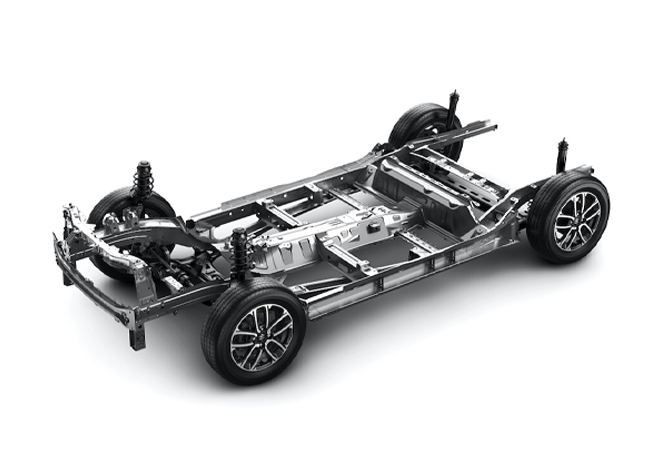
Weight plays a crucial role in how a car performs. Heavier vehicles require more energy to move, which impacts both fuel economy and handling.
Suzuki’s solution is simple but effective. By using advanced materials such as high-tensile steel, the brand reduces vehicle weight without compromising safety.
Cars like the Suzuki Vitara benefit greatly from this approach. A lighter car means:
- Better fuel efficiency
- Lower emissions
- More responsive handling
Rather than relying solely on large batteries or complex hybrid systems, Suzuki achieves efficiency through intelligent design. This makes their vehicles particularly appealing to eco-conscious drivers looking for practical, real-world savings.
Shorter (Tan): Agility Beyond the Road
The principle of Tan, or “shorter”, goes beyond physical design. It reflects how Suzuki operates as a company.
Shorter decision-making processes mean the brand can respond quickly to customer needs and market changes. This agility ensures that:
- New technologies remain relevant
- Features are practical, not gimmicky
- Drivers benefit from continuous improvements
For buyers, this translates into cars that feel current, useful, and well thought out, rather than overloaded with outdated or unnecessary innovations.
Beauty (Bi): Designed Around the Driver
At Suzuki, beauty is not just about how a car looks. It is about how well it performs in every aspect of ownership.
A truly “beautiful” car must meet high standards across:
- Performance
- Quality
- Cost efficiency
- Reliability
- Safety
This philosophy ensures that every Suzuki vehicle is built with the driver’s best interests in mind. It is not about flashy design alone, but about delivering genuine satisfaction over time.
More Than Just Machines: The Suzuki Mission
While Sho-Sho-Kei-Tan-Bi defines the cars, a deeper philosophy drives the people who build them. Rooted in the Japanese spirit of Yaramaika (which translates to “Let’s do it!”), Suzuki encourages an entrepreneurial “can-do” attitude across the entire company.
This isn’t just corporate talk—it’s a mission established back in 1962 to:
- Focus on the Customer: Every innovation must provide real-world value, not just flashy tech.
- Eliminate Guesswork: Suzuki follows the “Five Gens” principle – Genba (Actual Place), Genbutsu (Actual Thing), Genjitsu (Actual Situation), Genri (Fundamental Principle), and Gensoku (Fundamental Rule) – going to the actual place and looking at the actual thing to solve problems, rather than just theorising in an office.
- Continuous Improvement: A Suzuki is never “finished.” The company believes that by developing the skills of its people, the quality of the cars naturally follows.
Suzuki Engineering in Practice
The Sho-Sho-Kei-Tan-Bi philosophy is not just a theory. It is clearly visible in Suzuki’s engineering innovations.

ALLGRIP All-Wheel Drive
Suzuki’s ALLGRIP system is a great example of practical engineering. Available across different models and needs, it comes in three main forms:
- ALLGRIP Auto: Automatically engages four-wheel drive when needed, ideal for everyday conditions.
- ALLGRIP Select: Allows drivers to switch between modes for different terrains.
- ALLGRIP Pro: Designed for more serious off-road capability.
Unlike heavier, more complex systems found elsewhere, ALLGRIP remains lightweight and efficient, staying true to Suzuki’s core philosophy.
Future-Focused Efficiency: BEV Technology
As the industry moves towards electrification, Suzuki continues to apply Sho-Sho-Kei-Tan-Bi principles to battery electric vehicles.
Rather than producing oversized electric cars with excessive battery weight, the focus remains on:
- Lightweight construction
- Efficient energy use
- Practical driving range
This ensures that future Suzuki models remain accessible, affordable, and environmentally responsible.
Why “Less” Really Is More for UK Drivers
For many drivers in the UK, bigger is not better. Narrow roads, rising fuel costs, and busy urban environments demand smarter solutions.
Suzuki’s philosophy delivers exactly that. By focusing on smaller, lighter, and simpler vehicles, the brand creates cars that are:
- Easier to drive and park
- More economical to run
- Less stressful to own
Whether you are commuting daily, buying your first car, or looking to reduce your environmental impact, Suzuki offers a compelling alternative to the trend of oversized, overcomplicated vehicles.

Experience Suzuki at Stoneacre
Ready to experience a car designed with your best interests at heart?
Our team at Stoneacre is here to show you how Suzuki’s Sho-Sho-Kei-Tan-Bi philosophy translates into a safer, more reliable, and more efficient drive. Visit your local Stoneacre Suzuki showroom today to explore the range, including the Suzuki Swift, Ignis, and Vitara, and discover why sometimes less really is more.