
From its humble beginnings as a gruelling Paris-Dakar trek in 1978, the Dakar Rally has morphed into a global phenomenon, pushing competitors and machines to their absolute limits. Imagine a time when rugged roads were the norm, navigation relied on a compass and grit, and competitors were a fearless motley crew of adventurers, not million-dollar teams. That’s the Dakar Rally’s history, a brutal test of humans and machines traversing continents from Paris to Dakar, Senegal.
We’ll be navigating the sands of time, exploring iconic moments of triumph and disaster, legendary champions, and the death-defying challenges that have cemented the Dakar’s place in motorsports lore. So, let’s peel back the layers and explore its fascinating evolution.
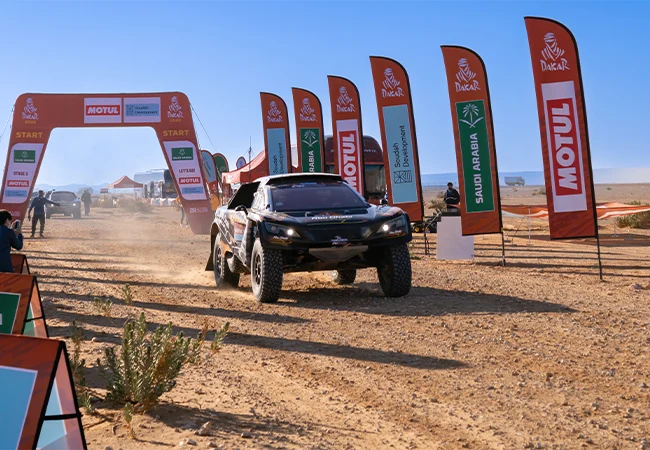
What is the Dakar Rally?
The Dakar Rally is an iconic rally raid competition. Unlike short circuit races, it takes place across vast wilderness areas.
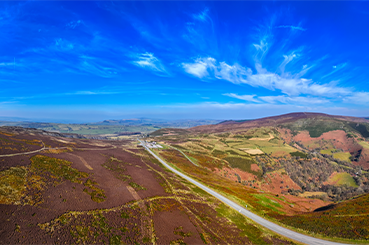
Competitors race against the clock over two gruelling weeks. The route spans thousands of kilometres across deserts, dunes, and mountain passes.
It is far more than a speed test. Success requires physical stamina, mental resilience, and clever strategy. Every stage presents unpredictable environmental hurdles.
How Did the Dakar Rally Start?
French racer Thierry Sabine inspired the creation of the event. In 1977, he got lost in the remote Libyan desert.
He survived the ordeal and fell in love with the landscape. He believed the desert provided the ultimate motorsport location.
Sabine created a permanent race route from Europe to West Africa. The inaugural race set off from Paris in December 1978. It finished successfully in Dakar, Senegal, in early 1979.
The 2008 Cancellation That Changed Motorsport History
For decades, the traditional race ran through North Africa. However, severe security risks threatened the 2008 event.
Direct terror threats in Mauritania forced organisers to act swiftly. They cancelled the race just one day before the start.
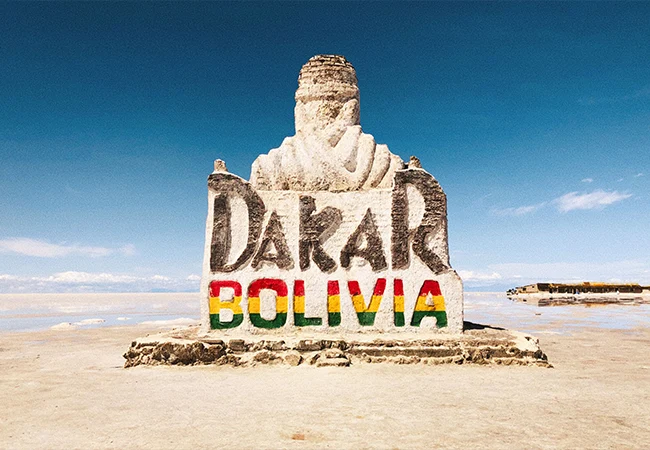
This dramatic decision permanently altered the competition’s future. Organisers moved the rally to South America in 2009. Later, they relocated the event to Saudi Arabia in 2020.
How Far Is the Dakar Rally Route?
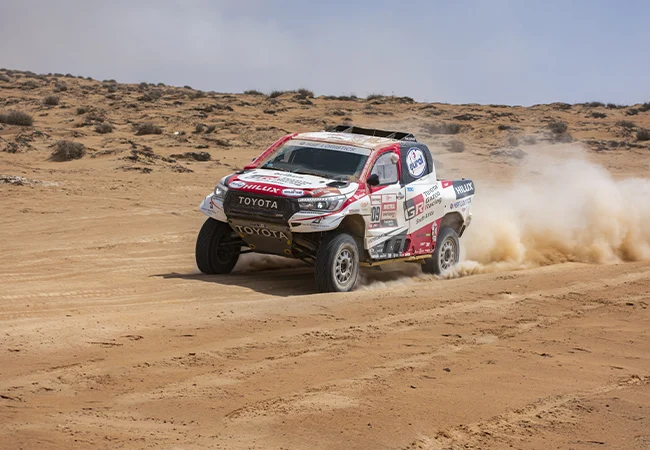
The total distance covered is truly staggering. Participants travel up to 9,000 kilometres over a fortnight.
By comparison, a full Formula 1 season covers about 6,000 kilometres. Individual daily stages can measure over 800 kilometres long.
Drivers spend up to twelve hours in the cockpit each day. The relentless distance exhausts drivers, navigators, and support crews alike.
What Vehicles Compete in the Dakar Rally?
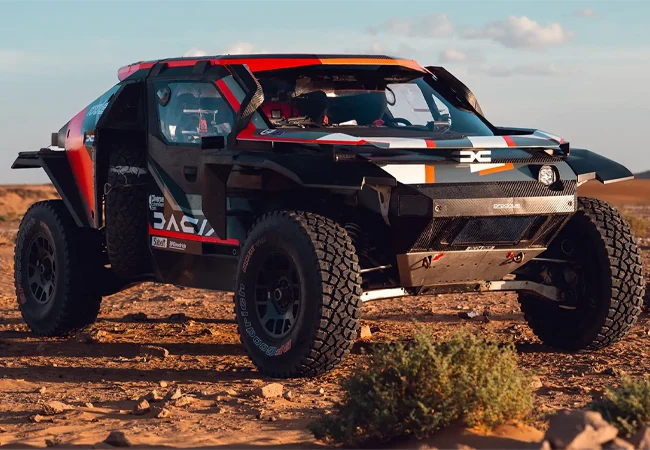
The event includes five distinct vehicle categories. Each class offers unique driving dynamics and technical hurdles.
Motorcycles and quads demand incredible physical effort from riders. Riders must maintain speed while balancing on shifting sand.
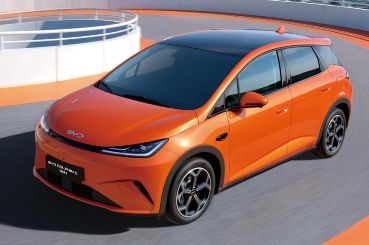
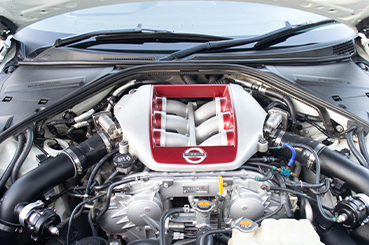
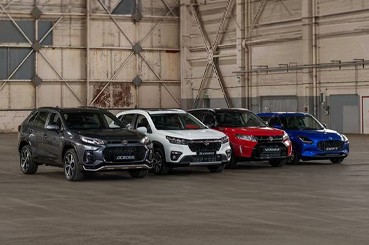
Cars range from custom off-road prototypes to modified production vehicles. World-class manufacturers like Toyota, Ford, Dacia, Peugeot, and Nissan have all engineered legendary Dakar entries. Showroom models often share vital engineering concepts with these desert icons.
Lightweight side-by-side vehicles handle narrow rocky trails with ease. Finally, massive multi-ton trucks tear across the dunes.
Can Amateurs Enter the Dakar Rally?
You do not need elite professional status to compete. In fact, amateur privateers make up roughly 80% of participants.
Everyday enthusiasts race on the exact same course as world champions. They face identical dunes and brutal weather conditions.
Many amateurs work late into the night fixing their own vehicles. Their endurance and dedication capture the original spirit of the rally.
Who Is ‘Monsieur Dakar’?
French driver Stéphane Peterhansel holds the ultimate event record. He has earned an astounding fourteen overall victories.
He secured six titles on motorcycles during the 1990s. Later, he transitioned to cars and won eight more titles.
No other competitor matches his extraordinary record across different vehicle classes. His remarkable success earned him the nickname ‘Monsieur Dakar’.
How Do Racers Navigate Without Modern GPS?
Standard sat-nav map screens are strictly forbidden during stages. Drivers cannot rely on turn-by-turn electronic prompts.
Organisers hand out digital roadbooks minutes before each stage begins. Co-drivers must read complex notes and track distance markers.
A tiny navigation mistake can waste precious hours in the desert. Accurate reading skills are just as crucial as driving speed.
The Ultimate Test of Human Endurance
The Dakar Rally remains the pinnacle of off-road motorsport. It combines extreme geographical obstacles, mechanical strength, and human bravery.
Its unique history and extreme difficulty continue to inspire adventure fans worldwide. It remains the ultimate test of human determination.