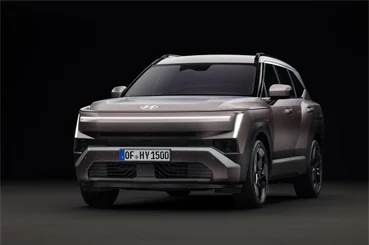

Turbochargers have become one of the most talked-about pieces of automotive technology in recent years. Once mainly associated with high-performance sports cars and motorsport legends, turbos are now found in everything from compact hatchbacks to family SUVs and vans.
But what exactly is a turbocharger, and why do so many modern vehicles use one?
Whether you are curious about how turbochargers work, wondering if a turbo makes a car faster, or considering buying a turbocharged vehicle, this guide explains everything in simple, reader-friendly terms.
What Is a Turbocharger?
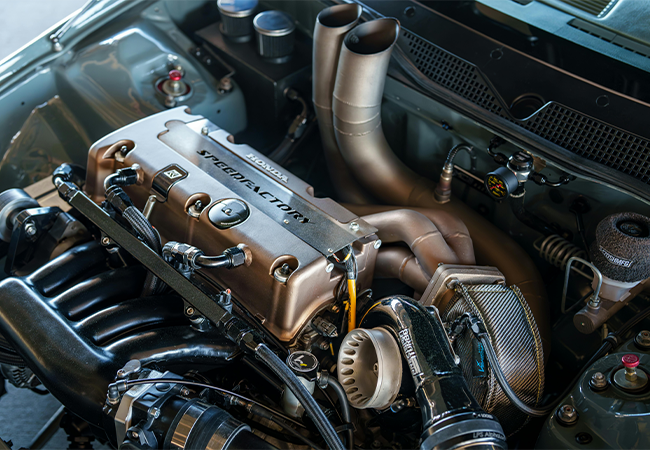
A turbocharger, often shortened to “turbo”, is a device fitted to an engine that helps it produce more power.
It works by forcing extra air into the engine’s cylinders. More air means more fuel can be burned, which creates a stronger combustion process and increases engine performance.
In simple terms, a turbo helps a smaller engine behave more like a larger one, without necessarily using much more fuel.
Turbochargers are powered by the engine’s exhaust gases. Instead of letting hot exhaust air go to waste, the turbo captures that energy and uses it to spin a turbine. That turbine then compresses fresh air and pushes it back into the engine.
It is a clever bit of engineering that improves both power and efficiency.
What Does a Turbocharger Do?
The main job of a turbocharger is to boost engine performance.
A naturally aspirated engine relies only on atmospheric pressure to pull air into the cylinders. A turbocharged engine forces additional compressed air into the system, allowing the engine to generate more power from the same engine size.
This delivers several benefits:
- Increased brake horsepower
- Better acceleration
- Improved towing ability
- Enhanced fuel efficiency in many cases
- Reduced emissions compared to larger engines
Modern car manufacturers increasingly use turbochargers because they help meet stricter emissions and fuel economy regulations across the UK and Europe.
What Are Turbochargers Generally Used For?
Turbochargers are used in a wide range of vehicles and industries.
Passenger Cars
Most modern petrol and diesel vehicles now use turbocharged engines. Small turbocharged engines are especially common in family cars because they balance performance and fuel economy.
Popular examples include:
- 1.0-litre turbo petrol engines
- 1.5-litre turbo hybrid systems
- Turbo diesel engines in SUVs and estate cars

Performance Cars
Turbochargers are heavily used in sports cars and performance vehicles because they dramatically increase power output.
Many famous performance cars from brands such as Porsche, BMW and Mercedes-Benz rely on turbocharged engines.
Commercial Vehicles
Lorries, vans and buses commonly use turbo diesel engines to improve pulling power and efficiency.
Motorsport
Turbo technology has a long history in motorsport, including Formula One, rally racing and endurance racing.
Modern Formula One cars use highly advanced turbo-hybrid power units capable of extraordinary performance from relatively small engine sizes.
Does a Turbo Make a Car Faster?
Yes, in most cases, a turbocharger makes a car faster.
Because the engine can burn more fuel and air, it generates more power and torque. This typically results in:
- Quicker acceleration
- Higher top speeds
- Stronger mid-range pulling power
One of the biggest advantages is improved torque at lower revs. This means the car often feels more responsive during everyday driving, especially when overtaking or joining motorways.
For example, a modern 1.5-litre turbo petrol engine may outperform an older naturally aspirated 2.0-litre engine while using less fuel.
However, overall speed still depends on several factors:
- Vehicle weight
- Gear ratios
- Aerodynamics
- Tyre grip
- Engine tuning
A turbo alone does not automatically make every car a high-performance machine, but it can significantly improve performance.
What Are the 4 Types of Turbochargers?
There are several types of turbocharging systems used in modern vehicles. The four most common are:
Single Turbo
This is the most common setup found in everyday vehicles.
A single turbocharger balances performance, efficiency and cost. Manufacturers can size the turbo differently depending on whether they want better fuel economy or stronger performance.
Single turbos are popular because they are relatively simple and reliable.
Twin Turbo
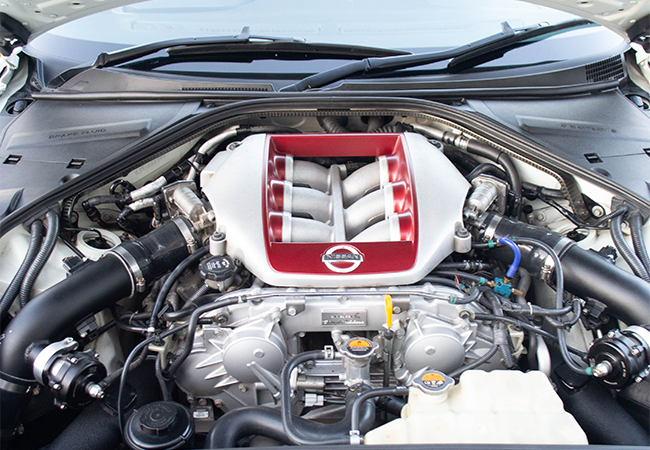
Twin turbo systems use two turbochargers instead of one.
These can work together in different ways:
- One turbo for low engine speeds and one for high speeds
- Two equal-sized turbos sharing the workload
Twin turbos are often used in performance vehicles because they provide smoother power delivery and improved responsiveness.
Twin-Scroll Turbo
A twin-scroll turbo separates exhaust pulses before they reach the turbine.
This design improves efficiency and reduces turbo lag, which is the slight delay between pressing the accelerator and feeling the boost.
Many modern turbo petrol engines now use twin-scroll technology because it delivers a more natural driving feel.
Variable Geometry Turbo (VGT)
Variable geometry turbos adjust the airflow entering the turbine using movable vanes.
This allows the turbo to perform efficiently across a wider power band.
VGT systems are especially common in diesel engines and premium vehicles.
What Are the Pros and Cons of a Turbocharger?
Like any automotive technology, turbochargers come with advantages and disadvantages.
Pros of Turbochargers
- More Power From Smaller Engines: Turbocharging allows manufacturers to reduce engine size while maintaining strong performance.
- Improved Fuel Economy: Smaller turbocharged engines often use less fuel during normal driving compared to larger naturally aspirated engines.
- Reduced Emissions: Turbochargers can help reduce CO₂ emissions, which is one reason they are widely adopted across Europe.
- Better High-Altitude Performance: Turbocharged engines cope better at higher altitudes because they compensate for thinner air.
Cons of Turbochargers
- Increased Complexity: Turbocharged engines contain additional components, which can increase repair costs.
- Potential Turbo Lag: Some older or cheaper systems may experience slight delays in power delivery.
- Maintenance Requirements: Regular oil changes are essential because turbos operate at extremely high temperatures and speeds.
- Repair Costs: Replacing a failed turbocharger can be expensive, particularly on premium vehicles.
Does a Turbocharger Increase Brake Horsepower (BHP) and MPG?
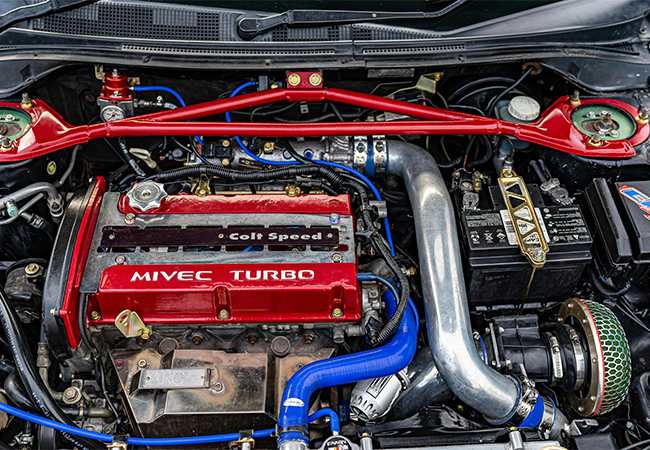
Yes, a turbocharger can improve both bhp and fuel economy.
Brake horsepower increases because the engine burns more air and fuel during combustion. This creates more energy and therefore more performance.
Fuel economy can also improve because:
- Smaller engines use less fuel under light driving conditions
- Turbocharged engines operate more efficiently
- Modern engine management systems optimise performance
However, real-world MPG depends heavily on driving style.
If you regularly accelerate hard and use the turbo boost aggressively, fuel consumption will rise. A turbocharged car driven enthusiastically may use more fuel than expected.
On the other hand, gentle motorway driving can produce excellent fuel economy figures. Turbocharging allows smaller engines in vehicles like the Peugeot 3008 and Kia Sportage to deliver strong performance while maintaining respectable fuel economy.
Can You Add Turbo to Any Car?
Technically, many cars can be turbocharged, but it is not always practical or cost-effective.
Adding a turbo to a naturally aspirated engine usually requires:
- A turbocharger kit
- Upgraded fuel system
- Engine management tuning
- Stronger cooling systems
- Modified exhaust components
In some cases, the engine internals may also need strengthening to handle the additional pressure.
Modern vehicles are increasingly complex, so aftermarket turbo conversions can become expensive quickly.
For most drivers, buying a factory-built turbocharged car is usually the simpler and more reliable option.
Is Replacing a Turbo a Big Job?
Replacing a turbocharger can be a significant repair job, depending on the vehicle.
Some turbos are relatively accessible, while others are buried deep within the engine bay. Labour costs can therefore vary considerably.
A turbo replacement may involve:
- Removing exhaust components
- Replacing oil feed lines
- Cleaning the intake system
- Updating engine software
- Flushing contaminated oil
Costs in the UK during 2026 can range from several hundred pounds to well over £2,000 for premium vehicles.
Warning signs of turbo problems include:
- Whining noises
- Excessive smoke from the exhaust
- Reduced power
- Increased oil consumption
- Engine warning lights
Routine servicing and proper warm-up and cool-down habits can help extend turbo lifespan significantly.
Are Turbochargers the Future?
Turbocharging continues to play a major role in modern vehicle development.
Although electric vehicles are growing rapidly, turbocharged petrol and diesel engines remain widely used in hybrid systems and conventional cars.
Manufacturers continue improving turbo efficiency, reducing lag and combining turbocharging with electrification technology. Modern turbocharged engines can now be found in everything from the Ford Puma to high-performance models such as the Honda Civic Type R.
In 2026, turbochargers remain one of the most effective ways to balance performance, efficiency and lower emissions.
Turbocharged Takeaways
Turbochargers have transformed the automotive world.
What was once seen as specialist performance technology is now a standard feature in many everyday vehicles. From improving fuel economy to delivering stronger acceleration, turbochargers offer clear benefits for modern drivers.
They are not perfect, and repair costs can be higher if problems occur, but modern turbo systems are generally far more reliable than early designs.
Whether you drive a compact hatchback, family SUV or performance saloon, chances are there is a turbocharger helping deliver the power beneath your right foot.