
Peugeot returned to the Beijing International Auto Show in 2026. It did so with a confident message about the brand’s future. The event took place in one of the world’s most influential automotive markets. There, the French manufacturer showcased its growing commitment to electric mobility, intelligent technologies and emotionally driven design.
The appearance in Beijing marked far more than a traditional motor show presence. It represented a strategic move in PEUGEOT’s wider global transformation, particularly as the automotive industry continued shifting towards electrification and connected driving experiences.
China remained one of the most important regions for automotive innovation and electric vehicle development in 2026. For PEUGEOT, the market played a crucial role in shaping future products, technologies and manufacturing strategies. The brand’s return to Beijing, therefore, was important. It also introduced two striking new concept cars designed to preview the next era of PEUGEOT vehicles.
China Played a Central Role in PEUGEOT’s Future
PEUGEOT made it clear that China sat at the centre of its long-term global plans. The country had become one of the world’s leading hubs for electric and intelligent mobility. This made it a vital market for brands looking to remain competitive in the years ahead.
During the show, Alain Favey, CEO of PEUGEOT, described Beijing as a “key stage” for the company. He explained that the event was not simply about unveiling future products. It was also about reaffirming the brand’s ambition on a global scale.
Favey highlighted how China continued driving PEUGEOT’s transformation in several critical areas, including electrification, innovation and premium brand positioning. The concepts revealed at the event reflected that direction, blending advanced technologies with PEUGEOT’s unmistakable French identity.
The announcement also reinforced the growing collaboration between PEUGEOT and Dongfeng. Dongfeng remained an important industrial and technological partner for the brand in China.
French Design Meets Advanced Electric Technology
One of the strongest themes at Beijing 2026 was PEUGEOT’s focus on exciting design. It also focused on cutting-edge electric mobility. The brand continued to develop vehicles with visual appeal and intelligent functionality. It also aimed to deliver the driving pleasure for which PEUGEOT had long been recognised.
Under its “Serious about pleasure” philosophy, PEUGEOT positioned itself as a manufacturer that valued emotion and character. These qualities mattered just as much as efficiency and innovation. At a time when many electric vehicles risked becoming visually similar, the brand sought to stand apart. It did this through distinctive styling and strong proportions.
The concept cars presented in Beijing demonstrated that philosophy clearly. Rather than producing cold or purely technology-focused studies, PEUGEOT introduced designs filled with personality, elegance and sporting intent.
This approach aligned closely with the expectations of a younger generation of customers. Many increasingly looked for vehicles that combined sustainability with desirability and appeal.
PEUGEOT Concept 6 Previewed a New Generation of Grand Tourers
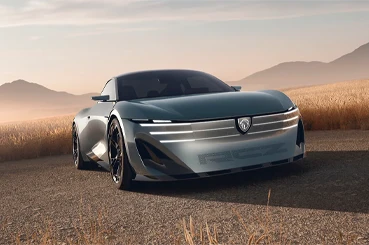
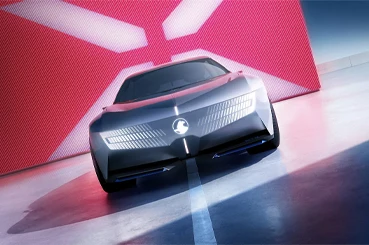
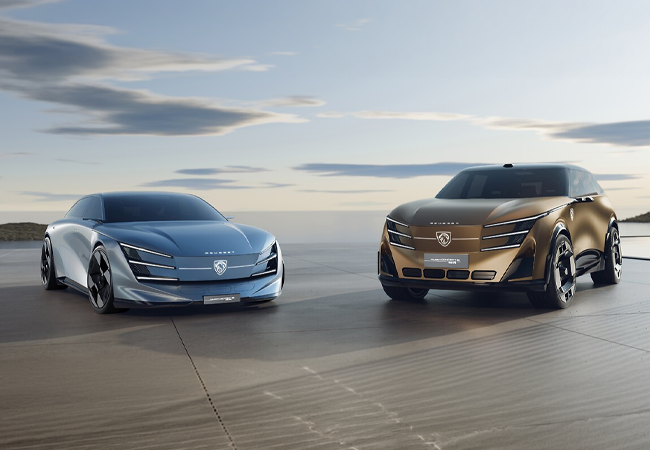
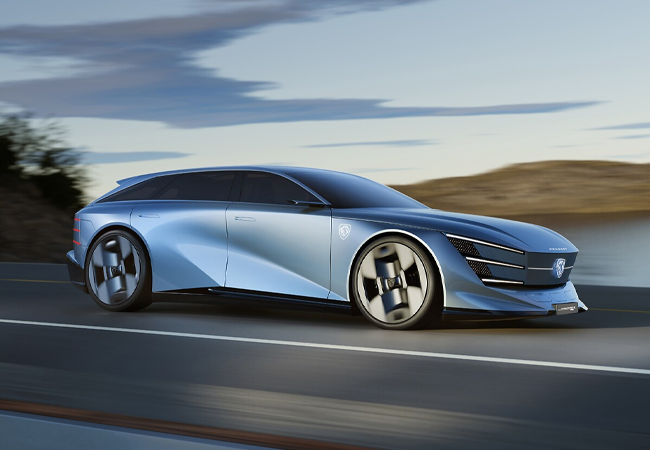
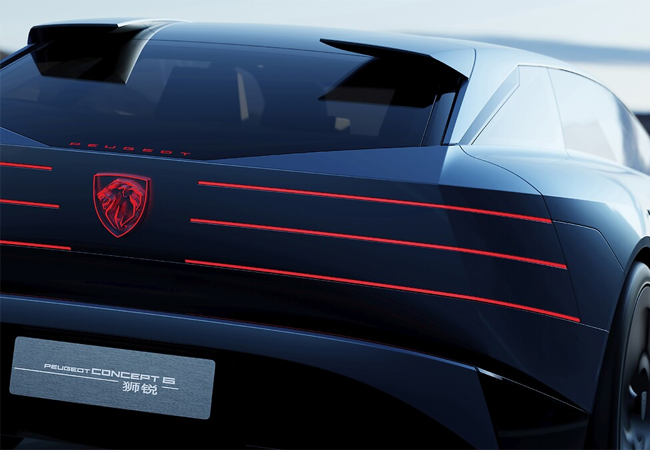
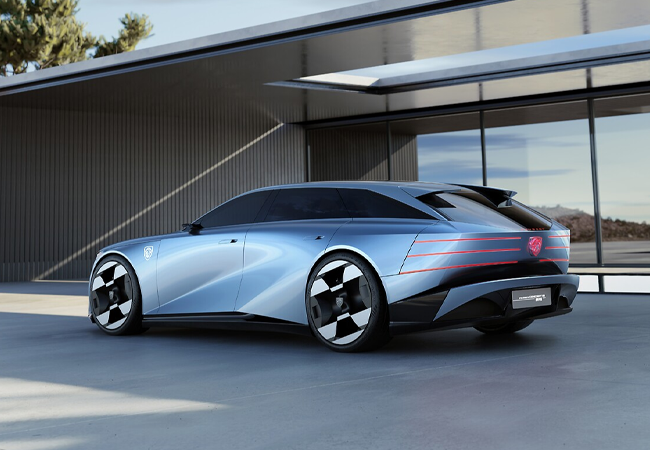
The first major reveal at the show was the PEUGEOT Concept 6, a bold interpretation of the future large saloon.
The concept blended the sleek sophistication of a saloon with the practicality and athletic stance of a shooting brake. This combination created a dramatic silhouette. It paid tribute to PEUGEOT’s heritage of grand touring estates while looking firmly towards the future.
A Feline and Elegant Design Language
The Concept 6 featured a low, flowing roofline, sculpted body surfaces and a refined aerodynamic profile. PEUGEOT described the design as both modern and timeless, with proportions intended to create a strong response.
Its feline-inspired styling cues continued the visual identity the brand had developed across recent production models. However, the Concept 6 pushed those ideas further. It moved them into the premium and performance-oriented segments.
The overall result felt elegant without appearing conservative, sporty without becoming aggressive. This careful balance reflected PEUGEOT’s intention to create vehicles that remained desirable in an increasingly electrified market.
Intelligent Mobility and Driver Engagement
Full technical details remained limited during the show. However, PEUGEOT indicated that the Concept 6 represented its vision for intelligent electric mobility. This vision focused on the large saloon sector.
The concept focused heavily on intuitive driving experiences, advanced connectivity and seamless technology integration. Digital systems and automation were becoming increasingly important. Despite this, PEUGEOT continued to emphasise driver enjoyment and engagement as core brand values.
That emphasis on driving pleasure remained especially important as more manufacturers prioritised autonomous features and software-led experiences over traditional vehicle dynamics.
PEUGEOT Concept 8 Signalled the Future of SUVs
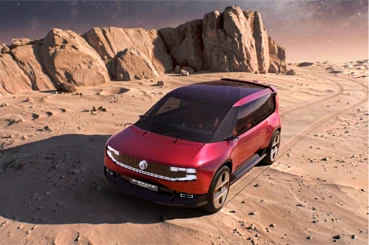
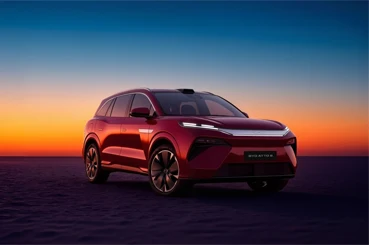
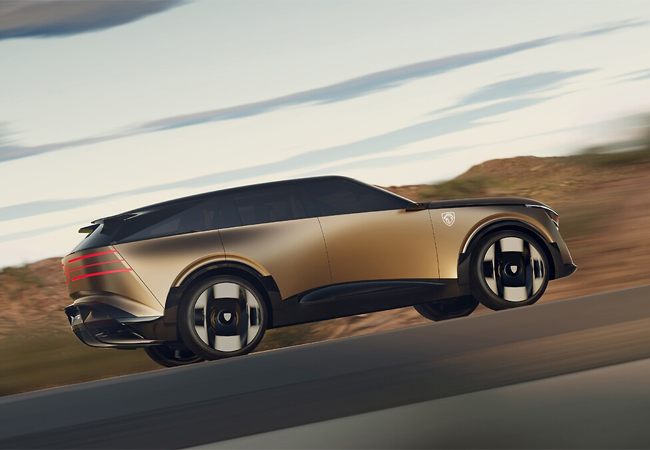
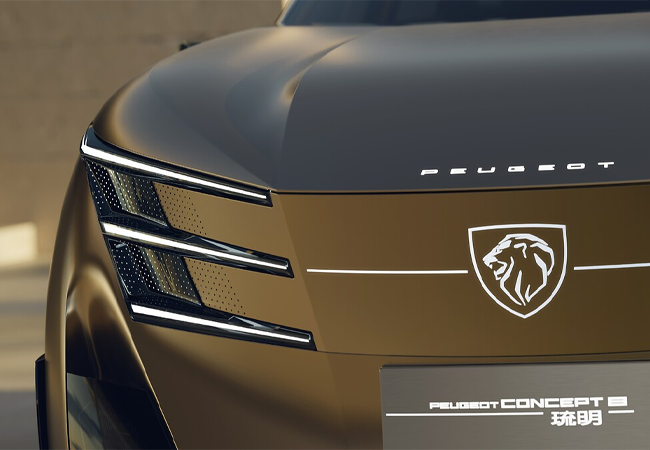
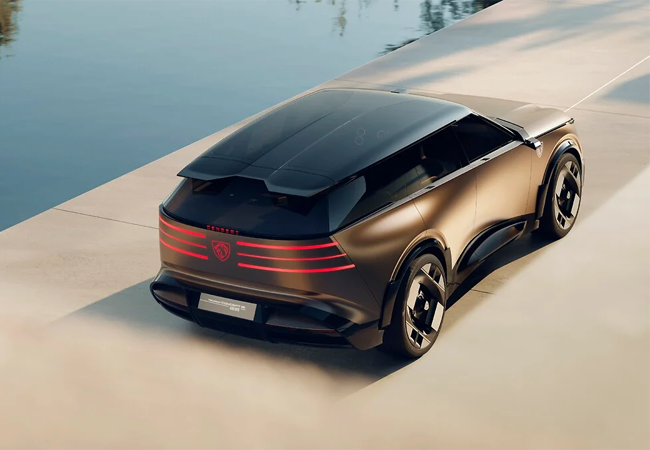
Alongside the Concept 6, PEUGEOT also unveiled the Concept 8. This was a large SUV concept. It previewed the next phase of the company’s SUV strategy.
The SUV segment remained one of the most competitive and commercially important areas of the automotive market in 2026. PEUGEOT therefore used the Concept 8 to demonstrate its plans for future flagship SUVs. These plans were aimed at both Chinese and global audiences.
A Powerful and Aerodynamic SUV Design
The Concept 8 adopted a cleaner and more minimalist design language compared with many contemporary SUVs. Its smooth surfaces and carefully shaped bodywork suggested a strong focus on aerodynamic efficiency, an increasingly important factor in electric vehicle performance and range.
At the same time, the SUV maintained a muscular and confident stance. Wide proportions, athletic detailing and a commanding presence ensured the vehicle still conveyed strength and capability.
PEUGEOT described the design as “pure and essential”. This highlighted its intention to reduce unnecessary styling clutter. It also showed the brand’s aim to retain poignant impact.
The interior direction also centred on comfort, intuitive technologies and refined usability, although detailed cabin specifications were not fully revealed during the event.
Emotion Remained Central to PEUGEOT’s Identity
Both concept cars demonstrated a consistent philosophy running through PEUGEOT’s future direction. In a rapidly changing automotive landscape, the brand continued placing emotion and personality at the centre of its products.
Rather than following trends blindly, PEUGEOT aimed to create vehicles with distinctive identities and memorable road presence. The company argued that customers increasingly wanted meaningful design and genuine character instead of anonymous technology.
That approach helped separate the brand from rivals pursuing more uniform design strategies within the electric vehicle sector.
The Concept 6 and Concept 8, therefore, acted as more than design studies. They served as clear indicators of how PEUGEOT intended to compete globally in the years ahead.
Production Plans Included China and Export Markets
Perhaps one of the most important announcements from the Beijing International Auto Show involved production strategy.
PEUGEOT confirmed that future large saloons and SUVs would be inspired by these concepts. These models would be produced in China for the Chinese market. They would also be exported to international markets. This formed part of the brand’s broader growth plans.
Manufacturing would take place at Dongfeng’s Wuhan production facility. This would combine PEUGEOT’s expertise in design and driving dynamics with Dongfeng’s technological and manufacturing capabilities.
This strategy reflected the growing importance of China. It showed China’s role as a sales market. It also showed China’s role as a global production and innovation hub for electric vehicles.
PEUGEOT Looked Ahead With Confidence
PEUGEOT’s return to the Beijing International Auto Show underlined the brand’s determination. It showed its aim to play a major role in the future of global mobility.
By unveiling the Concept 6 and Concept 8, the company demonstrated its plans for the next generation of vehicles. It aimed to combine French design flair, exciting appeal and intelligent electric technologies.
The event also showed how central China had become to PEUGEOT’s future ambitions. China was important as a market for innovation. It was also important as a manufacturing and export base for upcoming models.
As the automotive industry continued evolving rapidly in 2026, PEUGEOT positioned itself as a brand determined to embrace change. At the same time, it aimed to preserve the emotion, character and driving pleasure that had long defined its identity.