
Leapmotor expanded its electric line-up with the unveiling of the B03, an all-electric supermini that combined contemporary styling, smart technology and flexible packaging.
The five-door hatchback targeted drivers seeking an accessible electric car without sacrificing comfort or equipment. It also became the second model based on Leapmotor’s Compact Electric Platform, following the B03X crossover.
With a claimed range of up to 242 miles, rapid charging and a well-equipped cabin, the B03 offered a compelling specification on paper. Its unveiling also came as the Paris Motor Show started on 12 October 2026, highlighting the continued development of the electric car market.
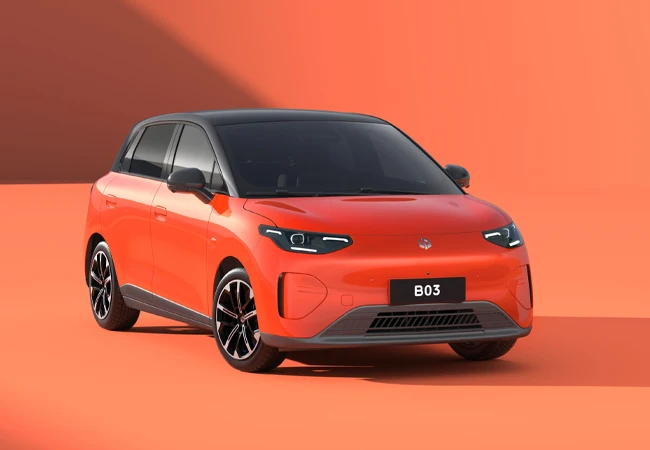
Contemporary styling and compact proportions
The B03 adopted a clean, modern design, with flowing surfaces and balanced proportions. A contrasting two-tone roof added character, while slim LED headlights gave the front end a distinctive appearance.
At the rear, the playful LED light signature helped the car stand out. The overall design aimed to feel contemporary without relying on excessive styling details.
Measuring 4,175mm long, 1,790mm wide and 1,550mm tall, the B03 remained compact enough for busy streets. Its 2,605mm wheelbase helped accommodate the cabin, while a 9.8-metre turning circle supported easier manoeuvring.
Electric performance and 242-mile range
Power came from a front-mounted electric motor producing 194bhp and 148 lb-ft of torque. The B03 accelerated from 0–62mph in 7.6 seconds and reached a top speed of 101mph.
A 53kWh lithium iron phosphate (LFP) battery delivered a claimed WLTP range of up to 242 miles. Actual range would have depended on driving conditions, temperature and energy use.
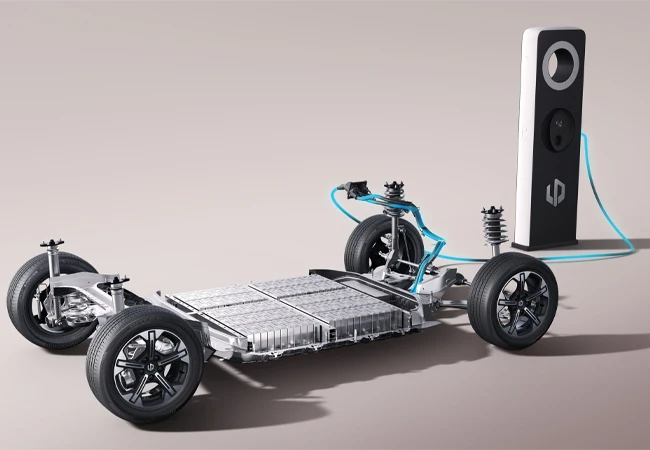
Leapmotor’s Cell-to-Chassis 2.0 Plus architecture integrated the battery into the vehicle’s structure. This approach improved packaging and helped maximise cabin space.
The electric drive unit weighed just 60kg. Its integrated design also reduced vehicle weight by more than 20kg, according to Leapmotor, supporting efficiency and performance.
A dedicated oil-cooling system helped regulate motor temperature during demanding driving. The car also featured three driving modes: Comfort, Standard and Sport. Each adjusted the acceleration response, regenerative braking and steering feel to suit different preferences.
Rapid charging and vehicle-to-load capability
The B03 supported DC rapid charging at up to 133kW. Leapmotor quoted a 10–80% charge time of 21 minutes, falling to 16 minutes between 30% and 80%.
These figures offered the prospect of shorter stops on longer journeys, although actual charging times would have varied with battery temperature and charger capability.
For home charging, a 7.4kW AC connection took approximately seven hours and 15 minutes to replenish the battery from empty.
The car also supported vehicle-to-load (V2L) functionality through a 230V output. This allowed compatible external equipment to draw power from the battery, adding flexibility when electricity was needed away from a conventional socket.
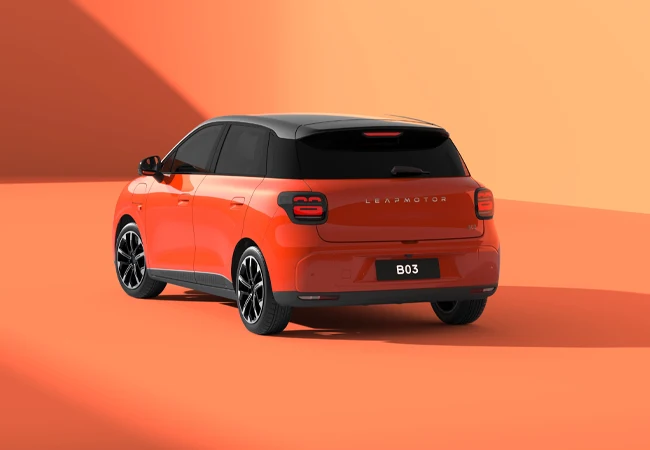
A flexible cabin and adaptable boot
The B03 offered 405 litres of boot space with the rear seats upright. Folding the seatbacks increased capacity to 1,305 litres.
A dual-level cargo floor provided extra flexibility. In its upper position, the flat loading area accommodated items up to 2.47 metres long with the rear seats folded. Lowering the floor created additional underfloor storage, while removing the panel freed up more vertical room.
The separate Leap Box compartment provided another 90 litres beneath the boot floor. Its durable, easy-clean finish made it useful for storing items away from the main luggage area.
Inside the cabin, Leapmotor incorporated 30 storage spaces across the doors, console and seating areas. The flexible seat design offered further options for carrying unusual loads.
The front passenger seat folded flat, while the rear seat base could flip upwards to create an additional 578mm of vertical clearance. The driver’s seatback also reclined to 149 degrees, providing a more relaxed position during breaks.
Together, these features gave the B03 useful flexibility for larger shopping loads, sports equipment and weekend trips without requiring a larger vehicle.
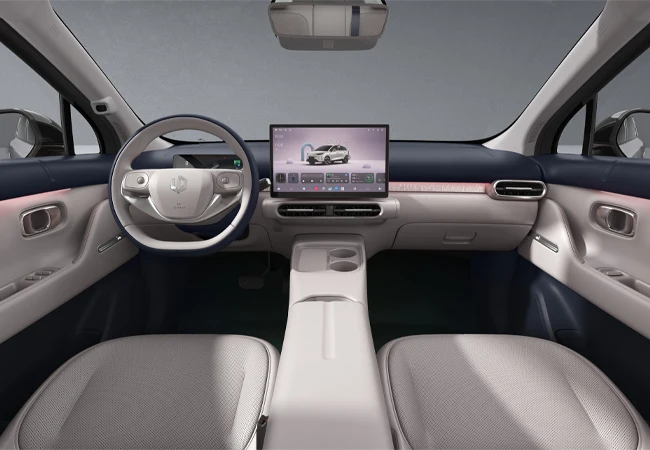
Digital technology and cabin comfort
The dashboard featured a 14.6-inch central touchscreen and an 8.8-inch digital instrument display. Leapmotor’s LEAP OS 4.0 Plus infotainment system used a Qualcomm Snapdragon 8155 processor and supported customisable menus, 3D graphics and simultaneous display of two applications.
Voice recognition offered an alternative to touchscreen controls, while the smartphone-style interface aimed to make functions easier to find.
The interior also featured decorative patterns inspired by Morse code, alongside small references to Leapmotor’s mascot, Leapy. OEKO-TEX-certified materials contributed to the cabin’s material specification.
Multicolour ambient lighting added a personalised touch, with effects that could respond to music and selected vehicle functions. An efficient heat pump helped warm the cabin while reducing the energy required from the battery.
Heated front seats and a heated steering wheel came as standard. Through the Leapmotor smartphone app, owners could also check vehicle status, schedule charging, control the climate system remotely and locate the car.
Driver assistance and safety equipment
Leapmotor equipped the B03 with 21 driver assistance systems as standard, supporting Level 2 semi-autonomous driving functions. Fourteen sensors and cameras helped monitor the car’s surroundings.
The equipment included adaptive cruise control, lane centring and lane-keeping assistance. Automatic lane-change functionality was also listed, alongside front collision warnings and rear collision alerts.
Rear cross-traffic braking helped when reversing, while door-opening warnings alerted occupants to potential hazards from approaching vehicles, cyclists and pedestrians. Intelligent Speed Assist recognised road signs, and a driver attention system could warn of possible drowsiness or distraction.
Leapmotor Integrated Motion Control provided additional chassis support. The manufacturer said the system could detect a loss of grip and respond within 200 milliseconds to help stabilise the vehicle.
Passive safety equipment included seven airbags, among them a centre airbag. Advanced seatbelt technology and automatic door unlocking after a collision were also included.
These systems provided additional assistance, although drivers still needed to remain attentive and in control.
One well-equipped UK specification
Leapmotor planned to offer the B03 in the UK with a single trim level, simplifying the range and reducing the need to compare multiple equipment packages.
Standard features included 17-inch alloy wheels, automatic LED headlights and rear lights, automatic wipers and climate control. Electrically operated, heated and folding door mirrors were also fitted.
A 360-degree parking camera helped with manoeuvring, while the electrically adjustable driver’s seat added convenience. Heated front seats, a heated steering wheel and ambient lighting completed the comfort-focused specification.
Buyers could choose from five exterior finishes: Light White, Sunstone Orange, Seaweed Green, Galaxy Silver and Sandstone. Currant Black was the standard interior colour, with Ivory Mist grey available at no extra cost.
Could the Leapmotor B03 stand out?
The Leapmotor B03 combined a 242-mile claimed range with brisk acceleration, rapid charging and a generous equipment list. Its flexible seating and adaptable boot added useful versatility without moving beyond the compact hatchback category.
The overall package appeared well suited to drivers looking for an electric car for commuting, local journeys and occasional longer trips. However, its competitiveness would ultimately have depended on UK pricing, real-world efficiency, ride comfort and reliability.
With its straightforward trim structure and technology-rich cabin, the B03 offered a clear alternative in the expanding electric supermini market. Its arrival also reflected the growing importance of compact EVs as manufacturers broadened their electric line-ups.