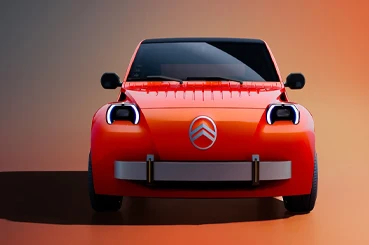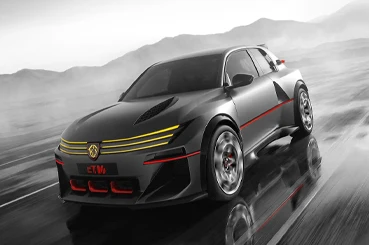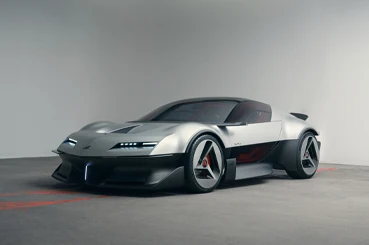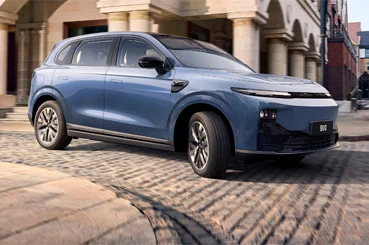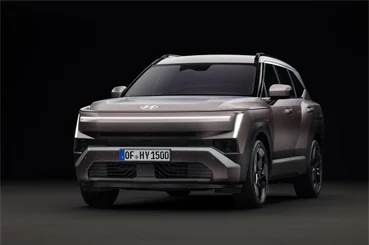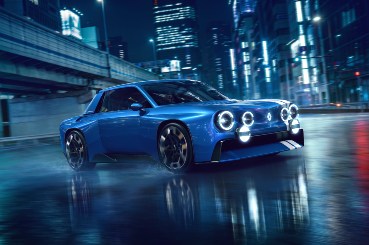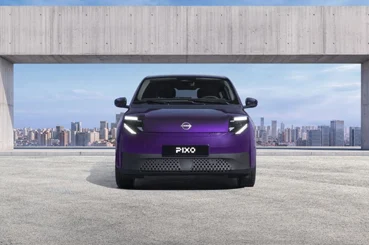

Renault turned heads at the Paris Motor Show, which opened its doors on 12th October 2026. The French manufacturer showcased a radical new vision for family travel. Say hello to the Renault E-Space Concept, an all-electric MPV built to challenge today’s dominant SUV market.
Back in 1984, the original Renault Espace pioneered the multi-purpose vehicle segment. Over four decades later, Renault revisited that iconic blueprint. Rather than designing another high-riding crossover, the team built this concept car around cabin space and human comfort.
A Contemporary Twist on Classic Proportions
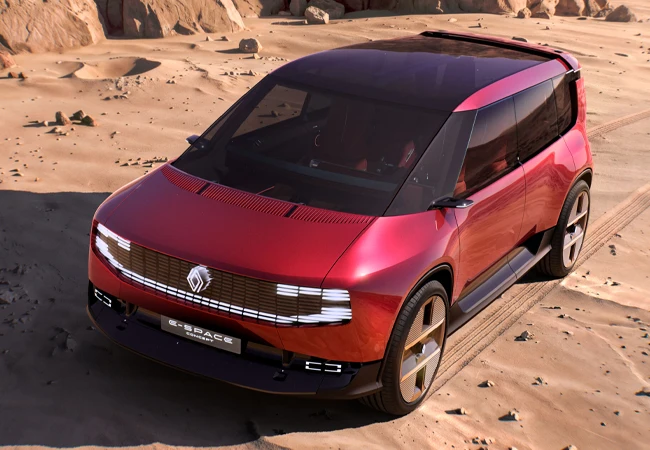
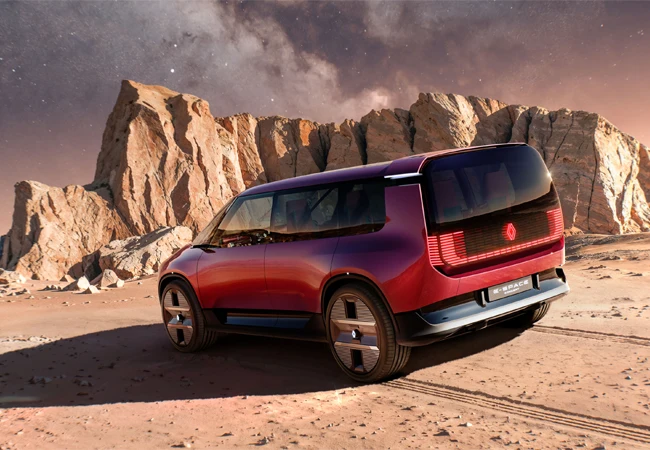
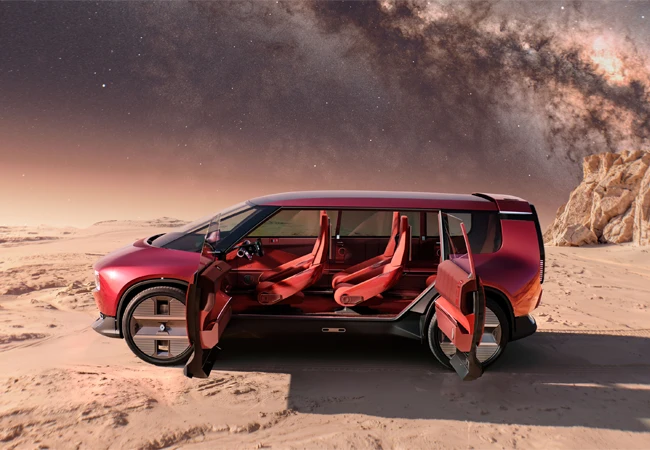
The E-Space Concept combined nostalgia with forward-looking engineering. Measuring 4.70 metres in length, 2.02 metres in width, and 1.67 metres in height, its dimensions closely matched the original 1984 model. However, short body overhangs and wide 23-inch alloy wheels gave it a modern, athletic stance.
Several subtle styling cues paid tribute to classic Renault designs:
- Aerodynamic Profile: The raked windscreen flowed directly into the bonnet line, mimicking the classic TGV train profile of the first Espace.
- Rear Modular Design: Clean vertical lines at the rear maximised interior volume, while a high rear spoiler echoed the Espace 2 and 3.
- Active Aerodynamics: A movable front bumper splitter lowered at higher speeds to reduce drag and boost electric efficiency.
- F1 Technology Cues: A dark lower body plate suggested the floor-mounted battery pack, taking visual cues from Formula 1 sidepods.
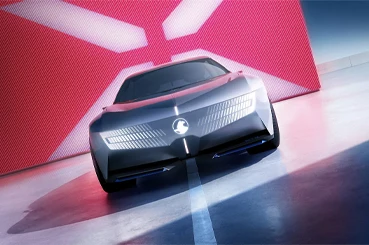
Up front, a distinctive light signature formed a sweeping U-shape across the grille. In the middle, an illuminated Renault diamond badge appeared to float against a pixelated backdrop.
Architectural Design Inspired by Bauhaus
Renault prioritised the living space long before shaping the exterior bodywork. Drawing inspiration from modern architecture, designers wrapped the interior in an expansive glass structure.
The side windows and panoramic roof extended far below the typical beltline. Exterior metal panels attached to the glass without sharp visual seams. Consequently, the glazing seemed to flow continuously beneath the outer bodywork. Thin, floating rear pillars completed the airy effect.
This unusually low waistline brought back a classic touch. Passengers could easily rest their elbows on the window ledges, mirroring the relaxed driving position of the original 1980s model.
A Versatile Lounge on Four Wheels
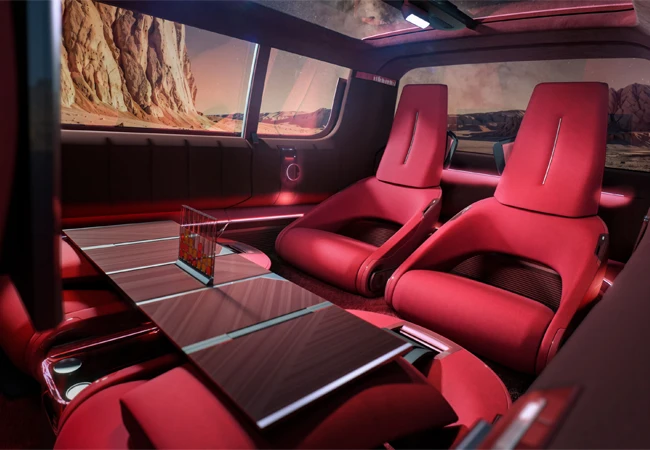
Opening the pillarless, rear-hinged doors revealed a spacious interior with six individual seats set across a completely flat floor. Instead of standard automotive bucket seats, Renault installed slim, floating seats inspired by classic home furnishings.
Modularity remained central to the interior design:
- Swivelling Middle Row: The two middle-row seats turned 180 degrees to face the rear row, creating a sociable seating square.
- Fold-Flat Table: In a four-seat configuration, the middle seats folded flat to act as a wide central table.
- Rear Entertainment: Passengers enjoyed fold-out tables housing 12.3-inch displays for media and work.
- Sliding Centre Console: A central rail housed an air purifier, mini-fridge, gaming controllers, and an integrated Connect 4 game.
Vibrant colours made a welcome return to the cabin. A deep coral, long-pile wool carpet covered the floor, complemented by quilted door fabrics and natural straw marquetry.
High-Tech Cockpit Innovations
Up front, the dashboard introduced the new OpenR Panorama display. Spanning 1,130 mm across the cabin, this curved pillar-to-pillar screen replaced conventional instruments. Renault confirmed that future production cars, including the upcoming Scenic and Rafale, will gain this floating display system.
To improve safety, drivers operated controls using dual flexible touchscreens near the steering column. Furthermore, steer-by-wire technology eliminated mechanical steering links entirely. This compact setup freed up significant legroom and allowed for a full-width lower storage shelf under the dash.
Sustainable Materials for the Electric Era
Moving away from traditional leather and wood, Renault used innovative bio-sourced materials throughout the vehicle:
- Natural Trim: Cabin panels featured hand-dyed straw applied directly onto interior surfaces.
- Sustainable Fabrics: The steering wheel incorporated castor oil resins and organic cotton.
- Eco-Friendly Tyres: Custom Michelin tyres contained 19% natural rubber sourced from managed plantations.
- Plant-Based Paints: The interior paint formulation utilised 18% bio-sourced resins.
By combining retro charm, clever packaging, and electric power, the E-Space Concept demonstrated that practical MPVs still have an exciting future.