
Lexus, a renowned name in the automotive industry, is synonymous with luxury, sophistication, and innovation. In this spotlight blog, we delve into the essence of Lexus. We explore its ownership, manufacturing, reliability, and what makes it stand out in the competitive automotive market.
Who Owns Lexus?
Lexus is a division of the Toyota Motor Corporation. Toyota is a Japanese automotive giant known for quality and innovation. Since its inception in 1989, Lexus has remained under the Toyota umbrella. It benefits from its resources, expertise, and global reach.
Is Lexus Toyota?
While Lexus is owned by Toyota, it operates as a separate entity within the corporation. Lexus serves as the luxury vehicle division of Toyota, offering premium cars for customers seeking refined design, advanced technology, and exceptional performance.
Who Makes Lexus Cars?
Skilled engineers and artisans craft Lexus cars. They follow the high standards and attention to detail linked with Toyota. These professionals ensure that every Lexus vehicle meets the brand’s exacting standards for quality, comfort, and performance.

Where is Lexus Made?
Lexus vehicles are manufactured in several locations around the world, including Japan, the United States, and Canada. These production facilities follow strict quality control measures to uphold the Lexus reputation for excellence.
In the UK, Lexus cars are imported from various manufacturing sites worldwide to meet the demands of discerning customers. The brand is committed to global production. This helps each Lexus vehicle maintain its luxury and precision, no matter where it is made.
Are Lexus Reliable?
Lexus has earned a stellar reputation for reliability and durability, consistently ranking among the top brands in reliability surveys and customer satisfaction studies. Lexus uses strict quality control processes. It also focuses on engineering excellence. This gives drivers worldwide peace of mind.
What Does Lexus Stand For?
Lexus embodies the pursuit of perfection, combining cutting-edge technology, elegant design, and unparalleled craftsmanship to deliver an unparalleled driving experience.
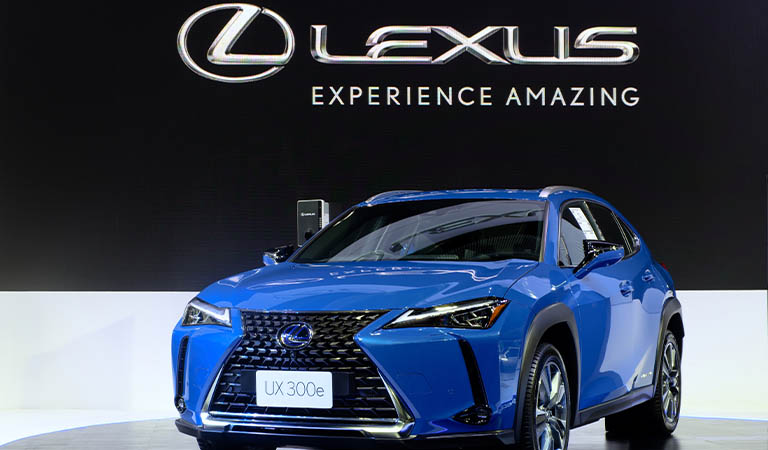
The brand’s commitment to innovation and customer satisfaction sets it apart, reflecting its motto: “Experience Amazing.”
But what does the name ‘Lexus’ signify?
The name ‘Lexus’ carries a profound significance, embodying a fusion of Latin, French, and Greek elements.
It merges the Latin “luxus” and the French “luxe,” symbolising elegance and sumptuousness, with the Greek “lexicon,” signifying language.
This amalgamation encapsulates the very essence of Lexus – a language of luxury expressed through its exquisite vehicles.
What Makes a Lexus Car So Special?
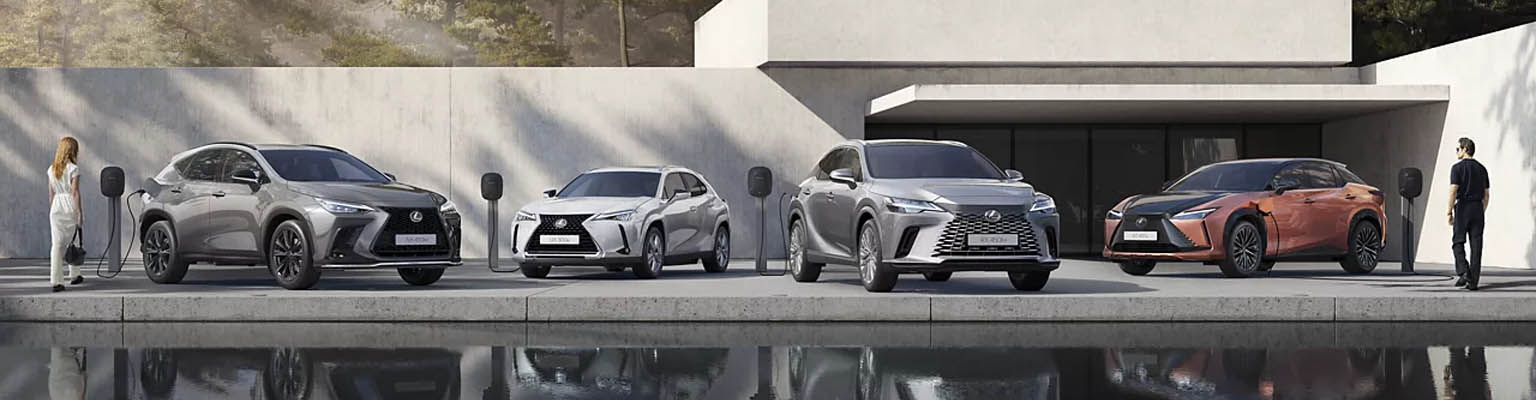
Every part of a Lexus car is designed to elevate the driving experience. This includes its luxurious interiors, premium materials, advanced safety features, and innovative technologies. Lexus hybrid models lead the way in sustainable mobility. Its powerful SUVs offer versatility and comfort. Across the range, Lexus cars stand out for their quality, performance, and sophistication.
Overall, Lexus continues to redefine luxury and innovation in the automotive industry. It sets high standards with each vehicle it produces. Its legacy is built on precision engineering, impeccable craftsmanship, and a relentless pursuit of perfection. Lexus remains at the forefront of automotive luxury. It continues to captivate drivers worldwide with its unrivalled blend of elegance and performance.