
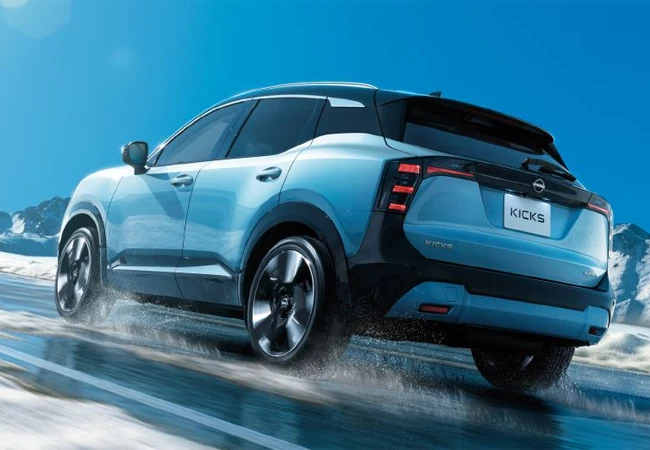
Nissan made waves across the automotive world when it announced a major £170 million investment in its historic UK factory. The brand confirmed that the popular Nissan Kicks crossover would soon join the production line in Sunderland. This exciting move marked the European debut of a compact model that already conquered global markets.
For car enthusiasts and everyday drivers alike, this announcement signalled a thrilling new chapter. The Sunderland plant, which celebrated its landmark 40th anniversary, prepared to welcome its tenth distinct model. As the automotive industry embraced electrification, Nissan positioned its North East facility at the heart of its green strategy.
Celebrating Four Decades of British Manufacturing
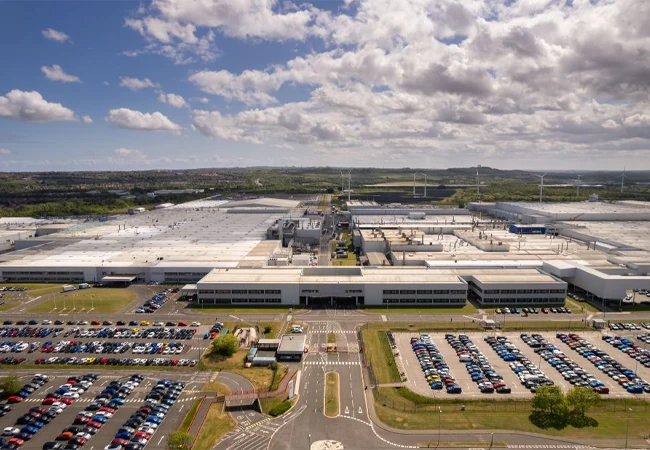
Since the very first Nissan Bluebird rolled off the production line in 1986, the Sunderland facility grew into a titan of British industry. Over the last forty years, the plant achieved extraordinary milestones. It surpassed a staggering 12 million vehicles built, averaging an incredible rate of one car every minute and forty-five seconds.
This monumental achievement rested on a foundation of £5 billion in total investment. The site directly employed around 6,000 skilled workers while supporting another 30,000 jobs across the extensive supply chain. Over one hundred global markets relied on vehicles built right there in Tyne and Wear.
When reflecting on the milestone, plant leadership expressed immense pride. Bringing a fresh model to the lines served as the ultimate birthday celebration for a world-class manufacturing site. Sunderland cemented its reputation as a global automotive powerhouse.
A Rich Lineage of Iconic Vehicles
Sunderland’s production history read like a hall of fame for British motoring. The Kicks became the tenth distinct model allocated for local assembly since operations began.
The factory previously built legendary nameplates such as the Bluebird, Primera, Micra, Almera, and Note. It also handled niche production like the Infiniti Q30 before pivoting decisively towards high-volume crossovers and electric vehicles.
Today, the plant balanced production of the Qashqai, Juke, and LEAF. Adding the Kicks to this stellar lineup reinforced the factory’s remarkable versatility and manufacturing prowess.
The Global Success of the Nissan Kicks
Before crossing into Europe, the second-generation Kicks already proved itself as a runaway international success. Built across Japan, Mexico, and Brazil, the compact crossover surpassed 1.8 million units sold in over 70 countries.
European buyers previously missed out on this stylish B-segment crossover. Nissan changed that narrative by committing to local production. Industry leaders highlighted the agility and speed required to bring such a dynamic vehicle to a brand-new market.
The Kicks joined an established family of electrified models in Sunderland. It rolled down the exact same lines as its stablemates. This integration proved that consumer choice remained central to Nissan’s European strategy.
Understanding e-POWER Hybrid Technology
At the heart of the new European Kicks lay Nissan’s clever e‑POWER hybrid drivetrain. Sunderland already mastered this technology through the successful production of the Qashqai e-POWER, which saw over 200,000 units built locally.
Globally, more than 1.9 million e-POWER models found homes since the technology launched in 2016. The Kicks featured the advanced third-generation system. Engineers comprehensively re-engineered this setup to deliver superior fuel efficiency, reduced emissions, and elevated refinement compared to older iterations.
What made this technology truly unique was how it delivered power. Unlike traditional hybrids, the wheels were driven solely by a powerful electric motor producing responsive bhp and instant torque measured in lbs ft. The petrol engine served a single purpose: generating electricity to recharge the on-board battery.
Drivers experienced the instant response, smooth linear acceleration, and quiet refinement of a pure electric vehicle. Yet, they retained the absolute convenience of visiting a standard petrol station for quick refuelling without ever needing to plug in.
Looking Ahead to an Electric Future
The arrival of the Kicks formed part of a wider product offensive for Nissan in Europe. It arrived hot on the heels of another major announcement regarding a brand-new A-segment small electric car named PIXO.
Furthermore, the factory looked forward to even more transformation. Plans were already underway to manufacture the all-new, third-generation Nissan JUKE, which would be 100% electric for the first time.
Government officials praised the Sunderland plant as a vital pillar of the UK economy. They emphasised that continued partnership secured skilled jobs and drove sustainable regional growth across every postcode.
As the dust settled on the announcement, one thing remained crystal clear. Nissan’s deep-rooted commitment to British manufacturing continued to thrive, paving the way for an electrified, innovative automotive future.