
Vauxhall is looking to the future of the family estate with the new STX Concept, a striking design study that rethinks what an electric estate car could look like.
Unveiled as the Sports Tourer eXperimental Concept, the STX combines practical estate-car proportions with ambitious styling and technology designed to improve efficiency. It also introduces a new version of Vauxhall’s iconic Griffin emblem, offering a first glimpse of the brand’s next design direction.
The concept arrives as Vauxhall builds on a British estate-car heritage stretching back to the 1950s. Rather than simply adapting an existing formula for electric power, the company wants to explore how the traditional estate could evolve for a new generation.
An electric estate with a distinctive new look
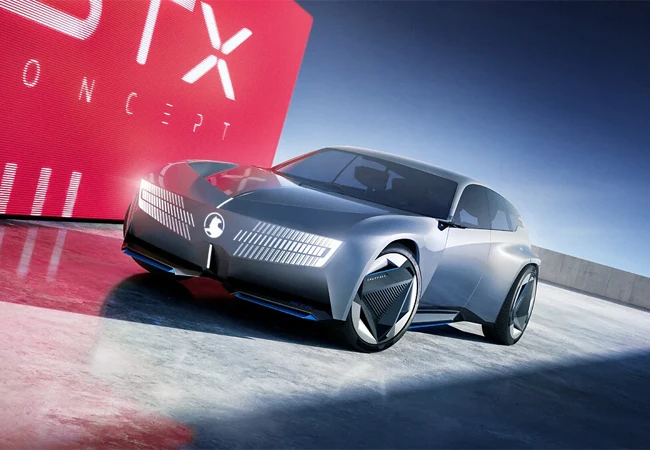
The STX Concept offers an early look at how Vauxhall plans to develop its Bold and Pure design philosophy. The emphasis is on crisp surfaces, confident proportions and distinctive details, without sacrificing the practical qualities expected of an estate.
Its name provides a clue to the car’s purpose. The ‘ST’ references the Sports Tourer models already found in the Vauxhall range, including the Astra Sports Tourer. The added ‘X’ signals something more experimental, pointing towards new ideas in design, engineering and technology.
Vauxhall says the concept is intended to show that electric motoring need not come at the expense of character. Instead, intelligent engineering should enhance the driving experience while giving the car a stronger visual identity.
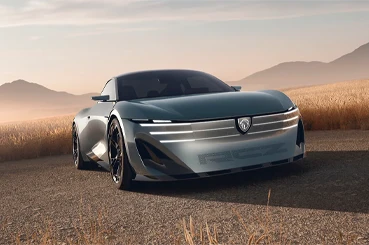
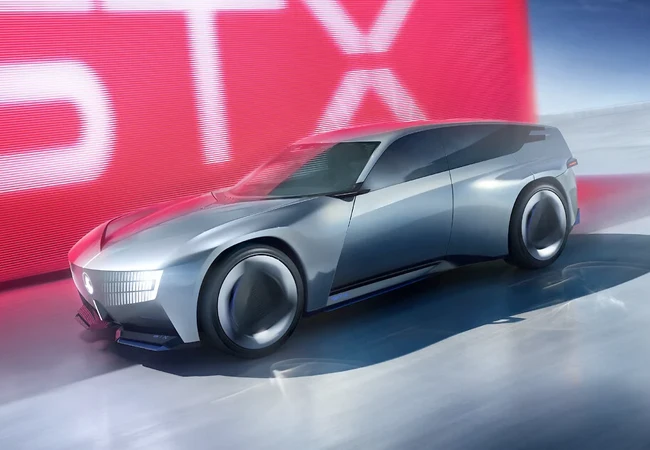
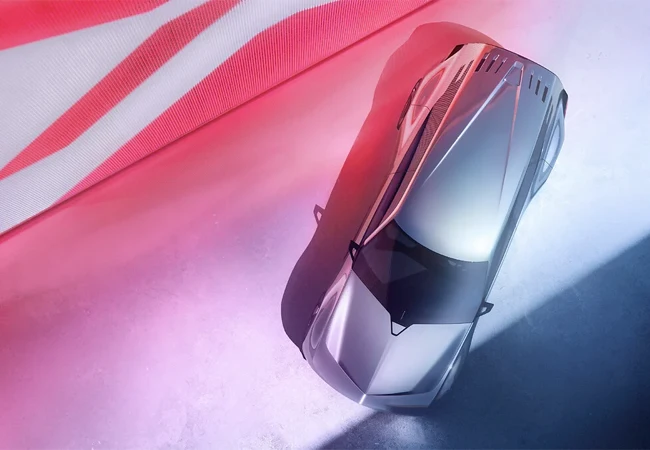
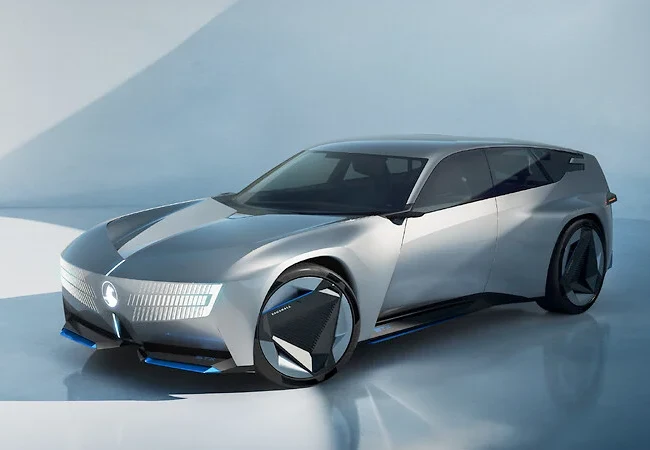
That approach is apparent in the STX’s low stance, sculpted bodywork and long roofline. Short overhangs and prominent wheelarches give it a purposeful appearance, while the silver-and-blue finish highlights its sharp lines.
For drivers who value the versatility of an estate but want something more visually adventurous, the STX presents an intriguing direction.
A new Griffin emblem leads the way
One of the most significant features is not the bodywork, but the badge at the front.
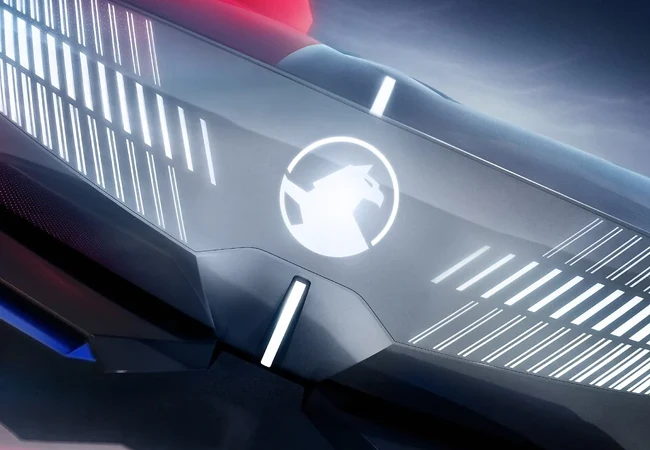
The STX Concept is the first Vauxhall to feature the brand’s redesigned Griffin emblem. The symbol has appeared on Vauxhall cars for more than 120 years, making its latest interpretation an important step in the company’s visual identity.
The new emblem takes a cleaner, more angular approach. It retains the recognisable Griffin character but removes the flag for the first time, creating a simpler design intended to work particularly well when illuminated.
It sits at the centre of the Vauxhall Vizor, the brand’s distinctive front-end treatment. Together, the badge and lighting create a more contemporary interpretation of the Vauxhall Compass design signature.
The new emblem is more than a concept-car flourish. Vauxhall says it will feature on its next all-new production model, which is scheduled to be revealed in 2027.
That makes the STX especially interesting for anyone following the brand’s future showroom line-up. While not every concept feature will necessarily reach production, the updated badge offers a tangible preview of what is to come.
The Vauxhall Vizor gets a sharper appearance
The front end develops the Vizor theme with a taller, more prominent design. Angular lighting elements form the outer edges of the fascia, then fade towards the illuminated Griffin at the centre.
A pronounced crease along the bonnet adds definition, reinforcing the car’s sporting character. The result is a front end designed to look distinctive without relying on excessive decorative detail.
The rear follows a similar approach, pairing a steeply sloping profile with slim horizontal lights. An illuminated VAUXHALL wordmark sits between the lights, bringing greater emphasis to the rear Compass design.
There are more unusual details elsewhere, too. Glass light strips run from the rear side windows into the roof around the C-pillars, creating a distinctive lighting signature.
Illuminated STX lettering sits along the flanks, while small cameras replace conventional door mirrors. These details give the concept a technical appearance and demonstrate how exterior design could develop as new technologies become available.
Importantly, the sloping rear is also intended to provide additional load space. It suggests Vauxhall wants a more dramatic estate design without abandoning the versatility that makes the body style appealing.
Aerodynamics designed to improve electric range
Looks are only part of the story. For an electric car, managing aerodynamic drag can help reduce energy consumption, particularly during faster driving.
The STX Concept has been shaped with long-distance efficiency and high-speed stability in mind. Its smooth bodywork, low silhouette and carefully formed surfaces all contribute to that aim.
The wheels also play a role. The concept uses three-section alloy designs that reference similar styling found on older Vauxhall models, including the Nova and early Corsa. They measure 22 inches and are fitted with 285/35 R22 Goodyear tyres.
The combination of large wheels and retro-inspired detailing gives the car a distinctive stance. However, Vauxhall’s focus on aerodynamic performance extends beyond its static design.
An active aerodynamic system can adjust elements at the rear to manage airflow as driving conditions change. At suitable speeds, blue diffusers extend from beneath the rear of the vehicle, while vertical elements behind the wheels move outwards.
These moving parts are designed to reduce drag and help maintain stability. They also demonstrate how future electric cars could use adaptable aerodynamic features rather than relying solely on fixed bodywork.
Vauxhall has not supplied an official driving range or battery capacity for the STX Concept. Its aerodynamic features are therefore a preview of the company’s thinking, rather than proof of a particular real-world range figure.
All-wheel drive and performance remain important
Efficiency is central to the concept, but Vauxhall has not forgotten performance.
The STX combines an electric vehicle architecture with all-wheel drive and a stated top speed of more than 124mph. That suggests a car designed to balance everyday usability with the ability to cover longer distances at motorway speeds.
The all-wheel-drive layout also points towards a focus on traction and control, although Vauxhall has not released detailed power, acceleration or battery specifications.
For now, the concept demonstrates the principles the brand wants to explore. It is intended to show that electric motoring can combine efficient engineering, secure handling and an engaging driving experience.
Those qualities will matter if Vauxhall wants its future electric estates to appeal to drivers who enjoy travelling, not simply getting from one place to another.

A glimpse inside Vauxhall’s future design thinking
Vauxhall has offered fewer details about the STX Concept’s interior, but it has outlined some of the ideas that could shape its approach.
The cabin is expected to develop the brand’s ‘Painting with Light’ design theme, previously explored in the Vauxhall Experimental concept from 2023 and the Corsa GSE Vision Gran Turismo revealed in 2025.
Light and illumination are intended to play a more prominent role in the overall experience. Specially developed lightweight seats and immersive lighting elements are also part of the proposed direction.
These ideas suggest a cabin that feels more carefully considered, with materials and lighting helping to define the atmosphere. However, the published details do not yet provide a full picture of the dashboard, infotainment system or boot layout.
That leaves some practical questions unanswered. How much luggage space would a production version offer? How would the lighting features work in everyday conditions? And would the cabin retain the straightforward usability expected from a family-focused Vauxhall?
Those answers will have to wait for further developments.
What does the STX Concept mean for future Vauxhall cars?
The STX Concept is not simply a preview of one potential electric estate. It brings together several ideas that Vauxhall may carry into future production models, from its redesigned Griffin emblem to more expressive lighting and carefully managed aerodynamics.
It also reinforces the company’s intention to keep the estate relevant as the market moves towards electrification. Vauxhall has a long history of producing practical estate cars, and the STX explores how that tradition might continue without being constrained by familiar styling conventions.
There is no confirmation that the STX will enter production in its current form. Its value lies in showing how Vauxhall sees the relationship between electric technology, everyday practicality and emotional design.