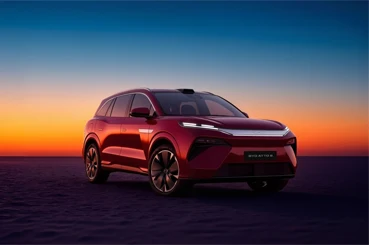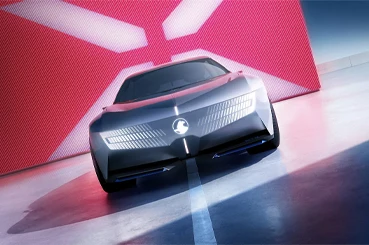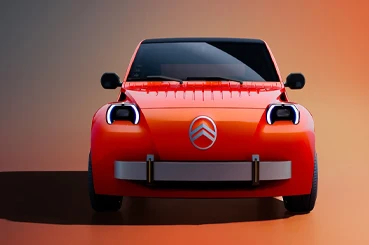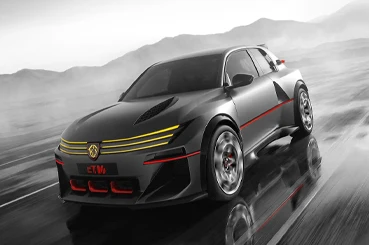

Dacia has revealed a bold and clearly defined strategic roadmap towards 2030, reinforcing the brand’s distinctive positioning as the benchmark for affordable, essential and robust mobility.
As part of the first phase of this plan, the brand has announced Striker, a brand-new model designed to strengthen its presence in the increasingly competitive C-segment. This move signals Dacia’s intention to expand its line-up while maintaining the value-driven philosophy that has made it one of Europe’s fastest-growing automotive brands.
The announcement highlights Dacia’s long-term vision: maintaining affordability while embracing electrification, expanding its product portfolio and strengthening customer loyalty.
Strong Performance and Customer Loyalty Built on a Unique Business Model
Dacia continues to redefine what customers expect from modern mobility. Its unique business model combines attractive design, proven durability and accessible innovation, enabling the brand to deliver excellent value without unnecessary complexity.
Recognised across Europe as a best value-for-money car brand, Dacia has built its success around a disciplined design-to-cost philosophy. This approach enables the company to maintain a structural cost advantage of around 15% compared with the wider automotive market.
Several key factors support this competitive advantage:
- Highly Optimised Manufacturing: Dacia operates with a highly efficient industrial footprint, combining strong local integration with high factory utilisation rates. This allows the brand to maintain production efficiency while keeping costs under control.
- Lean Distribution Model: Another cornerstone of Dacia’s success is its streamlined distribution network. The company’s retail model operates at less than half the cost of many Western European competitors, enabling savings that are passed directly on to customers.
- Delivering Affordable and Robust Vehicles: Together, these operational advantages allow Dacia to consistently deliver essential, durable and affordable vehicles to a growing customer base across Europe.
Exceptional Customer Loyalty Across Europe
Dacia’s success is also reflected in the loyalty of its customers.
More than 70% of Dacia owners remain with the brand when it comes time to replace their vehicle. A further 10% move to Renault, meaning 80% of customers stay within the Renault Group ecosystem.
The brand also performs strongly in attracting new buyers. Around 65% of Dacia customers are new to the Renault Group, demonstrating its ability to win over drivers from competing brands.
This powerful combination of customer loyalty and conquest sales has helped Dacia become Europe’s second-largest automotive retail brand.
Record Sales Success for Core Dacia Models
The brand’s growth in 2025 was driven by exceptional performance from its key models.

Sandero Dominates the European Market
Dacia Sandero was Europe’s best-selling passenger car across all sales channels for the second consecutive year. It has also held the title of Europe’s most popular vehicle among private buyers since 2017.
Duster Remains a Top-Selling SUV
The Dacia Duster continues to perform strongly, ranking as the second best-selling SUV among retail customers in Europe.
Bigster Breaks into the C-SUV Segment
Dacia’s newest model, Bigster, made an impressive market entry. During the second half of 2025, it became the best-selling C-segment SUV among retail buyers in Europe.
A Major Milestone for the Brand
By the end of 2025, Dacia reached a symbolic milestone: more than 10 million vehicles sold worldwide since the launch of the Logan in 2004. The Logan fundamentally reshaped the automotive market by proving that affordable cars could also be modern, practical and appealing.
Dacia’s Strategic Roadmap to 2030
Looking ahead, Dacia’s mid-term strategy aims to reinforce its successful formula while expanding into new areas of mobility.
The roadmap to 2030 focuses on five key strategic pillars.
A Decisive Move into Electric Mobility
Dacia plans to make a confident entry into the electric vehicle market.
By 2030, the brand will launch four fully electric vehicles.
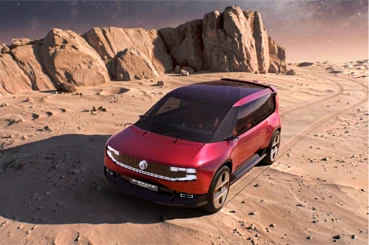
The first step begins this year with a new A-segment electric model, built on the Renault Group’s RGEV Small platform and manufactured in Europe.
One of the most remarkable aspects of this vehicle is its development speed. The project has been completed in less than 16 months, demonstrating Renault Group’s engineering efficiency.
True to Dacia’s DNA, the car will offer simple, practical electric mobility at an accessible price, with a starting price below £15,590 (€18,000).
Accelerating Electrification Across the Dacia Line-Up
Electrification will expand rapidly across the entire Dacia range.
Currently, one in four Dacia vehicles sold is electrified. In the coming years, this figure is expected to rise dramatically.
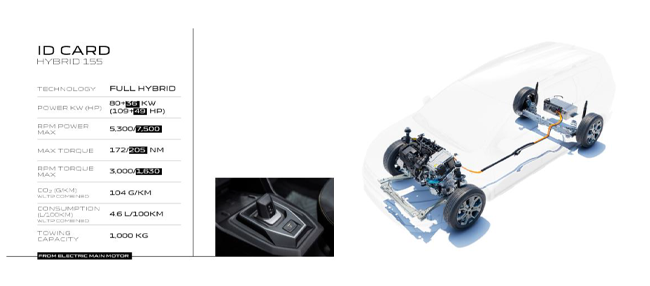
Thanks to new full-hybrid powertrains and smart electrification technologies, Dacia aims to have two-thirds of its total sales electrified.
The company already has the engineering expertise and manufacturing capabilities needed to achieve this ambitious goal.
Expanding Strongly in the C-Segment
The C-segment represents one of the most important areas of growth in the European car market, and Dacia is increasing its focus on this category.
The successful launch of Bigster has already marked the brand’s entry into the segment.
Currently, one-fifth of Dacia’s sales come from C-segment vehicles. Over the coming years, the company aims to increase this share to one-third of its overall sales mix.
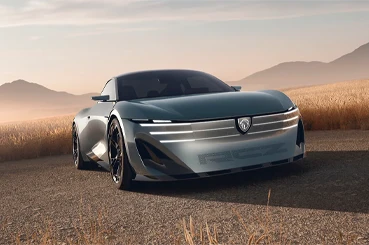
To achieve this goal, Dacia has unveiled Striker, a new electrified crossover designed to sit alongside Bigster.
Together, Bigster and Striker will form a complementary duo, offering different personalities while maintaining Dacia’s essential, durable and value-driven DNA.
The Next Chapter for Dacia Sandero
For nearly two decades, the Sandero has been one of Dacia’s greatest success stories.
As the brand prepares the next generation of the model, the Sandero will continue to evolve to meet changing market demands.
The upcoming version will feature a fully multi-energy powertrain line-up, ensuring it aligns with Dacia’s broader electrification strategy.
Despite these technological advancements, the core philosophy will remain unchanged.
Sandero will continue to represent the value-for-money benchmark in its segment, delivering practical mobility at an accessible price point.
Strengthening What Makes Dacia Unique
Dacia’s future strategy will also reinforce the characteristics that set the brand apart.
Two areas remain particularly important:
Accessible 4×4 Expertise
Dacia will continue making four-wheel-drive technology affordable, allowing more drivers to enjoy genuine off-road capability.
Leadership in LPG Technology
The company will maintain its strong position in LPG-powered vehicles, which offer lower running costs and reduced emissions compared with conventional petrol engines.
By continuing to focus on these strengths, Dacia aims to deliver pragmatic, accessible and future-ready mobility.
Dacia Striker: A New Vision for the C-Segment
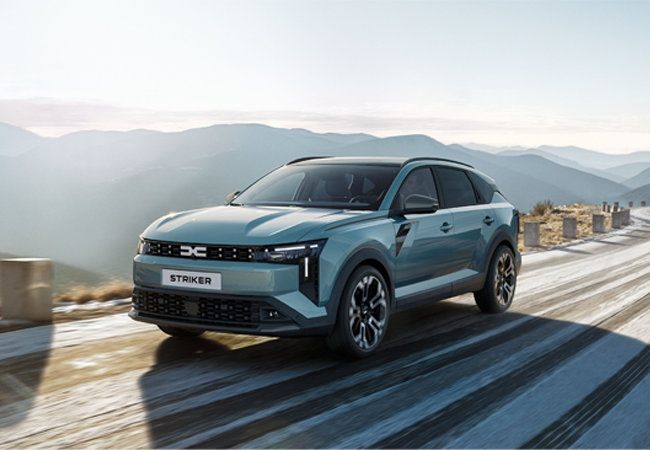
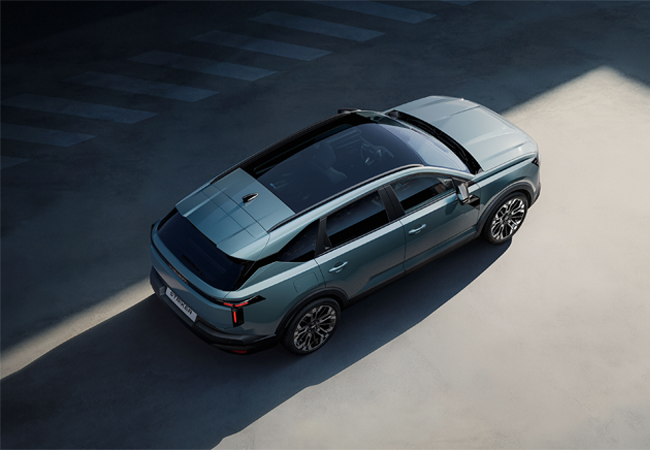
One of the most exciting announcements in Dacia’s strategy is the introduction of Striker, a brand-new C-segment crossover.
Striker has been designed to combine the best qualities of multiple vehicle types:
- The dynamism of an estate car
- The practicality of a spacious hatchback
- The ground clearance of an SUV

A Bold and Robust Dacia Design
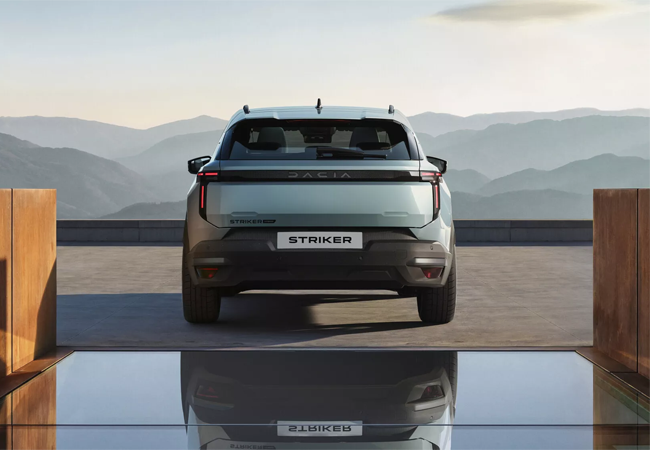
Remaining faithful to Dacia’s design philosophy, Striker features a strong and confident visual identity.
Its styling includes:
- Dynamic body lines
- An aerodynamic silhouette
- A bold vertical front design
- A new modern daytime running light signature
The vehicle also incorporates several distinctive design details, such as a unique front-door animation and a gloss black rear light link connecting the tail lamps.
These elements are enhanced by a technical surface texture, reinforcing the car’s modern and durable character.
Engineered for Real-World Efficiency
Striker represents Dacia’s ambition to make electrified mobility accessible in the C-segment.
The model’s aerodynamic design reflects a pragmatic engineering approach, focusing on efficiency and everyday usability rather than unnecessary complexity.
At 4.62 metres long, Striker complements Bigster perfectly. Together, the two vehicles form a robust C-segment line-up designed to strengthen Dacia’s presence in one of Europe’s most important market segments.
Powertrain Options and Pricing
Striker will offer a versatile powertrain range, including:
- A hybrid version
- A hybrid 4×4 variant
- An LPG-powered model
With starting prices below £21,652 (€25,000), Striker will significantly expand access to electrified mobility for both private buyers and fleet customers.
When will the Dacia Striker Be Revealed?
The new model was first shown in an early preview at futuREady, Renault Group’s Strategy Day.
The full reveal of Dacia Striker is scheduled for June, when more details about the vehicle’s design, technology and specifications will be announced.
The Meaning Behind the Name “Striker”
The Striker nameplate comes from a universal expression meaning “to strike” or “to hit the mark.”
Bold and impactful, the name reflects Dacia’s spirit of ambition and determination.
It also symbolises the robustness, versatility and practicality of a model designed to become the ideal travel companion for modern drivers.
Dacia’s Next Chapter Begins
Dacia’s 2030 strategy demonstrates that affordable mobility and technological progress can go hand in hand.
With new electric vehicles, expanded hybrid options, a stronger presence in the C-segment and the arrival of the Dacia Striker, the brand is preparing for a new era of growth.
At the same time, Dacia remains committed to its founding principle: delivering essential, robust and accessible vehicles that meet the real needs of everyday drivers.
*Prices are correct at the time of writing, they may vary once the official release comes in June 2026.