
Vauxhall is changing the way it builds cars. As pressure grows on manufacturers to cut their environmental impact, the British brand is making sustainability a central part of how it designs, builds and sells its vehicles.
It is a big shift for a company with over a century of history, but one Vauxhall has committed to fully, from the factory floor through to the cars on your driveway.

From Humble Beginnings to Environmental Responsibility
The car changed how we live, but early vehicles came at a cost. As car ownership grew, so did the problems: air pollution, greenhouse gas emissions and heavy use of natural resources.
Vauxhall has set out to reduce its environmental footprint in response. That means investing in new technology at every stage of production, from its manufacturing plants right through to the cars themselves.
The goal is simple: to lead the way in sustainable car manufacturing and help push the whole industry towards a greener future.

Embracing Corporate Sustainability
For Vauxhall, sustainability goes beyond building eco-friendly cars. It covers the whole organisation and how it operates.
As part of Stellantis, Vauxhall has committed to a clear target: carbon net zero by 2038. That covers everything, not just the vehicles but the manufacturing plants, facilities and the entire supply chain.
The plan rests on two pillars. The first is decarbonisation, cutting carbon emissions across the business. The second is building a circular economy, where materials are reused rather than thrown away.
Together, these commitments are designed to make Vauxhall a genuinely sustainable organisation, one that reduces its impact through the way it does business as well as the cars it builds.
Vauxhall End-of-Life Sustainability

Vauxhall’s responsibility does not end when a car leaves the showroom. It runs through the vehicle’s whole life, right up to the day it comes off the road.
When a Vauxhall reaches the end of its life, authorised dismantlers recover and reuse as much material as possible, keeping parts and raw materials in circulation rather than sending them to waste.
It means the environmental footprint of every Vauxhall is managed from the factory to final disposal.
That last paragraph was mostly a restatement of the first two, so it is now a single closing line rather than a full recap.
Recycle your Vauxhall
Car recycling is a legal requirement under End-of-Life Vehicle (ELV) regulations, not just good practice. Since 8 June 2006, manufacturers must minimise waste during production and when vehicles reach the end of their life.
Since 1 January 2007, Vauxhall owners have been able to return vehicles to authorised partners for free end-of-life take-back, subject to certain conditions. Each location is independently certified for ELV compliance, while Vauxhall’s recycling experts regularly audit partner processes and documentation.
Product Sustainability: The Road to Electrification
The biggest emissions savings come from the vehicles themselves. That is why Vauxhall has invested heavily in electric and hybrid models, alongside efficiency-focused engineering like Vauxhall ecThe biggest emissions savings come from the vehicles themselves, which is why Vauxhall has invested in electric and hybrid models and efficiency-focused engineering like ecoTEC.
ecoTEC is not a single engine, but a package of efficiency measures:
- Fuel-efficient engines: Advanced diesel and turbo petrol engines deliver lower emissions without sacrificing performance.
- Efficient engineering: Improved aerodynamics, Start/Stop technology and low rolling resistance tyres reduce wasted fuel.
- Smart features: Lightweight alloy wheels improve fuel economy, while dashboard displays show real-time driving efficiency.
For businesses running fleets, these benefits multiply. Lower fuel consumption and CO2 emissions mean reduced running costs and greater range between refuelling.
Note: ecoTEC is older Vauxhall branding, and much of the current UK range uses Electric and Hybrid-e badging. Check Vauxhall’s current UK site before publication.
Vauxhall Electric and Hybrid Cars
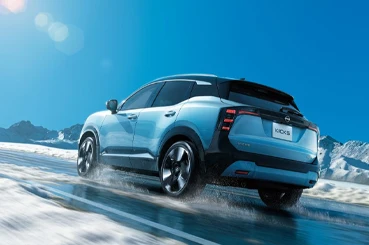
To explore the latest offerings in this exciting space, visit our dedicated Vauxhall Electric and Hybrid hub. Here, you’ll discover popular models like the Corsa-e and Mokka-e, demonstrating Vauxhall’s commitment to giving consumers the power to choose a sustainable future.
These electric and hybrid vehicles showcase technological innovation and Vauxhall’s dedication to environmentally conscious options that meet today’s drivers’ needs.

By taking these comprehensive and multifaceted steps, Vauxhall is demonstrating its unwavering commitment to environmental sustainability. As they continue to innovate and push the boundaries of automotive technology, they are not just building greener cars; they are paving the way for a greener future for the entire industry.