
Polestar’s Formula 2030 concept previews the design direction of its future electric cars, combining sharper styling, driver-focused technology and more sustainable materials. Although it is not a confirmed production model, several of its features offer clues about what could appear in the brand’s next generation of vehicles.
The striking four-door sports car brings together performance and Scandinavian design in one distinctive package. It also introduces new lighting signatures, an innovative cockpit and fresh approaches to interior materials.
Developed as part of Polestar’s wider Formula 2030 strategy, the concept marks an important step in the Swedish brand’s design evolution.
A New Direction for Polestar Design
Formula 2030 represents the first show car developed under Philipp Römers, Polestar’s Head of Design. His approach builds on the visual identity established by the brand’s existing models.
However, the concept is not simply an exercise in making familiar styling more dramatic. It explores how Polestar can develop its design language while keeping its core principles intact.
Those principles are clear: remove unnecessary details, improve what remains and avoid compromising on design, performance or sustainability.
The concept also gives Polestar a platform to demonstrate how these values might influence its next generation of electric cars.
Sports Car Proportions With Everyday Practicality
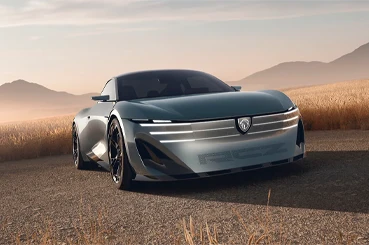
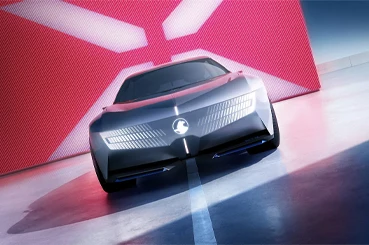
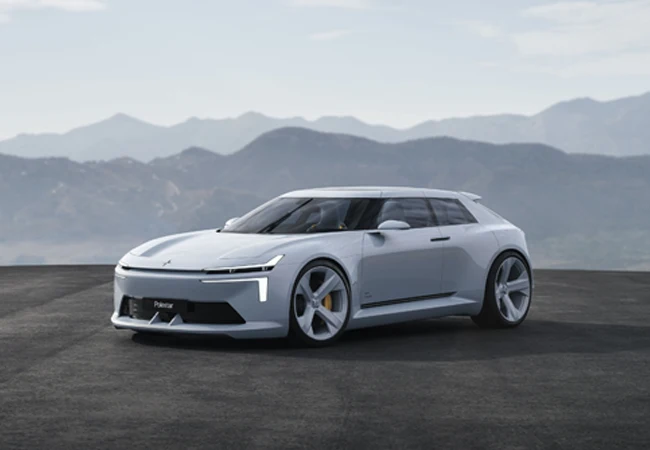
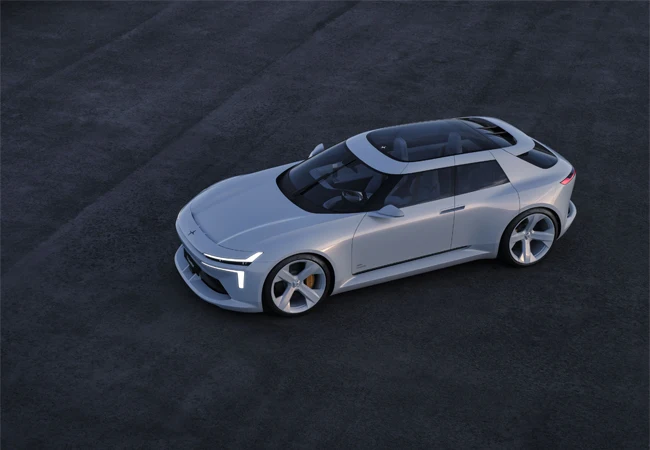
The Formula 2030 concept measures 4,680mm long, 2,021mm wide and 1,350mm high. Its wheelbase stretches to 2,780mm, giving it a wide, planted stance.
Despite its performance-focused appearance, the car features four doors and four individual seats. Its proportions suggest a blend of sports car character and everyday usability.
The styling makes its intentions clear. A long bonnet, short overhangs and muscular rear haunches create a traditional performance-car silhouette. Large 22-inch wheels add further visual impact.
At the front, Polestar introduces its distinctive Dual Blade headlights. These draw inspiration from the Polestar 3 and offer a preview of the next-generation Polestar 2, due in 2027.
The front end also features a pronounced shark-nose profile and deep splitter. A central spine runs through the front section, reinforcing the car’s purposeful appearance.
Another unusual feature is its single, vertically mounted windscreen wiper. The wraparound windscreen and panoramic glass roof add to the concept’s distinctive character.
At the rear, Polestar moves away from its familiar full-width lightbar. Instead, a new Single Blade lighting signature creates a sharper and more individual look.
A centrally mounted rear wing and prominent diffuser complete the exterior. Both highlight the importance of aerodynamic thinking in the concept’s design.
A Driver-Focused Interior With Physical Controls
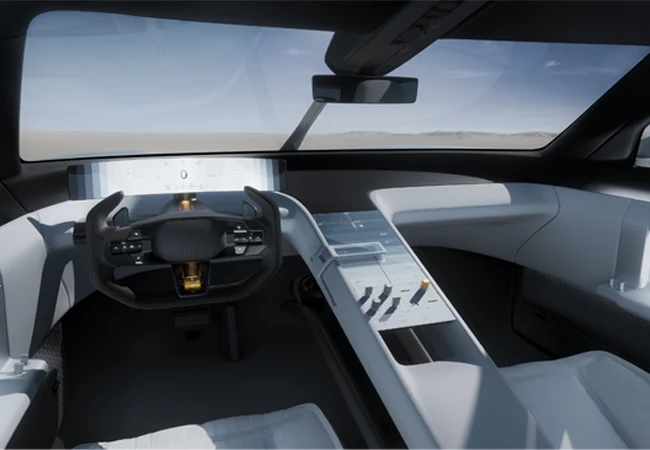
Inside, Formula 2030 puts the driver firmly at the centre of the experience. Its cockpit combines two strategically positioned displays with physical controls and an adaptable driving position.
The standout feature is the 20-inch HyperDIM display, mounted directly to the steering column. This keeps essential driving information within the driver’s natural line of sight. A separate 12.2-inch central screen sits within the rising centre console, creating a clean and uncluttered dashboard.
Polestar also wants to strike a better balance between digital technology and traditional controls. Eight customisable physical controls sit beneath the central screen, giving occupants quick access to frequently used functions. These can be configured with different options, including rotary controllers and rocker switches.
The technology extends to three selectable driving modes: Performance, Normal and Autonomous. Each mode physically changes the cabin to suit the driving experience. The steering wheel, seats and central display all move into different positions.
Performance mode creates the most engaging driving environment. The steering wheel and HyperDIM move closer to the driver, while the central screen lowers until it sits flush with the dashboard. Autonomous mode takes a different approach, moving the steering wheel and seat apart while raising the central display for easier viewing.
The four individual seats also reflect the concept’s performance ambitions. Inflatable bolsters and cushions adapt to each occupant, providing support during acceleration and cornering. Their low mounting position further reinforces the sporting character.
Technology remains a key part of the experience, too. Google Gemini features through Google built-in, providing occupants with an advanced, conversational voice interface.
Sustainable Materials Take Centre Stage
Sustainability remains central to the Formula 2030 concept. Polestar has explored ways to reduce waste and make more components easier to recycle.
One example is its continued development of a mono-material approach. The door interiors use a strategy designed to support full recyclability.
The cabin also features exposed structural components made from low-emission galvanised steel. These include parts of the seat frames and cross-car beam.
Polestar says recycled raw materials and renewable energy help reduce the environmental impact of these components.
The seat backs use a bio-based composite made from European flax and bio-based polypropylene. This offers an alternative to conventional virgin plastics.
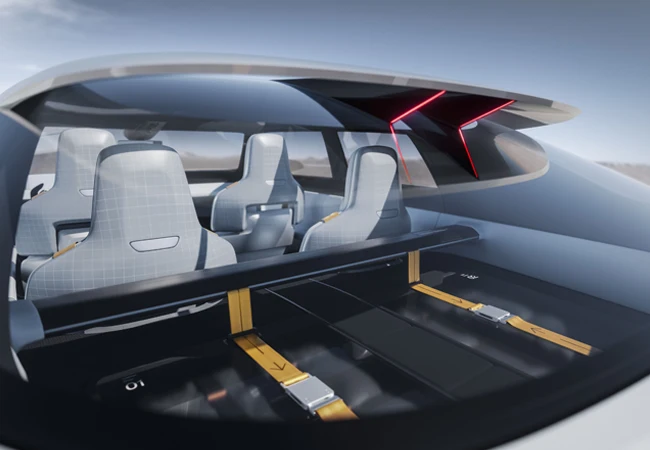
Natural fibre composites also feature in the luggage area. The rear clamshell opens to reveal the structure beneath the boot floor, including materials developed with Bcomp.
These choices show how Polestar wants sustainability to influence the construction of its future cars. It is not limited to the materials that occupants can see.
A Distinctive New Colour and Gold Details
The exterior introduces Nitrogen, a new concept-specific colour designed to respond to changing natural light. Different gloss, matt and satin finishes give individual surfaces their own character.
The colour extends across the bodywork, including the wheels and aerodynamic components. This creates a consistent appearance without making every surface look identical.
Polestar’s signature Swedish Gold provides a contrasting accent. It appears on the Brembo brake callipers, valve caps, interior details and seatbelts.
The same colour also features around the luggage area. A gold strut brace frames the front storage compartment, which has space for items such as race helmets.
What Does Formula 2030 Mean for Future Polestar Cars?
Formula 2030 is a design concept rather than a confirmed production model. Polestar has not provided power, torque, acceleration or driving range figures for the car.
Its importance lies in the ideas it introduces. The Dual Blade headlights point towards future exterior styling, while the Single Blade rear lights offer another potential signature feature.
The interior also provides clues about where the brand is heading. Its driver-focused layout, configurable physical controls and adaptable displays suggest a more tactile approach to future electric car cabins.
Most importantly, the concept shows that Polestar wants performance and sustainability to work together. Its next design chapter will not rely on dramatic styling alone.
Formula 2030 brings those ambitions into one bold package. Whether individual details reach production remains to be seen, but the concept offers a clear indication of Polestar’s direction for the years ahead.