
When you’re choosing your next car, the colour might seem like a simple aesthetic decision, but there’s a fascinating world of science, history, and innovation behind every shade that rolls off the production line.
From the iconic Ferrari red that’s dominated racetracks for decades to the latest colour-changing technology, car paint has evolved into something truly remarkable.
How Car Colours Are Chosen and Created
The process of selecting and creating car colours is far more complex than you might imagine.
Manufacturers employ colour specialists who study everything from fashion trends to cultural preferences when developing their colour palettes.
They consider factors like regional preferences, target demographics, and even psychological responses to different hues.
The actual creation of car paint involves sophisticated chemistry.
Modern automotive paints are multi-layer systems that might include primer, base coat, colour coat, and clear coat layers.
Each serves a specific purpose, from corrosion protection to UV resistance and scratch resistance.
Paint formulation also considers practical factors like how colours will look under different lighting conditions, how they’ll age over time, and how easy they’ll be to repair if damaged. Our guide on how people select colours explores this fascinating process in more detail.
Iconic Car Colours That Made History
Some car colours have transcended mere paint jobs to become cultural symbols. These legendary colours have stories that go far beyond the factory floor.
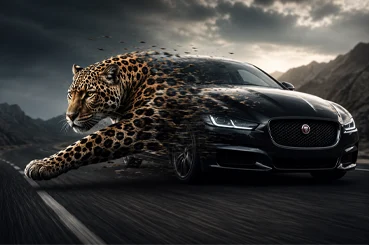
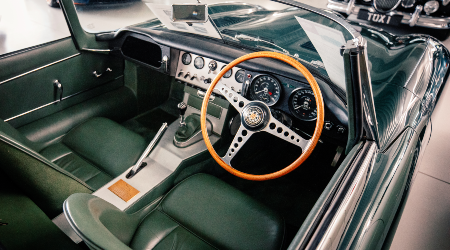
British Racing Green carries the pride of a nation. This deep, rich green was the official colour for British racing cars in international motorsport, and it’s remained a symbol of elegance and sporting pedigree. You’ll still see this classic colour on everything from vintage Aston Martin to modern Jaguar cars.
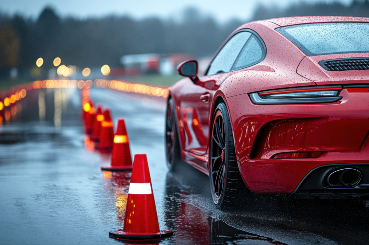
Porsche Guards Red represents German precision and performance. This vibrant, almost orange-tinged red has been a Porsche signature since the 1960s and continues to be one of their most popular special colours.
Ferrari Red (Rosso Corsa) remains the most recognisable car colour in the world. This distinctive shade originated from Italy’s racing colour in international competitions and has become synonymous with speed, luxury, and Italian craftsmanship.
It’s not just red – it’s a specific, carefully formulated shade that captures the essence of Ferrari’s racing heritage.
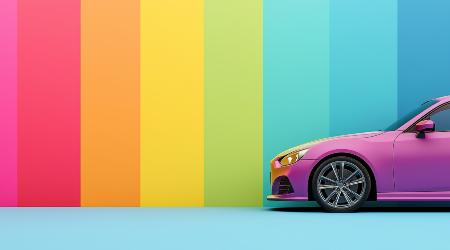
Perhaps surprisingly, Barbie Pink has also earned its place in automotive history, particularly through its association with the Chevrolet Corvette. This playful colour has appeared on various special editions and custom builds, proving that car colours can be both fun and iconic.
What Are Britain’s Favourite Car Colours?
The most popular car colours in the UK consistently reflect our practical nature, whilst still showing some personality. White has dominated the charts for several years running, accounting for roughly a quarter of all new car sales. It’s followed closely by black, grey, and silver – colours that maintain their appeal due to their versatility and resale value.
However, we’re seeing growing interest in blue shades, from deep navy to lighter metallic blues, as drivers seek something distinctive yet sophisticated. Red continues to hold its ground, particularly among sports car enthusiasts, whilst green is making a surprising comeback as environmental consciousness grows.
The Art and Science of Car Paint Types
Modern car paint isn’t just about colour – it’s about creating depth, protection, and visual impact through different finish types.
Solid colours remain the most straightforward and cost-effective option, offering clean, consistent coverage without additional metallic or pearlescent elements.
Metallic paints incorporate tiny metal particles that create depth and sparkle, particularly noticeable in sunlight. These finishes are incredibly popular because they add visual interest whilst still maintaining broad appeal.
Matt finishes have gained tremendous popularity in recent years, offering a sophisticated, contemporary look that stands out from traditional glossy paints. However, they require specific care and maintenance to keep them looking their best.
Pearl and pearlescent paints use mica particles to create colour-shifting effects that change depending on viewing angle and lighting conditions. These premium finishes offer stunning visual depth but come at a higher cost.
Two-tone paint schemes are making a strong comeback, particularly on SUVs and luxury vehicles. These combinations allow manufacturers to highlight design features whilst giving customers more personalisation options.
Fiat Say Goodbye to Grey
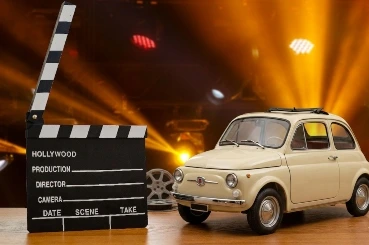
In a surprising decision, Fiat announced they’re no longer manufacturing grey cars, reflecting their commitment to more vibrant, distinctive colour options.
Whilst other manufacturers continue offering grey and matt finishes that grow in popularity, Fiat’s choice demonstrates their desire to encourage more expressive colour selections. You can read more about this decision in our detailed analysis on Fiat’s discontinuation of grey car production.
Car Colours to Consider and Avoid
When choosing your car colour, consider your lifestyle, climate, and personal preferences. Light colours like white and silver are excellent for hot climates as they reflect heat and show dirt less readily.
However, they can appear bland in certain lighting conditions.
Dark colours like black create a stunning visual impact but require more maintenance and can become uncomfortably hot in summer. They also show scratches and swirl marks more readily.
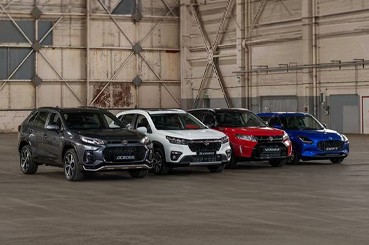
Bright colours like red, blue, and yellow make strong statements and can help with visibility, but they may not suit all tastes and can affect resale value depending on market preferences.
Revolutionary Car Paint Technology
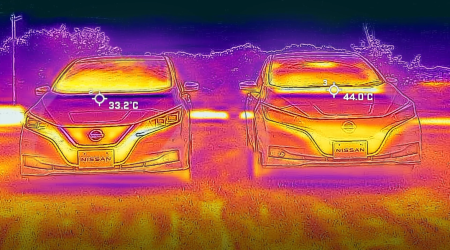
The automotive paint industry is experiencing unprecedented innovation. Nissan’s groundbreaking cool paint technology represents a quantum leap forward in automotive comfort and efficiency.
This revolutionary coating can reduce surface temperatures by up to 12 degrees Celsius compared to traditional paint, potentially reducing air conditioning usage and improving fuel efficiency.
The technology works by incorporating special materials that reflect near-infrared rays, which typically contribute to heat buildup on vehicle surfaces.
This isn’t just clever marketing – it’s genuine innovation that could transform how we think about car comfort and energy efficiency. You can read more about this fascinating development in our detailed article on Nissan’s cool paint technology.
We’re also seeing developments in colour-changing paints, self-healing clear coats, and even paints that can display digital information. These technologies are still in their infancy, but they hint at an exciting future where car colours could be truly dynamic.
The Environmental Impact of Car Paint
It’s worth noting that car painting has significant environmental implications. Mazda’s research indicates that approximately 60% of manufacturing CO2 emissions come from the painting process, highlighting just how important this aspect is for achieving carbon neutrality in automotive production.
This has prompted manufacturers to invest heavily in more efficient painting processes and environmentally friendly paint formulations.
Making a Statement: Fiat RED Partnership
Some car colours carry deeper meaning beyond aesthetics. Fiat’s partnership with (RED) demonstrates how colour can be used to support important causes. The Fiat RED initiative sees the manufacturer donating funds to fight AIDS through specially designated red vehicles.
This partnership with (RED) shows how choosing a particular car colour can contribute to global health initiatives whilst making a bold style statement.
Identifying Your Car’s Exact Colour
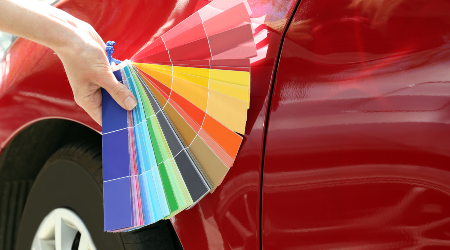
Wondering exactly what colour your car is? Most vehicles have a paint code located on the VIN plate somewhere on the bodywork or in the engine bay.
This code corresponds to the manufacturer’s specific colour formula. You can often find comprehensive colour charts online that help identify your exact shade, particularly useful when you need touch-up paint or are considering paint protection options.
Maintaining That New Car Shine
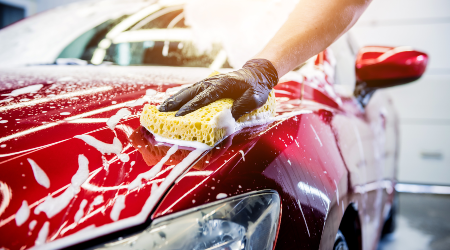
Regardless of which colour you choose, protecting your car’s paint should be a priority. Modern car paint faces numerous challenges, from UV rays and acid rain to car park dings and stone chips.
Professional car paint protection services can help maintain your vehicle’s appearance and protect its resale value.
Whether you opt for paint protection film, ceramic coatings, or regular professional detailing, taking care of your car’s paintwork is an investment in its long-term value and appearance.
Our guide on how to car detail like a pro offers practical advice for maintaining that showroom shine.
The Colour Revolution: What’s Next for Car Paint
The world of car colours and paint continues to evolve at an exciting pace. From manufacturers dropping traditional colours like grey to the development of innovative technologies that can actively cool your car, we’re witnessing a transformation in how we think about automotive aesthetics and functionality.
Whether you’re drawn to classic colours with rich automotive heritage or excited by the latest technological innovations, there’s never been a more interesting time to explore the world of car colours.
The choices available today offer unprecedented opportunities for personal expression whilst incorporating genuine technological advancement.
Your car’s colour is more than just a finish – it’s a reflection of your personality, your values, and your vision of the future. Choose wisely, and don’t forget to protect your investment with proper care and maintenance.