
Every year, thousands of lives are impacted by accidents caused by driving under the influence of alcohol or drugs. Despite laws in place to deter drink and drug driving, many individuals still underestimate the risks. Knowing the dangers, understanding your limits, and making responsible decisions can be the difference between life and death.
What is Drink Driving?
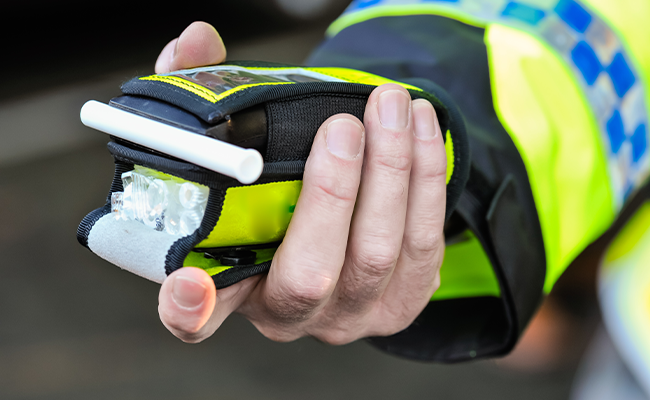
Drink driving occurs when a person operates a vehicle with alcohol in their system beyond the legal limit. Alcohol impairs critical skills needed for safe driving—such as reaction time, coordination, and judgement—which significantly raises the risk of accidents.
According to Brake, in the UK, drink driving accounts for 15% of all road fatalities. In 2021, over 7,800 people were injured or killed in drink-driving incidents. These staggering statistics show the life-threatening consequences of driving under the influence and underline the need for personal responsibility.
A brief overview of drink-drive legislation
| 1960 – The Road Traffic Act: Formally defined the offence of being “unfit to drive through drink or drugs.” At this stage, conviction relied heavily on subjective police observations. | 1962 – The Marples Act: Introduced “impairment” as a legal standard. It sanctioned the use of blood, urine, or breath samples as evidence, though testing was not yet mandatory. | 1967 – Road Safety Act: A landmark law that introduced the first legal limit of 80mg of alcohol per 100ml of blood and authorised the use of the roadside breathalyser. |
| 1981 – Transport Act: Introduces evidential breath testing, stating 35 micrograms of alcohol in 100 millilitres of breath, the maximum legal breath alcohol limit. | 1983 – High-Risk Offenders Scheme: Established a programme for convicted drivers with serious drinking problems to undergo medical checks before reclaiming their licence. | 1991 – Road Traffic Act: Introduced the offence of “Causing death by driving while under the influence.” (Note: Sentencing for this has since been increased). |
| 2002 – Extended Re-sit Test: Mandatory for those convicted of causing death by driving while under the influence. | 2014 – Scotland reduced drink-drive limit: Scotland lowered its limits for a stricted regime compared to the rest of the UK – the figures are: 22 micrograms of alcohol in 100 millilitres of breath; or 50 milligrams of alcohol in 100 millilitres of blood; or 67 milligrams of alcohol in 100 millilitres of urine. | 2022 – Sentencing Reform: The Police, Crime, Sentencing and Courts Act increased the maximum penalty for causing death by dangerous driving from 14 years to life imprisonment. |
| 2024 – DVLA Medical Review: Updated guidelines for “High-Risk Offenders,” requiring more rigorous proof of sobriety and biological markers for those seeking to reclaim their licences. |
What is the Drink Drive Limit?
The legal alcohol limit for driving differs slightly between England, Wales, Northern Ireland and Scotland:
- In England, Wales, and Northern Ireland:
- Breath: 35 µg per 100 ml
- Blood: 80mg per 100 ml
- Urine: 107mg per 100ml
- In Scotland:
- Breath: 22 µg per 100 ml of breath.
- Blood: 50mg per 100ml
- Urine: 67mg per 100ml
These limits indicate the concentration of alcohol that impairs a person’s driving ability, although it’s important to note that impairment can begin even at lower levels.
How Many Units Can You Drink and Drive?
The concept of “units” provides a way to measure alcohol intake.
One unit equates to approximately 10 ml (or 8 grams) of pure alcohol. For example:
- A pint of higher-strength lager (5.2%) is about 3 units.
- A small glass of wine (125ml at 13%) is approximately 1.6 units.
However, as the NHS highlights, there’s no safe or reliable way to predict how many units you can consume and still stay under the legal limit.
Each person’s tolerance and metabolism vary based on factors like gender, age, weight, food intake, stress levels, and even fatigue. So, the safest approach is to avoid alcohol entirely if you plan on driving
How to Avoid Drink Driving
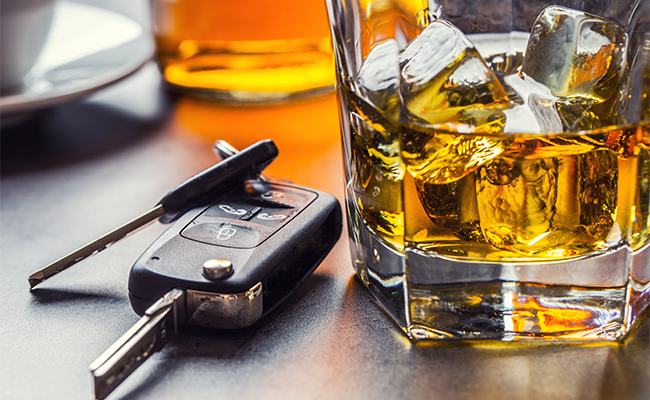
Staying safe on the road requires planning, especially if you know you’ll be in situations where alcohol is involved. Here are some strategies:
- Plan Ahead: Arrange alternative transportation, such as a taxi or rideshare, if you intend to drink.
- Choose a Designated Driver: Rely on a friend who will commit to staying sober.
- Consider Alcohol-Free Events: Opt for activities that don’t involve alcohol. (Why not opt for some of our mocktail recipes in our blog)
- Stay Over: If you’re visiting friends or family, see if you can stay overnight.
- Try Alcohol-Free Alternatives: Many bars and restaurants offer great alcohol-free options.
How Long After Drinking Can You Drive?
After consuming alcohol, there is no precise timeframe for when it’s safe to drive. Your body requires time to metabolise alcohol, typically taking about one hour per unit.
However, if you’ve consumed a significant amount, experts recommend waiting at least 12 to 24 hours to ensure alcohol has fully cleared from your system. Remember, only time can reduce blood alcohol levels, not coffee or cold showers.
Why It’s Important to Know Your Limits
Knowing your limits doesn’t mean testing how much you can drink before reaching the legal limit; it means understanding that alcohol affects everyone differently. Even small amounts of alcohol can impact driving abilities, making it crucial to prioritise safety over convenience.
Legal Consequences of Drink and Drug Driving
Driving under the influence is treated as a serious offence in the UK, with strict penalties for those who break the law:
- Fines: An unlimited fine.
- Driving Bans: A minimum 12-month ban (3 years if convicted twice in a decade).
- Imprisonment: Up to 6 months for standard offences, and life imprisonment for causing death.
- Criminal Record: This stays on your licence for 11 years and can prevent travel to countries like the USA.
In addition to legal penalties, a conviction can raise your car insurance costs and damage your employment prospects.
The Risks of Drug Driving
Since 2015, the UK has operated a zero-tolerance policy for illegal drugs. If you are caught with even trace amounts of substances like cannabis or cocaine in your system, you face the same penalties as drink driving. Certain prescription medications are also restricted if they impair your ability to drive.
A Final Word: Prioritise Safety for Yourself and Others
Drink and drug driving have profound effects on drivers, passengers, and innocent bystanders. Recognising the impact of impaired driving is a fundamental step in preventing accidents and preserving lives. By understanding the risks, planning alternatives, and always prioritising a clear mind, each of us can contribute to making our roads safer for everyone