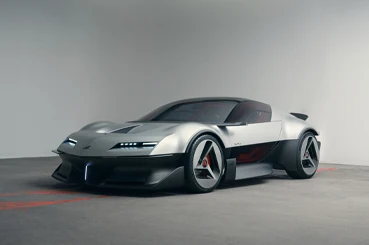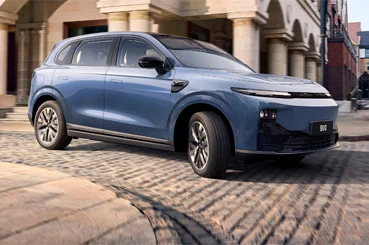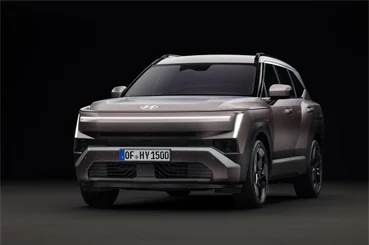

Renault has revealed an ambitious roadmap for the future of the brand as part of the Renault Group futuREady strategic plan. The strategy outlines how the manufacturer plans to accelerate growth, expand internationally and dramatically increase electrification across its entire model range before the end of the decade.
The plan centres on three major objectives: strengthening Renault’s leadership in Europe, accelerating the transition to electrified vehicles and expanding the brand’s global presence.
According to Fabrice Cambolive, Chief Growth Officer at Renault Group and CEO of the Renault brand, the strategy marks the beginning of a new growth phase.
“We are now accelerating the next cycle of growth for the Renault brand thanks to three powerful drivers. Our ambition is clear: strengthen our European leadership, accelerate electrification, and go faster internationally to confirm Renault as the number one French automotive brand worldwide.
By 2030, our objective is to sell two million vehicles worldwide, with half of sales generated outside Europe.
Renault is aiming for 100% electrified sales in Europe and 50% electrified sales outside Europe, while delivering strong and sustainable profitability.”
Renault’s Plan to Strengthen Its Position in Europe
In Europe, Renault plans to introduce 12 new models by 2030, creating a comprehensive line-up that offers the right technologies for each market and customer segment.
The strategy focuses on maintaining leadership in smaller vehicles while strengthening Renault’s position in larger segments.
Continued Dominance in the A and B Segments
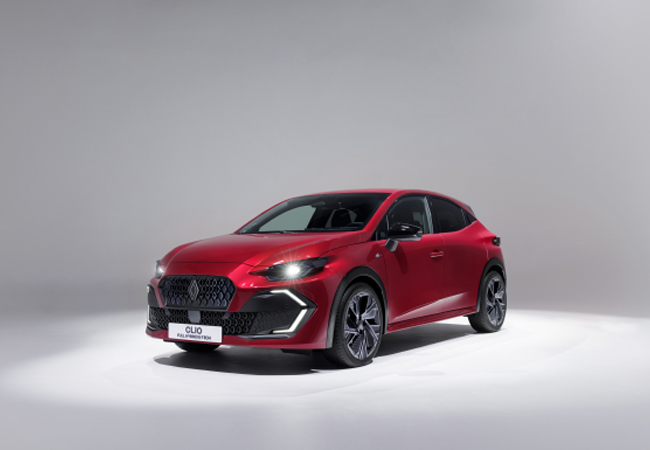
Renault has long been a dominant player in the A and B segments, and the company intends to build on that success.
Recent launches forming the backbone of this strategy include:
These models create a strong and complementary range of compact vehicles, with the Twingo E-Tech Electric expanding Renault’s presence in the A-segment city car category.
A New Generation of C and D Segment Vehicles
Currently representing around 30% of Renault’s total sales, the C and D segments will soon receive a new generation of vehicles.
Renault plans to introduce both hybrid and electric models in these categories, bringing advanced technologies to customers while maintaining competitive pricing.
The goal is to create a steady stream of innovation while improving vehicle affordability.
Renault’s Electrification Strategy
Electrification is central to Renault’s long-term strategy.
The brand aims to achieve 100% electrified vehicle sales in Europe by 2030, combining fully electric and hybrid powertrains.
Hybrid Powertrains Will Continue Beyond 2030
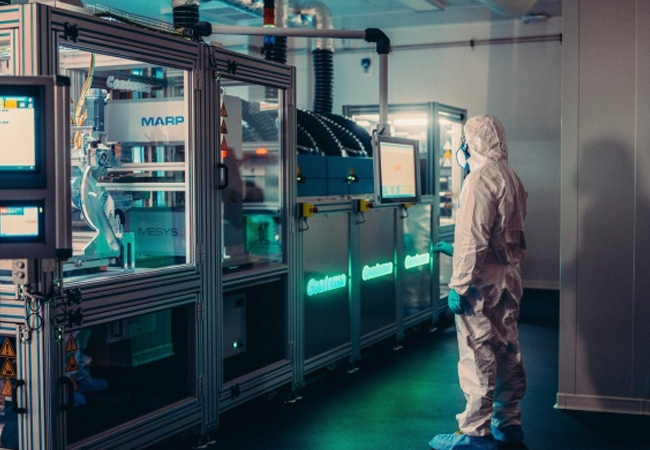
Renault has confirmed that its E-Tech full hybrid powertrain will remain part of the European model range even after 2030.
The hybrid system is recognised for delivering:
- Lower fuel consumption
- Reduced CO₂ emissions
- Smooth driving performance
For many drivers, hybrid vehicles represent the first step towards fully electric mobility.
Outside Europe, Renault will expand hybrid offerings to provide a practical alternative to diesel engines in markets where EV adoption is still developing.
Some vehicles will therefore offer electric, hybrid and traditional combustion engines depending on regional demand
New Electric Platform for Future Renault Models
Future Renault electric cars in the C and D segments will be built on the new RGEV Medium 2.0 electric platform.
Developed specifically for European markets, this advanced platform introduces several major technological improvements.
Key Features of the RGEV Medium 2.0 Platform
- Electric driving range of up to 750km WLTP
- 800V architecture for ultra-fast charging
- Advanced digital technologies
- Optimised efficiency and performance
The modular platform supports vehicles from B+ to D segments, allowing Renault to produce a wide range of body styles.
Three configurations will be available:
- Fully electric with up to 750km WLTP range
- Electric 4×4 models capable of towing up to two tonnes
- Electric with a range extender, delivering up to 1,400km of total range
This flexible approach provides drivers with the benefits of electric mobility while eliminating concerns about long-distance travel.
Electrification of Renault Commercial Vehicles
Renault is also accelerating the electrification of its light commercial vehicle range.
One of the most important upcoming models will be the Trafic Van E-Tech Electric, which will also become Renault’s first software-defined vehicle (SDV).
The van will include 800V charging technology, enabling rapid charging and offering a driving range of up to 450km.
Renault R-Space Lab: Exploring the Future of In-Car Living
Renault is also reimagining how drivers and passengers experience vehicles.
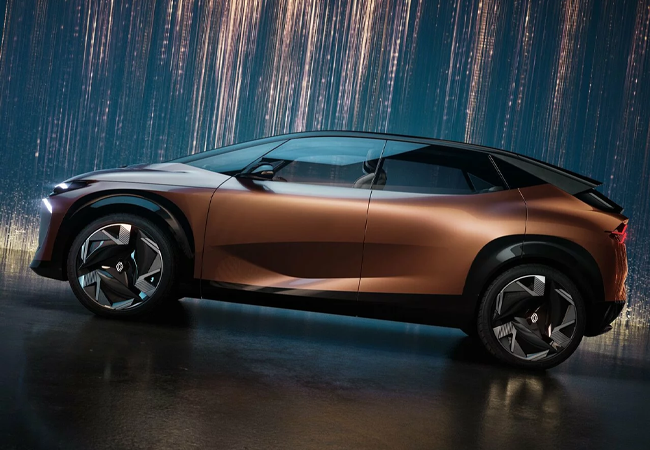
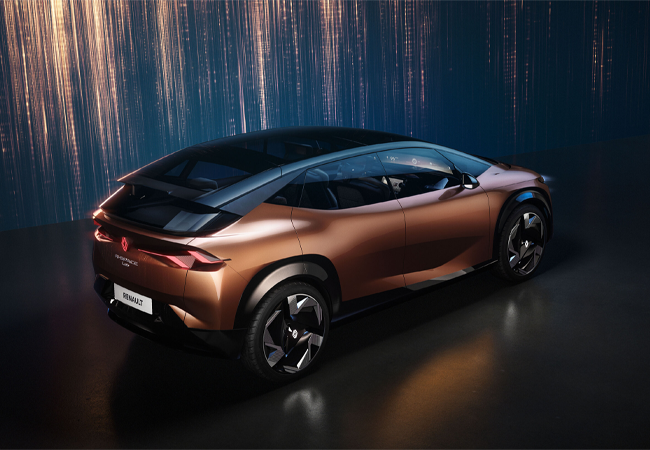
The Renault R-Space Lab concept acts as an innovation laboratory exploring the future of the brand’s famous “voitures à vivre” philosophy.
Developed in collaboration with the Futurama innovation lab, the concept demonstrates how vehicles could adapt to different lifestyles and everyday needs.
The R-Space Lab features a bright and modular cabin where interior space and technology can be reconfigured depending on how the vehicle is used.
Although it is not intended for production, the concept highlights Renault’s design direction and brand identity.
A High-Tech Cockpit Designed Around the Driver
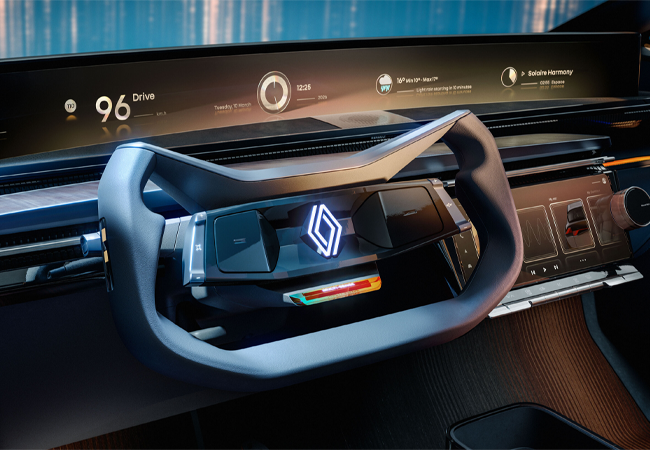
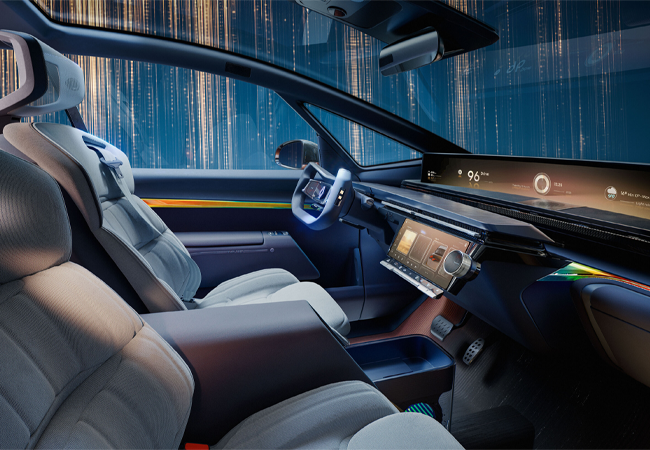
The cockpit in the R-Space Lab focuses on a human-centred design philosophy.
A large curved openR panorama display stretches across the entire dashboard, displaying:
- Speed information
- ADAS safety systems
- Multimedia content
The system is designed for maximum clarity and ease of use.
Most vehicle functions can be controlled through the central touchscreen, which operates similarly to a smartphone.
A compact steering wheel combined with steer-by-wire technology also improves visibility and driving comfort.
Artificial Intelligence and Advanced Safety
Renault is also exploring the use of artificial intelligence inside vehicles.
Several potential features include:
- A tactile alcohol detection system designed to educate young drivers
- AI-powered safety assistants
- Personalised driving recommendations
AI could also enhance Renault’s Safety Coach system, providing contextual guidance and helping drivers better understand vehicle functions.
Flexible and Spacious Interior Design
The R-Space Lab uses a one-box design measuring 4.5 metres long and 1.5 metres tall, allowing for a surprisingly spacious interior.
Innovative packaging solutions include airbags integrated directly into the seats rather than the dashboard.
This creates space for a multi-functional glovebox that can store items such as bags or tablets, or fold out to provide extra legroom for passengers.
The front passenger seat can also slide backwards to interact more easily with rear passengers or children in car seats.
A Modular Rear Seating System
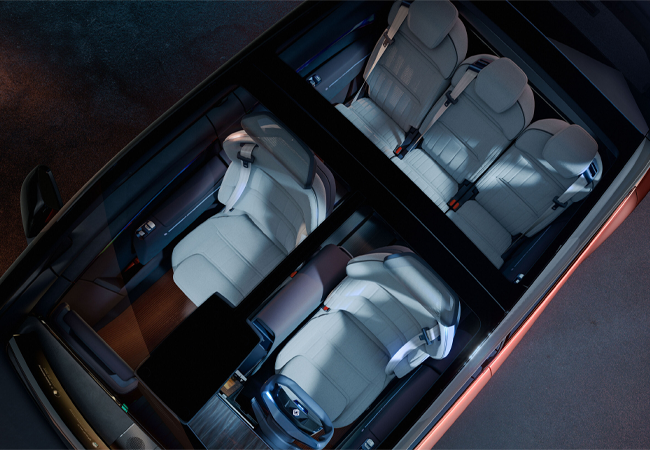
The rear cabin features three identical seats, each with slightly reclining backrests for added comfort.
The seats can fold or lift to create different configurations.
Examples include:
- Extra boot space for transporting bicycles
- Additional room for large items or pets
- Flexible family-friendly layouts
Rear doors opening to 90 degrees also make loading and access easier.
Renault’s Global Expansion Strategy
Renault’s ambitions extend far beyond Europe.
The brand already operates five key international hubs located in:
- Morocco
- Türkiye
- Latin America
- South Korea
- India
These hubs allow Renault to develop, produce and export competitive vehicles tailored to regional markets.
In 2025, Renault sold 620,000 vehicles outside Europe, representing an 11% increase compared with 2024.
Renault Bridger Concept: A Symbol of Global Growth
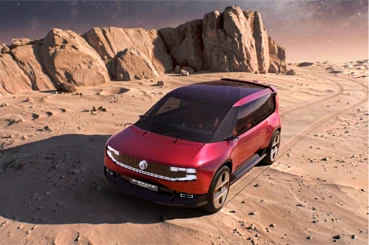
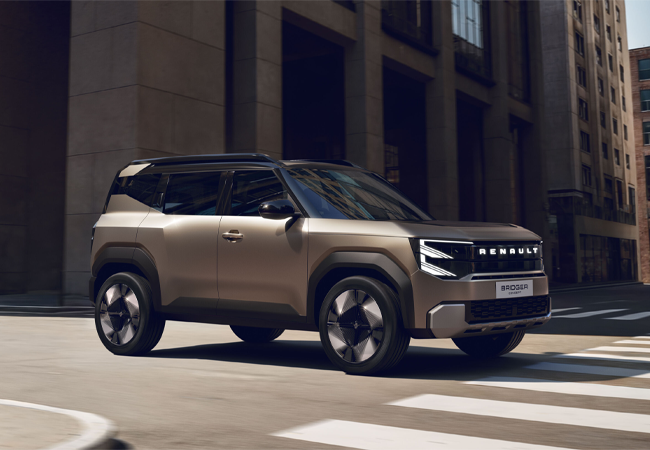
The Renault Bridger Concept represents the brand’s push into new international markets.
This sub-4-metre SUV is designed to set a new benchmark for urban mobility in the competitive B-segment SUV category.
Bold SUV Styling
The concept features strong and distinctive styling elements, including:
- 200mm ground clearance
- Large 18-inch wheels
- Sculpted front-end design
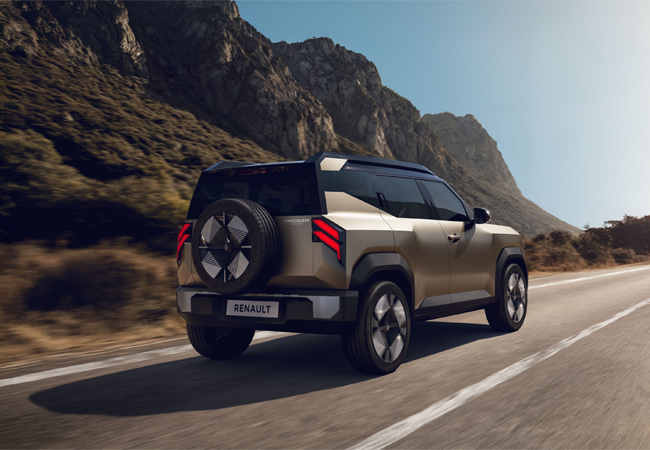
- Boot-mounted spare wheel
The Beige Dune Satin body colour and prominent Renault lettering on the grille add subtle sophistication.
Compact Size With Impressive Interior Space
Despite its compact size, the Bridger Concept offers excellent interior room.
Rear passengers benefit from 200mm of knee room, which Renault claims is a segment record.
The boot also offers 400 litres of storage capacity, making it highly practical for everyday use.
Production Version Planned for 2027
The Bridger Concept previews a production model expected to launch before the end of 2027, starting in India.
The vehicle will be built on the RGMP Small modular platform and will be available with:
- Combustion engines
- Hybrid powertrains
- Fully electric versions
After its launch in India, the model will gradually expand to other international markets.
Renault’s Vision for the Future
Overall, Renault’s futuREady strategy outlines a clear roadmap for the company’s next phase of growth.
With 26 new vehicles planned over the next four years, the brand aims to significantly increase global sales.
By 2030, Renault plans to achieve:
- Over two million vehicle sales worldwide
- 50% of sales outside Europe
- 100% electrified sales in Europe
- 50% electrified global sales
Through new technologies, electric platforms and expanded international production, Renault aims to position itself as one of the leading automotive brands in the global transition towards electrified mobility.