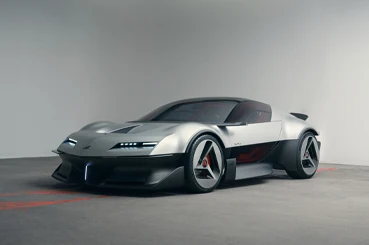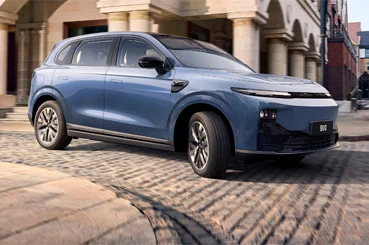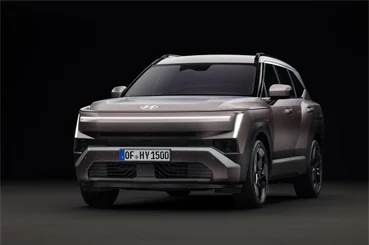

Ford has unveiled an ambitious vision for its future in Europe. It has done this with the launch of Ready, Set, Ford. This is a new global brand platform that will shape the company’s direction for the rest of the decade.
The strategy was announced at a major gathering of European dealers and partners. It combines exciting new passenger vehicles, smarter commercial vehicle solutions and a practical approach to reducing emissions. Ford has planned a wide-ranging product and technology rollout between now and 2030. Through this, the brand is reinforcing its commitment to drivers, businesses and communities across Europe.
The announcement comes at a pivotal moment for the automotive industry. Customer expectations are evolving. Electrification also continues to grow. Ford is aiming to offer more choice, more flexibility and more innovation. At the same time, it is staying true to the qualities that have defined the brand for generations.
Built around the themes of Build, Thrill and Adventure, Ready, Set, Ford highlights the areas where Ford believes it can make the greatest impact. The strategy supports businesses that want to maximise productivity. It also helps create engaging vehicles for everyday drivers. It supports the transition to lower-emission transport too. Together, this sets out a clear roadmap for the future.

What Is Ready, Set, Ford?
Ready, Set, Ford is Ford’s new global brand platform. It is designed to bring together its commercial vehicle expertise, passenger vehicle development and future mobility ambitions. These sit under one clear vision.
The strategy focuses on three key pillars:
- Build – supporting businesses through commercial vehicles, software and productivity services.
- Thrill – delivering engaging driving experiences inspired by Ford’s motorsport heritage.
- Adventure – creating vehicles that encourage exploration, capability and versatility.
The platform is more than a marketing campaign. It reflects Ford’s long-term commitment to investing in Europe. This will be done through new products, advanced technology and improved customer experiences.
As part of this vision, Ford plans to introduce a comprehensive range of new vehicles and services. These will meet the needs of both retail and commercial customers. They will also adapt to changing market demands.
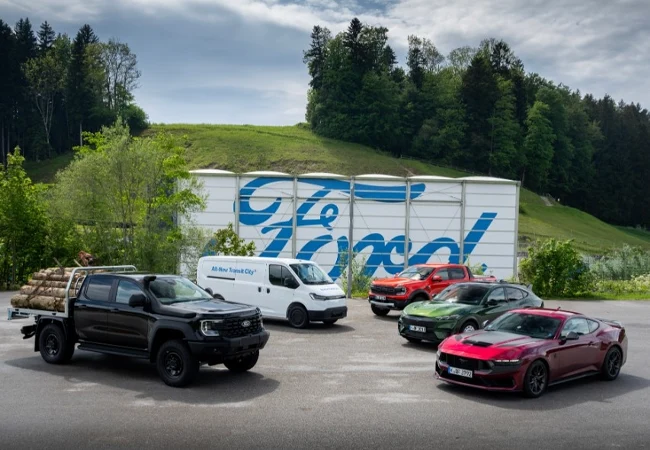
Cars With More Choice
One of the biggest announcements within the Ready, Set, Ford strategy was about Ford’s passenger vehicle range. The company plans to expand it.
Drivers have different priorities and lifestyles. Ford recognises this. Over the coming years, the brand plans to offer a broader selection of vehicles and powertrains.
Rather than pursuing a one-size-fits-all approach, the company is focusing on providing customers with greater flexibility.
By the end of 2029, Ford intends to launch five all-new passenger vehicles developed specifically for European customers.
A New Bronco for Europe
The iconic Ford Bronco family is set to grow with a new compact SUV that will be built in Valencia, Spain, from 2028.
The new model is designed to combine rugged styling with everyday practicality. It will bring the adventurous Bronco spirit to a wider audience across Europe.
A New Electric Hatchback
Ford is also developing a small electric hatchback. It is aimed at drivers who want efficient zero-emission motoring without sacrificing driving enjoyment.
The model will feature distinctive styling and dynamic handling characteristics inspired by Ford’s long-standing performance heritage.
A Compact Electric SUV
Alongside the hatchback, a fully electric small SUV will offer similar driving dynamics. It will come in a versatile package designed for urban and suburban lifestyles.
Two New Multi-Energy Crossovers
Completing the line-up will be two additional crossover models featuring multi-energy powertrain options.
This approach reflects Ford’s belief that customers should have access to different technologies. These depend on their individual needs. This could mean fully electric power, hybrid capability or traditional combustion engines.
These vehicles draw inspiration from more than a century of motorsport success. This is particularly true in rallying. They will be engineered to handle everything from busy city streets to winding mountain roads.
Vans That Work Harder
Commercial vehicles remain a cornerstone of Ford’s success in Europe.
Ford Pro has been Europe’s best-selling commercial vehicle brand for 11 consecutive years. It is now evolving beyond vehicle manufacturing to become a full productivity partner for businesses.
The company is investing heavily in connected technology, software and services designed to help operators maximise vehicle uptime and improve efficiency.
Smarter Connected Services
Since 2019, every Ford Pro vehicle has been equipped with an embedded modem. This allows it to share vehicle health information in real time.
Today, more than 1.2 million Ford Pro customers are connected across Europe. Together, they generate almost six million vehicle health signals every day.
This data enables Ford to identify potential maintenance issues before they become serious problems, helping businesses avoid costly downtime.
According to Ford, connected services delivered nearly one million additional days of uptime for customers. This was during the past year alone.
Dealer Uptime Services
Ford is also extending these benefits to smaller businesses through Dealer Uptime Services.
Dealers can use connected vehicle data to monitor vehicle health. They can contact customers before problems escalate. They can also prepare workshops and parts ahead of appointments.
Early pilot programmes suggest repair times can be reduced by as much as 50 per cent. They also suggest that up to 80 per cent of repairs can be identified before a breakdown occurs.
Businesses depend on their vehicles every day. For them, these improvements can make a significant difference to productivity and profitability.
Ranger Super Duty
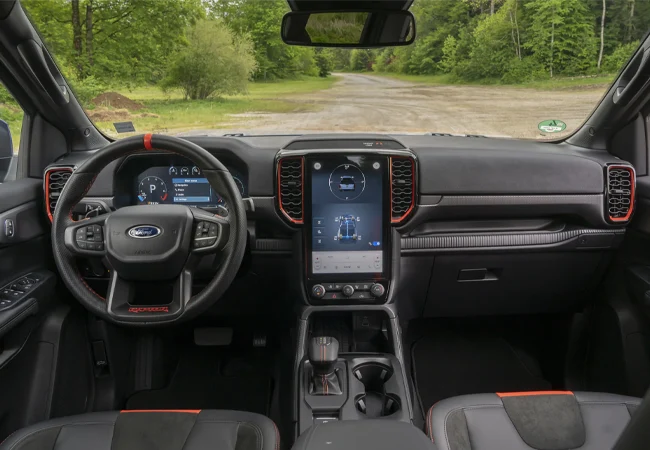
Ford has also expanded its commercial vehicle range with the introduction of the Ranger Super Duty.
Built for some of the toughest working environments imaginable, the vehicle is aimed at industries including forestry, mining, emergency services and defence applications.
It has a total combined mass of up to 8 tonnes. It also has a towing capability of up to 4.5 tonnes. Its payload approaches 2 tonnes. This makes it the most capable Ranger ever produced.
Transit City
At the other end of the commercial vehicle spectrum sits the new Transit City.
This all-electric van has been designed specifically for businesses in urban environments. In these areas, low-emission zones and electric-only restrictions are becoming increasingly common.
Offering a simple specification structure and practical design, Transit City aims to provide an affordable route into electric commercial vehicle ownership.
A Cleaner Way Forward
Reducing emissions remains a major priority for Ford. However, the company believes the transition must be realistic and achievable for customers.
Rather than focusing exclusively on battery-electric vehicles, Ford is advocating a broader approach that includes multiple technologies capable of reducing emissions immediately.
Supporting Real-World Adoption
Ford argues that vehicle regulations should reflect actual consumer demand and the availability of charging infrastructure.
The company wants customers to upgrade from older, higher-emission vehicles. Ford believes this can have a greater impact on emissions reduction. This may work better than forcing a rapid transition that some buyers may not yet be ready to make.
The Role of Hybrid Technology
As part of this approach, Ford is supporting technologies such as:
- Plug-in hybrid electric vehicles (PHEVs)
- Extended-range electric vehicles (EREVs)
These technologies allow drivers to complete many journeys using electric power while maintaining the flexibility of traditional fuel-powered driving when required.
Ford believes this represents an important stepping stone towards a fully electric future.
Helping Small Businesses Transition
Commercial vehicle operators face unique challenges when it comes to electrification.
Charging infrastructure can make the transition more complex. Depot power availability can also create challenges. Operational requirements can add further complexity for businesses compared with private motorists.
Ford is therefore calling for policies that recognise these challenges. These policies should support businesses as they gradually adopt lower-emission technologies.
What This Means for Drivers
For drivers, Ready, Set, Ford promises more choice, improved technology and vehicles designed specifically for European roads and lifestyles.
Customers can expect:
- A wider range of passenger vehicles
- More electrified powertrain options
- Improved connected vehicle technology
- Enhanced productivity services for business users
- New SUVs, hatchbacks and crossovers
- Continued investment in driving dynamics and performance
Importantly, Ford is seeking to balance innovation with practicality. The company does not want to force customers into a single solution. Instead, it is aiming to provide options. These options can suit different budgets, driving habits and business requirements.
The automotive industry continues to evolve. This customer-focused approach could help Ford strengthen its position. This applies across both retail and commercial sectors.
Browse the Current Ford Range
Many vehicles announced under the Ready, Set, Ford strategy are still several years away. However, Ford already offers a diverse range of cars, SUVs, pickups and commercial vehicles. These suit a wide variety of needs.
Ford offers models such as the popular Puma and Kuga. It also offers the all-electric Explorer and Mustang Mach-E. The award-winning Transit and Ranger line-ups are also part of the range. Together, these vehicles combine practicality, capability and innovation.
The Ready, Set, Ford strategy shows that the company is investing in future products. It also shows that Ford is building on its existing strengths. These strengths have helped make it one of Europe’s most recognised automotive brands for more than a century.
New models are arriving. Technology is also continuing to develop. Ford’s vision for 2030 is becoming increasingly clear. It aims to provide customers with greater choice, smarter solutions and a practical path towards a cleaner automotive future.