
The automotive landscape is currently undergoing its most significant transformation since the invention of the internal combustion engine. At the forefront of this seismic shift is Peugeot, a brand that has consistently proven its ability to adapt, evolve, and lead the charge.
As we move through 2026, the French manufacturer is not merely participating in the transition to sustainable mobility; it is actively defining it. With a bold commitment to becoming a 100% electric brand in Europe by 2030, Peugeot is implementing a strategy that masterfully balances cutting-edge technological innovation with the core values of striking design and driving pleasure.
The E-Lion Project: A Strategy Rooted in Purpose
Peugeot’s roadmap for the coming years is built on the foundation of the E-Lion Project. To the casual observer, this might sound like a standard marketing slogan, but in reality, it is a comprehensive 360-degree approach to electrification that influences every single aspect of the business.
The strategy is built on five key pillars: Ecosystem, Experience, Electric, Efficiency, and Environment. By focusing on these specific areas, the brand ensures that the shift to zero-emission driving is a purpose-led movement rather than a simple reaction to tightening government regulations.
For Peugeot, the goal is to make premium electric motoring accessible to the mass market. This involves more than just swapping petrol engines for batteries; it requires a complete rethink of how vehicles are designed, manufactured, and utilised. From 2026 onwards, the focus shifts heavily towards “Allure”-ensuring that every new EV launched is visually striking, technologically advanced, and emotionally engaging.
Built on a Legacy of Innovation
While the focus is firmly on the future, Peugeot’s electric ambitions are supported by a surprisingly rich heritage. Many are unaware that the brand was a pioneer in this field as far back as 1942 with the Peugeot VLV (Véhicule Léger de Ville). This small electric vehicle was developed to navigate fuel shortages during the war, providing an early blueprint for urban mobility.
Today, that legacy has evolved into a sophisticated line-up that spans every major market segment. Being an early mover in the modern EV market has allowed the manufacturer to gather invaluable data and consumer feedback. This “real-world” experience ensures that the transition for today’s customers is seamless, reliable, and grounded in proven engineering.
The Roadmap to 2030: 12 Models and Counting
The years leading up to 2030 will see an unprecedented acceleration in the brand’s electric output. By the end of 2026, Peugeot will already offer the most comprehensive electric range of any generalist manufacturer in Europe, featuring a 12-model line-up.
This rapid expansion is supported by the development of STLA dedicated platforms. Unlike “converted” petrol cars, these platforms are designed specifically for battery power, allowing for:
- Larger Batteries: The ability to house cells that offer class-leading range without compromising the car’s silhouette.
- Greater Efficiency: Optimised aerodynamics and weight distribution.
- Better Interior Space: More legroom and storage due to the absence of a bulky transmission tunnel.
An Overview of the Electric Fleet: A Car for Every Lifestyle
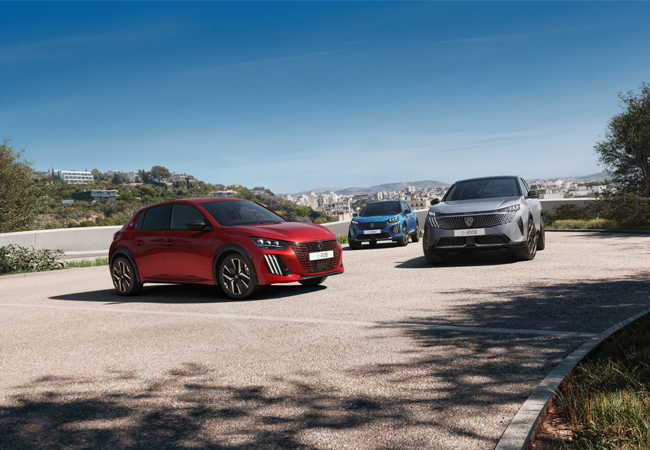
Peugeot’s ambition is reflected in the sheer breadth of its current and upcoming range. There is no “one size fits all” approach here; instead, the brand offers tailored solutions for every type of driver:
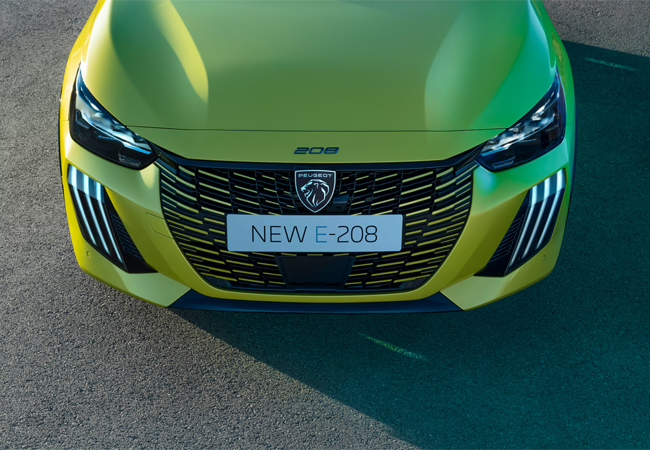
- E-208: The quintessential stylish city car that brings electric efficiency to the urban environment. It remains one of the UK’s most popular electric hatchbacks.
- E-2008: A compact SUV designed for versatility, perfect for modern professionals and small families.
- E-308 & E-308 SW: Bringing electrification to the classic hatchback and estate segments without sacrificing an ounce of boot space.
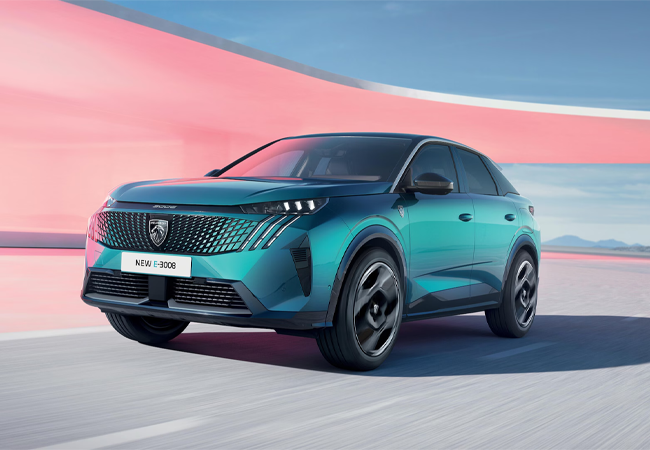
- E-3008: The flagship of the new era, a sophisticated SUV showcasing the latest Panoramic i-Cockpit.
- E-408: A sleek fastback that merges performance with a striking, aerodynamic silhouette.
- E-5008: A spacious, true seven-seater SUV for larger families who refuse to compromise on sustainability.
- E-Rifter & E-Traveller: Practical MPVs built for maximum utility, comfort, and business use.
By offering such a wide variety, the manufacturer ensures that the shift to electric driving is inclusive. Range figures are also a key part of this strategy, with the E-3008 Long Range capable of reaching up to 435 miles on a single charge. This figure is a “game changer,” bringing electric motoring into direct competition with traditional petrol and diesel vehicles for long-distance motorway travel.
Overcoming the Barriers to EV Adoption
A major part of the strategy from 2026 onwards involves addressing the “big three” concerns held by those yet to make the switch: range anxiety, charging infrastructure, and battery longevity.
Longevity & Trust: To provide ultimate peace of mind, Peugeot offers the Allure Care programme-an extensive 8-year or 100,000-mile battery warranty. This commitment to long-term reliability is a strategic move to maintain high residual values and build lasting trust with the consumer base.
- Range Anxiety: Achieving over 400 miles of range in a mass-market vehicle makes electric driving viable for almost any journey, from the daily school run to cross-continental holidays.
- Charging Infrastructure: Peugeot customers now have access to a vast network of over 800,000 public charging points across Europe via the Free2Move Charge ecosystem, making cross-country travel easier than ever.
Technology That Enhances the Experience
The Peugeot electric strategy isn’t just about the powertrain; it’s about the entire digital ecosystem. The famous i-Cockpit has evolved into a high-tech command centre. The latest iterations feature 21-inch curved panoramic displays and customisable “i-Toggles” that keep essential information, such as remaining range and energy flow, directly in the driver’s line of sight.
Furthermore, the integration of AI-driven voice assistants represents the next step in connected driving. This technology allows drivers to manage vehicle settings, find the nearest high-speed charger, or even check the weather at their destination through simple, natural conversation.
Sustainability and the Circular Economy
Finally, Peugeot is looking beyond the tailpipe. The brand aims to be carbon net zero by 2038. This involves a “Circular Economy” approach that prioritises the planet at every stage:
Repurposing batteries for “second life” energy storage before eventually recycling them.
- Using recycled materials in cabin construction (including fabrics made from recycled bottles).
- Reducing or eliminating rare earth metals in the magnets of electric motors.
The Future is Allure
The transition to a fully electric line-up by 2030 is an ambitious goal, but one that Peugeot is uniquely positioned to achieve. By focusing on a strategy that prioritises the driver’s emotional experience and the brand’s distinct design language, they are ensuring that the future of mobility is as exciting as its past.
The strategy from 2026 and beyond is clear: to lead the market through innovation, to remove the barriers to adoption, and to prove that the transition to electric driving involves no compromise. With a growing range of sophisticated vehicles and a clear vision for a sustainable future, the “Lion brand” is ready for the road ahead.
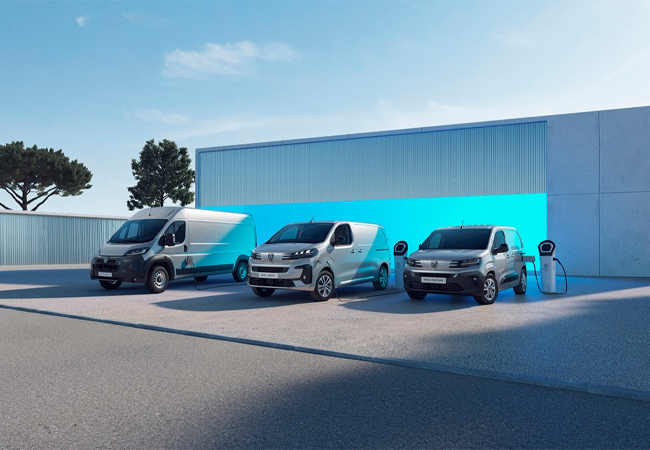
Browse the range and book a test drive today, or look into the latest electric and hybrid van options for your business.