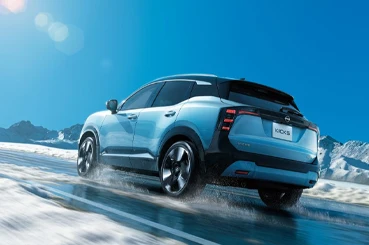

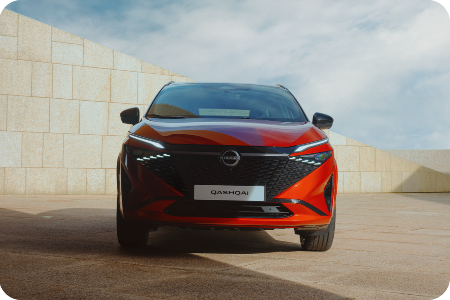
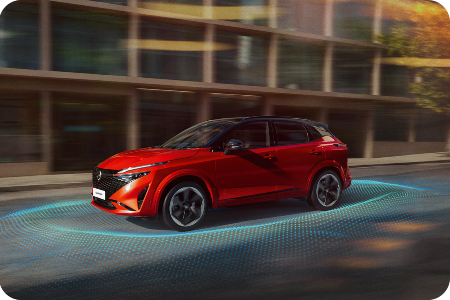
Nissan is bringing a significantly enhanced version of its e-POWER technology to the British-built Qashqai this September, and the improvements are substantial.
Nearly a decade after the debut of the Nissan Qashqai, this next-generation powertrain represents a comprehensive re-engineering that delivers meaningful gains across every key metric.
Building on a Proven Concept
For those already familiar with e-POWER, the core principle remains the same: the petrol engine generates electricity, which powers an electric motor that drives the wheels.
The engine never directly powers the wheels, meaning you get the instant response and smoothness of an electric vehicle combined with the convenience and range of traditional combustion power.
What’s changed is how effectively the system now delivers on that promise.
This isn’t a minor update. Nissan has analysed customer feedback and real-world performance data to fundamentally improve efficiency, refinement, and emissions.
The Numbers That Matter
The new e-POWER system achieves genuinely impressive figures that put it at the top of its segment:
- Fuel Economy: 62mpg (WLTP) with a combined range of up to 745 miles. That’s a 16% improvement in real-world conditions and 14% better on motorways compared to the current generation.
- Emissions: CO₂ output has dropped from 116g/km to 102g/km, representing a 12% reduction that brings it comfortably into lower tax bands.
- Refinement: Cabin noise under load has been reduced by up to 5.6 decibels, bringing the experience even closer to that of a pure EV.
- Performance: Total power output has increased to 151kW, with Sport Mode delivering an additional 10kW boost when you want a more engaging drive.
Comprehensive Engineering Improvements
The heart of the new system is a redesigned 5-in-1 modular powertrain unit that integrates the electric motor, generator, inverter, reducer, and increaser into a more compact and lighter package.
It’s a genuine space and weight saving that contributes to the overall efficiency gains.
Whilst the new 1.5-litre three-cylinder turbo engine shares its configuration with the outgoing version, it’s been completely redeveloped and is now dedicated specifically to the e-POWER application.
Nissan’s innovative combustion technology has pushed thermal efficiency to an exceptional 42% by stabilising in-cylinder combustion, allowing the engine to operate more quietly and effectively at lower speeds.
A larger turbo enables a 200rpm reduction in engine speeds during motorway driving, contributing to the notably quieter cabin.
Interestingly, the variable compression ratio technology from the previous generation has been made redundant by these other efficiency improvements, a sign of just how comprehensive the re-engineering has been.
Even the lubricating oil has been upgraded to 0W16 specification, reducing internal friction and contributing to extended service intervals of 12,000 miles, up from 9,000 miles. That’s better for your wallet and more convenient too.
The Transition Technology Sweet Spot
What makes e-POWER particularly relevant right now is how it addresses the real concerns many drivers still have about going fully electric. Range anxiety, charging infrastructure worries, and changes to daily routines can all feel like barriers to EV adoption.
e-POWER sidesteps these concerns entirely. You get the fully electric motor drive experience, instant torque, smooth acceleration, regenerative braking, and whisper-quiet operation, but you refuel at any petrol station in minutes.
There’s no plug, no charging cable, no waiting, and no range calculator anxiety.
It’s a genuinely smart stepping stone for drivers who want the benefits of electrified motoring without fundamentally changing how they use their vehicle. And with that 745-mile potential range, it actually goes further than many plug-in hybrids.
More Than Just a Powertrain Update
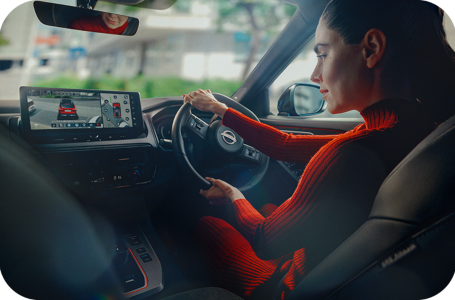
The Nissan Qashqai with New e-POWER gains Google-built-in infotainment, bringing Google Maps, Google Assistant, and access to the Play Store into the cabin.
Practical additions include voice commands, weather forecasts for your destination, and Nissan Trip Stories, which lets you record and share your favourite journeys through the NissanConnect Services app.
Driver assistance technology has also been enhanced, with improved ProPILOT features offering better multi-lane autonomous driving capabilities and increased awareness of the surrounding environment.
Availability and Value
Built at Nissan’s state-of-the-art Sunderland facility, the Nissan Qashqai with New e-POWER will arrive in European showrooms from September 2025.
The extended service intervals and impressive fuel economy should deliver a noticeably lower total cost of ownership compared to the current generation, making the business case for e-POWER even more compelling.
Why It Matters
This new e-POWER system represents a significant step forward for Nissan’s electrification strategy. It delivers best-in-segment fuel efficiency and emissions whilst maintaining the performance and refinement customers expect from a modern crossover.
For drivers not yet ready to commit to a fully electric vehicle, whether due to charging concerns, usage patterns, or simple preference, it offers a genuinely sophisticated alternative that doesn’t compromise on the electric driving experience.
The technology is proven, the improvements are substantial, and it’s built right here in Britain. Worth a closer look when it arrives this autumn.
Contact one of our Nissan dealers today for more information.