
The Nissan Qashqai has helped change the way Britain drives. Since its launch in 2006, it has transformed the family car market, helped establish the crossover as a mainstream choice and become one of the UK’s most successful cars.
What began as a bold alternative to the traditional family hatchback has evolved through three generations. It has embraced new technology, introduced electrified powertrains and influenced an entire generation of rival vehicles.
Now celebrating 20 years on the road, the Qashqai has a legacy that reaches far beyond its sales figures. Here’s a look back at the key moments that shaped its journey and changed British motoring.
From a bold idea to a new type of family car
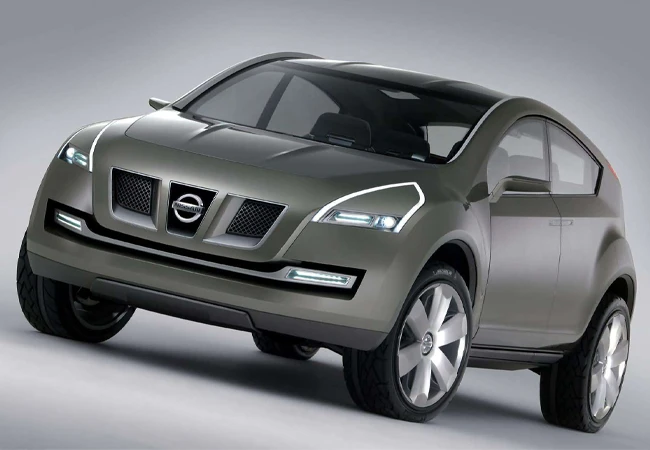
The story began in 2002, when Nissan started exploring a replacement for its Almera family hatchback. Rather than following the established formula, the company wanted something different.
The thinking was to offer the comfort and practicality of a conventional family car, with some of the qualities buyers liked about larger SUVs.
That idea became the Qashqai concept, unveiled at the Geneva Motor Show in March 2004. It attracted plenty of attention, although not everyone was convinced.
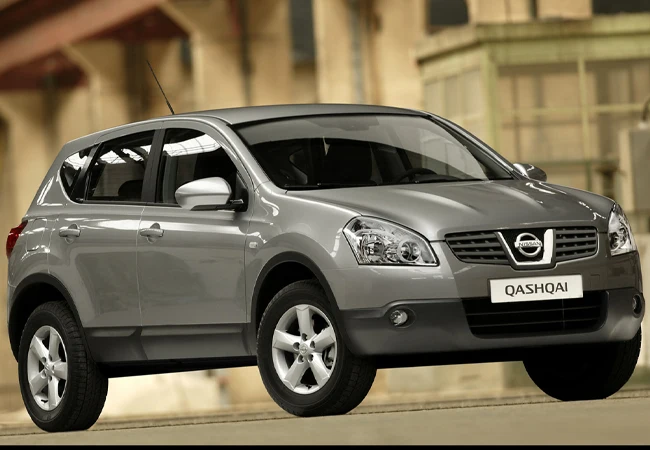
By 2006, the concept had become a production reality. Nissan revealed the new Qashqai at the Paris Motor Show, with production taking place at its Sunderland factory.
The model went on sale in February 2007. It quickly attracted buyers looking for something more versatile than a traditional hatchback.
2007: The Qashqai takes off
Nissan initially had modest expectations for its new crossover. However, customer demand quickly exceeded forecasts.
More than 100,000 examples were sold across Europe during the first year, including around 18,000 in the UK. The success was significant enough for Nissan to increase production in Sunderland.
The Qashqai had found an audience that wanted a higher driving position and practical interior, without moving into a much larger, more expensive SUV.
Its success also highlighted an opportunity for other manufacturers. The crossover was no longer a niche alternative. It was becoming a serious contender in the family car market.
Growing the range and raising expectations
Nissan continued developing the Qashqai as its popularity grew.
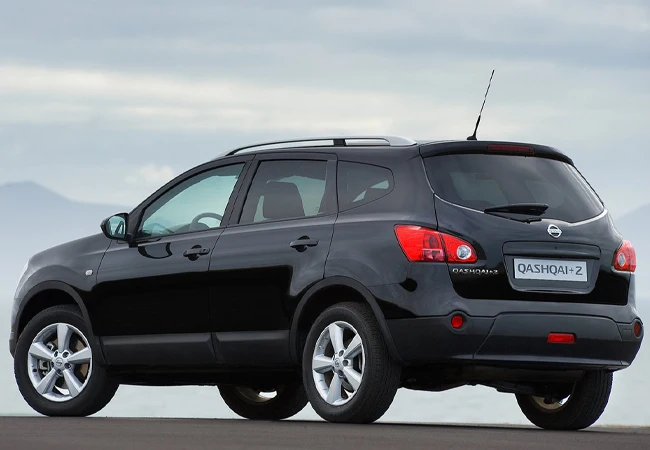
In 2008, the Qashqai+2 arrived, bringing seven-seat practicality to the range. This opened the door to larger families who needed additional space.
A facelift followed in 2010, introducing refreshed styling and new technology. Among the highlights was Nissan’s Around View Monitor, which gave drivers a 360-degree view around the car when parking.
By 2011, Sunderland had produced its one millionth Qashqai. The model was also being exported to markets around the world.
It was clear that the original concept had become much more than a successful replacement for a family hatchback.
2014: A new generation builds on the success
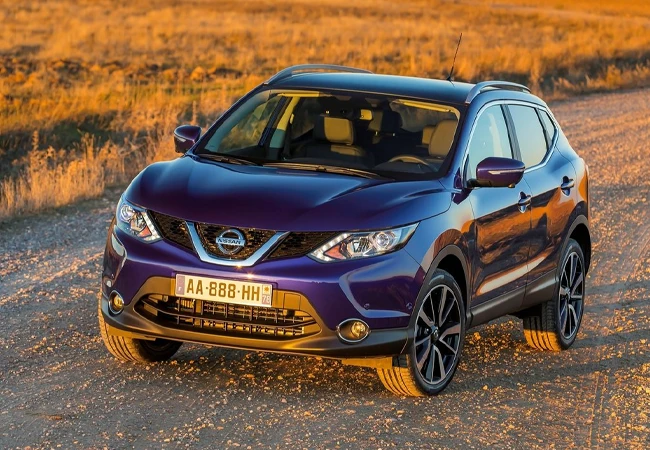
The arrival of the second-generation Qashqai in 2014 marked another important chapter.
Rather than reinventing the formula, Nissan refined it. The new model featured sharper styling, an improved interior, greater efficiency and additional safety technology.
It reflected how buyer expectations had changed. People still wanted the practicality and elevated driving position that made the original so popular. However, they also expected more comfort, technology and refinement.
A further facelift arrived in 2017, bringing design improvements and new driver assistance features.
Nissan also introduced ProPILOT technology, helping the Qashqai keep pace with advances in driver assistance systems.
By this stage, the crossover market had become increasingly competitive. Almost every major manufacturer wanted a share of the segment Nissan had helped establish.
2021: A new generation embraces electrification
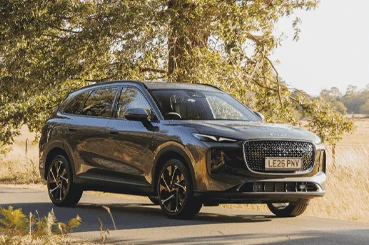
The third-generation Qashqai arrived in 2021, representing another major step forward.
Built on a new platform, it introduced a more contemporary design, upgraded technology and an improved cabin. It also reflected the industry’s growing focus on electrification and lower emissions.
In 2022, Nissan introduced its e-POWER technology to the Qashqai range.
Unlike a conventional hybrid, e-POWER uses an electric motor to drive the wheels. A petrol engine generates electricity, meaning drivers enjoy an electric-driven experience without plugging the car in.
The same year brought another significant achievement. The Qashqai became the UK’s best-selling new car, recording 42,704 registrations.
It was a fitting moment for a vehicle that had helped change British buying habits.
2024–2025: Keeping the Qashqai relevant
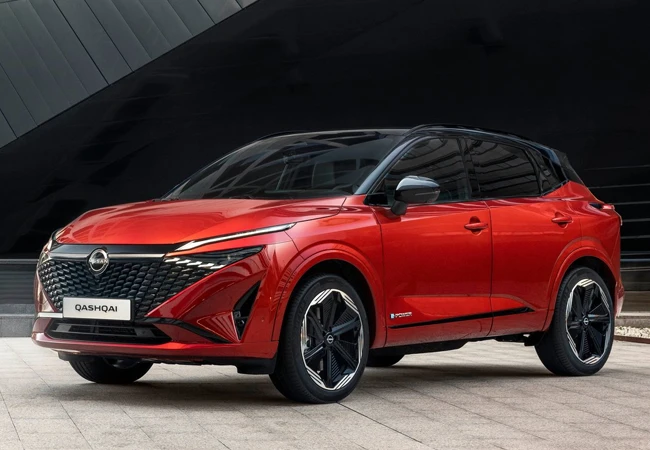
The Qashqai’s evolution continued with a substantial facelift in 2024.
The changes included a redesigned front end, updated interior materials and improved infotainment. Google built-in also brought familiar connected services into the driving experience.
The introduction of the N-Design specification gave buyers another option, with a more distinctive appearance.
In 2025, Nissan further developed its e-POWER technology. The latest system focused on improved efficiency, quieter operation and lower CO₂ emissions.
These updates demonstrate how the Qashqai has continued to adapt. Its original appeal remains, but the technology and engineering behind it have moved on considerably.
20 years later: A lasting impact on British motoring
Reaching its 20th anniversary in 2026 is a significant milestone for the Qashqai.
Across the Qashqai family and related regional models, Nissan reports more than 7.3 million sales worldwide. More than 4.1 million have been sold in Europe, while Sunderland has built over 4.5 million examples.
Those figures underline the importance of the model to Nissan, its customers and the UK’s automotive industry.
However, its legacy goes beyond sales figures.
The Qashqai helped make crossovers a mainstream choice for British families. It encouraged other manufacturers to rethink their own family car ranges and helped establish the elevated driving position as a major selling point.
It also demonstrated the importance of Sunderland as a centre for vehicle production, supporting jobs and contributing to Britain’s automotive manufacturing sector.
The car that helped change the rules
When Nissan first introduced the Qashqai, it was taking a chance on an idea that challenged established thinking. Twenty years later, that decision looks like one of the company’s most successful.
The Qashqai has evolved through three generations, embraced new technology and adapted to changing customer expectations. Yet it has stayed true to the qualities that made the original so appealing.
Its greatest achievement may not be the number of cars sold or the awards won. It is the way it changed what people expect from a family car.
Two decades on, the Qashqai remains a familiar sight on British roads. More importantly, the market it helped create is now a central part of everyday motoring.