
Everyone tells you to “find a good driving instructor,” but that advice isn’t very helpful. If you’re new to learning to drive, it’s not always obvious what to look for or where to start.
This guide breaks down the simple, practical steps to help you find a driving instructor who’s fully qualified, legal, and right for you.

Where Should You Start Your Search?
Finding the right instructor is a mix of online research and old-school recommendations. Start by checking reviews on Google and Facebook to see what other learners in your area are saying.
Word of mouth is also helpful, but keep in mind that finding the right instructor is personal. What worked for your family and friends might not work for you if your learning styles are different.
Why this matters: A good instructor doesn’t just teach you to pass a test. They build your confidence behind the wheel and make sure you feel safe on real roads after you’ve passed.
Driving School or Independent Instructor?
Most learners choose between a driving school or a local independent instructor. Neither option is automatically better, but they do feel different.
Driving schools usually have structured booking systems and backup instructors. Independent instructors offer a more personal experience, with direct contact and lessons shaped around you.
Driving instructors who are training (PDIs) can’t work independently, so you’re more likely to find them at larger schools. That’s not a bad thing, but it’s useful to know before booking.
Why this matters: If your instructor goes on holiday or gets sick, knowing whether there’s a backup plan can save you from gaps in your learning, especially if you’ve got a test booked.
Manual or Automatic Lessons?
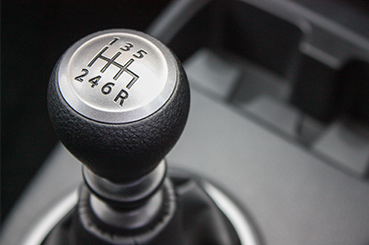
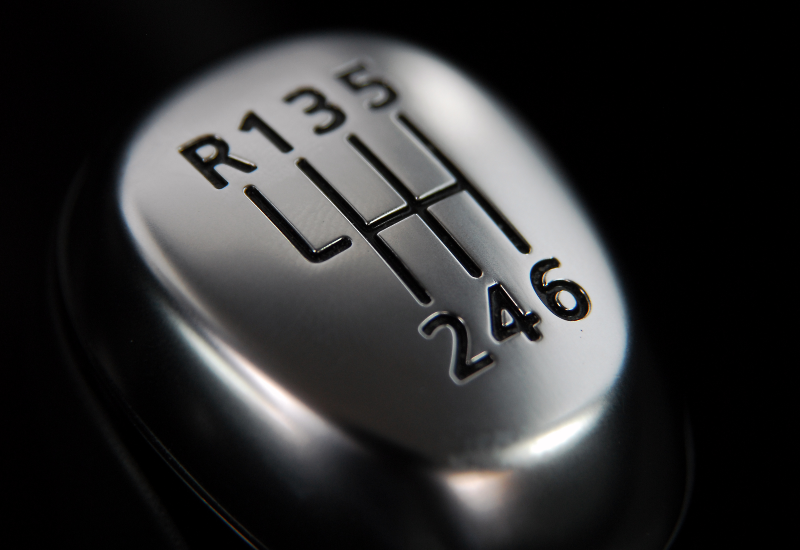
Decide whether you want to learn to drive a manual or an automatic car. Manuals are usually cheaper and give you a full licence, while automatics are simpler but limit you to automatic cars only.
It’s worth checking that the lesson car has dual controls. These allow the instructor to help if needed and are standard for beginner lessons. It’s completely normal to ask before booking.
Why this matters: The car you learn in affects your confidence, progress, and what you can drive after you pass. Knowing this upfront avoids surprises and helps you start lessons the right way.
What’s the Difference Between ADI and PDI?
When you get into a lesson car, there should be a coloured badge displayed in the bottom corner of the windscreen. This badge is the quickest way to tell who is teaching you.

What Is an ADI Driving Instructor?
An ADI is an Approved Driving Instructor. This means they are fully qualified and have passed all three DVSA qualification tests. ADIs are allowed to teach learners independently and can take students on motorways once they feel ready.
You’ll know an ADI by the green badge displayed in the windscreen during lessons.

What Is a PDI Driving Instructor?
A PDI is a Potential Driving Instructor. They are still in training but are legally allowed to charge for lessons once they have passed two out of three DVSA tests and completed the training hours.
PDIs display a pink badge in the windscreen. Many are excellent teachers, but it’s important to know that a pink badge only lasts for six months. If the instructor doesn’t pass their final test within that time, they must stop teaching, which could interrupt your lessons.
Why this matters: Understanding the badge system means you know exactly who’s qualified to teach you and can make an informed choice that feels right.
How Do You Check if a Driving Instructor Is Registered?
You can use the GOV.UK search tool to check your instructor is on the DVSA register and see their qualification status. You can also ask for their ADI reference number, which is shown on their badge.
Both ADIs and PDIs must pass criminal background checks before teaching. If someone charges for lessons but can’t show a green or pink badge, they’re teaching illegally and should be avoided.
Why this matters: You’re trusting this person with your safety and your money. A quick check protects you from unlicensed instructors and confirms they’ve been properly vetted.

Should You Just Pick the Cheapest Option?
As a rough guide, driving lessons in the UK cost £25–£35 per hour, depending on the location. Automatic lessons are usually more expensive due to high demand and vehicle costs. Many instructors offer block-booking discounts, and PDIs often charge £5–£10 less than fully qualified instructors.
It’s tempting to look for the cheapest lessons, especially if you’re paying for them yourself. But a low price can end up costing more if the instructor is unreliable or your progress is slow.
Why this matters: An instructor who charges a bit more but gets you test-ready in 30 hours will cost you less overall than a cheap instructor who takes 50 hours because the teaching isn’t effective.
Can You Check a Driving Instructor’s Pass Rate?
A common question is whether you can check a driving instructor’s pass rate. The short answer is that the DVSA does not publish pass rates in a way learners can easily browse or compare instructors.
The national average pass rate sits at around 46 percent. If an instructor advertises extremely high numbers without explaining how they’re measured, it’s worth being cautious. Pass rates don’t show how many attempts students needed or how confident they felt behind the wheel.
Why this matters: A high pass rate means nothing if students are being pushed into tests before they’re ready just to boost the numbers. You want an instructor who cares about making you a safe, confident driver, not just ticking a box.
You’ve Got This
Choosing an instructor is your first big step towards driving freedom. Now you know how to spot a trainee, check a licence, and avoid common pass-rate traps.
Don’t feel pressured to stick with your first instructor if it doesn’t feel right. Check the register, look for the badge, and get ready to get behind the wheel!