
It’s not just about zero tailpipe emissions anymore; it’s also about the wider impact a brand can have.
Around the world, many manufacturers are now looking beyond the road and taking action to help protect marine environments.
At Stoneacre Motor Group, the car brands we represent are investing in ocean restoration, conservation, and clean-up efforts. Here’s how they’re helping to turn the tide…
Hyundai – Forests Without Names
Hyundai is supporting the mapping and restoration of underwater ecosystems that absorb carbon and sustain marine life through the Forests Without Names initiative.
Many of these habitats were previously unrecognised, despite their environmental importance. By mapping them, Hyundai can now better protect and restore them.
In Korea alone, restored sea forests are expected to absorb around 1,300 tonnes of CO₂ each year. This shows the important role they play in tackling climate change.
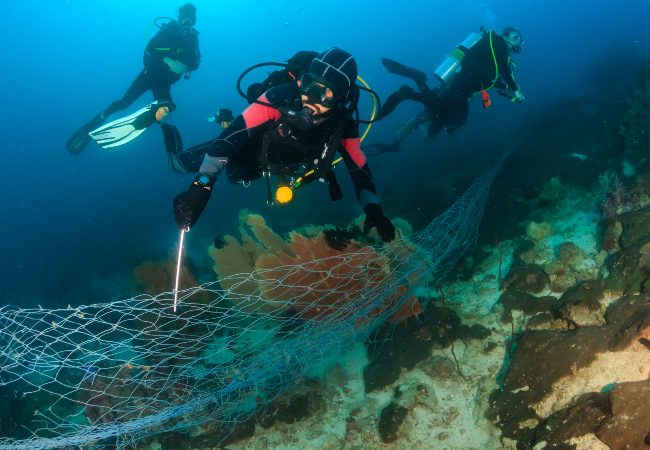
Hyundai also helps to remove marine waste through Operation Ghost Farms and its partnership with Healthy Seas, recycling ghost nets into materials for cars.
Suzuki – Clean Ocean Project
Suzuki has developed technology to capture microplastics from the water through its Clean Ocean Project, targeting pollution that is often invisible but widespread.
Beyond cars, the brand has developed a Micro-Plastic Collecting Device for marine engines that filters particles using engine cooling water without affecting performance.
Testing of the device has consistently found microplastics in every sample collected during trials, showing just how widespread this pollution can be in our oceans.
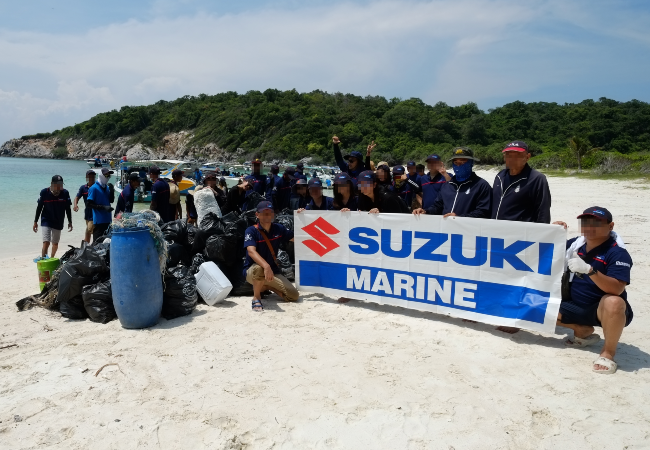
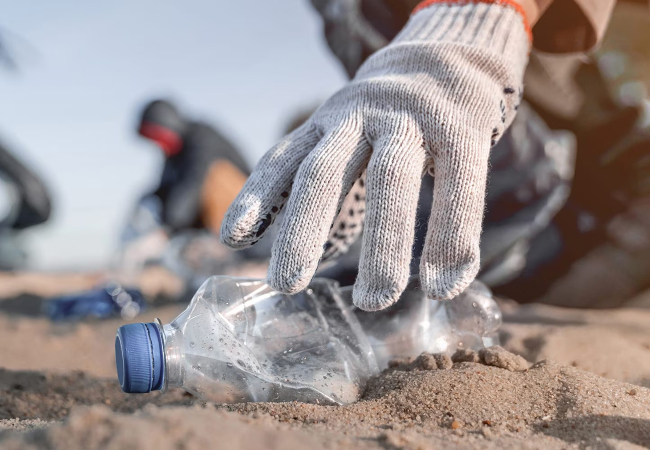
Suzuki also supports hands-on clean-up efforts through its Clean Up the World Campaign, removing tonnes of waste from UK shorelines that are difficult to reach.
Volvo – For Life Fund
Through the For Life Fund, Volvo is supporting a range of marine restoration projects globally, building on its long-standing partnership with The Ocean Race.
These initiatives reflect its broader commitment to environmental action, focusing on improving biodiversity as well as reducing carbon in key coastal ecosystems.
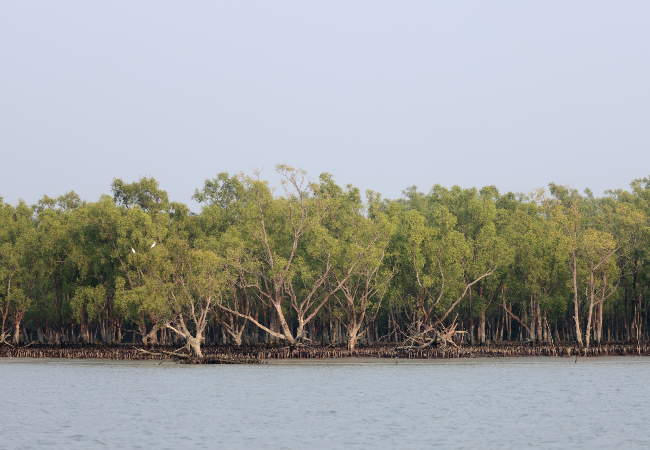
Projects include mangrove restoration in the Indian Sundarbans, helping to protect coastlines while also supporting the local communities that rely on them.
Volvo is also restoring eelgrass meadows in Sweden, helping to improve water quality and support the long-term recovery of marine ecosystems and biodiversity.
Polestar – Sea Forest Partnership
Polestar is also supporting innovation beyond automotive production, working with partners in other industries to help scale new environmental solutions.
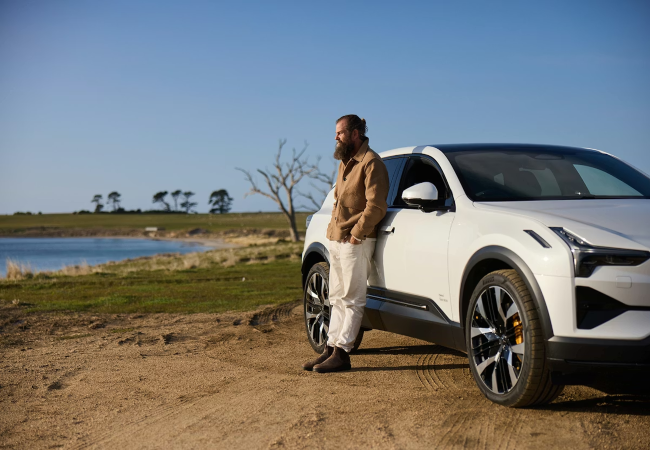
One example is its collaboration with Sea Forest in Tasmania, supporting seaweed farming initiatives that can help reduce methane emissions in agriculture.
Polestar is also reducing emissions across its supply chain through its sustainability strategy, with a strong focus on long-term impact, including changes to global shipping.
The company uses renewable fuels such as FAME for inbound logistics and biofuel blends for outbound deliveries. This significantly lowers transport-related emissions.
OMODA & JAECOO – Seagrass Restoration
OMODA and JAECOO are supporting marine conservation through long-term environmental initiatives. Their focus is on protecting fragile ocean habitats.
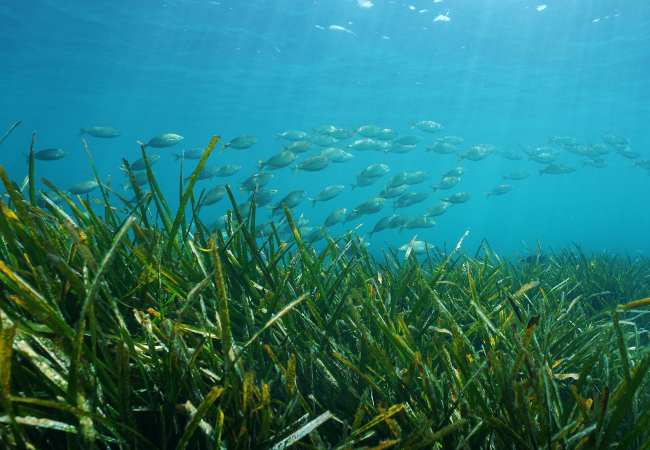
One key project involves restoring seagrass meadows in the Mediterranean with IUCN Med. These ecosystems are essential for storing carbon and supporting marine life.
Seagrass also helps local fishing industries, as healthier ecosystems can lead to more thriving marine life, benefiting both nature and coastal communities.
They are also working to reduce damage from human activity, helping to protect these underwater environments and keep them healthy for the long term.
Turning Ocean Waste into Interiors
Several car brands, including CUPRA and FIAT, are turning ocean waste into premium interior materials, helping to tackle marine pollution while rethinking car production.
Through initiatives like SEAQUAL, marine litter is collected and transformed into high-quality yarn. This material is then used in seats, trims, and other cabin surfaces.
In models like the CUPRA Born, recycled fibres are used in sporty interior finishes. The Fiat 500e also features upholstery partly made from recycled and marine plastics.
This demonstrates the circular economy. Waste is recovered, repurposed, and reused, reducing reliance on new raw materials while maintaining comfort and design quality.
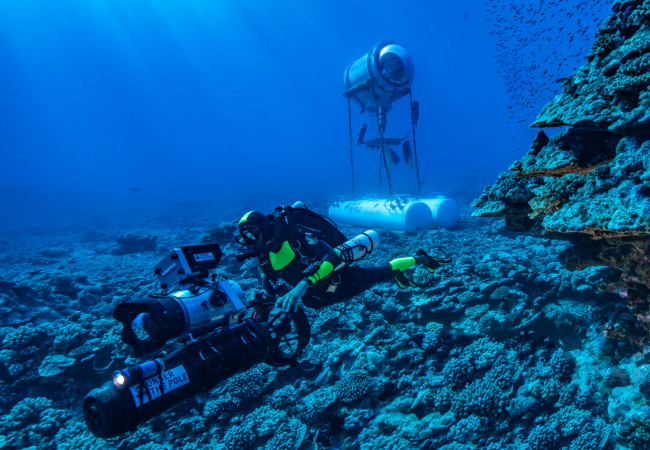
Innovation Above & Below the Surface
Some car brands are supporting ocean conservation through advanced technology. Peugeot and Geely are taking very different, but equally important, approaches.
Peugeot works with the Under The Pole programme to support underwater exploration and research. This helps scientists study marine ecosystems in greater detail.
The partnership also includes developing new research tools and supporting future expeditions. Peugeot contributes to electric vehicles for low-emission logistics on land.
Geely is focusing on satellite technology through its Blue Guardian Project. This allows teams to track marine debris from space, improving clean-up coordination.
Your Choice Matters
Sustainable driving now goes beyond emissions alone, building on the benefits of hybrid and electric cars.
Choosing the right vehicle can support ocean conservation efforts. From lower-emission options to recycled materials, your choice can make a real impact.
At Stoneacre Motor Group, we are proud to represent these forward-thinking brands. Together, they are helping to reshape what driving can mean for the planet.
It’s time to look at cars differently. A cleaner, greener switch isn’t just possible, it’s already happening, and your next car could be part of it.