
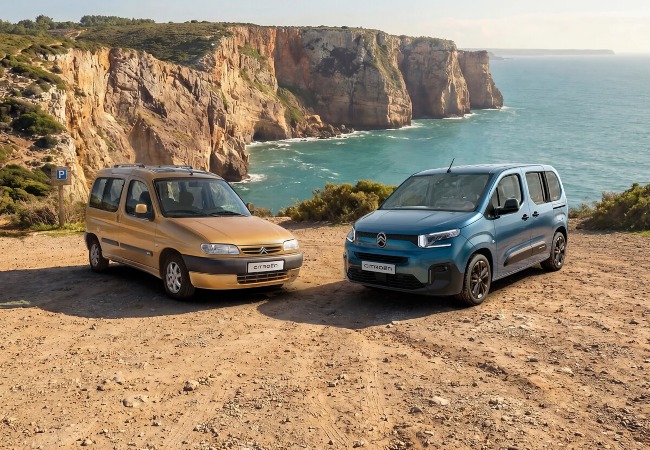
The Citroen Berlingo is not famous because it was glamorous. It is famous because it was useful.
In a world where car marketing often tries to sell an unachievable lifestyle of high-speed mountain passes and pristine showroom gleam, the Berlingo took a beautifully honest path. It was designed around the glorious, messy reality of everyday life.
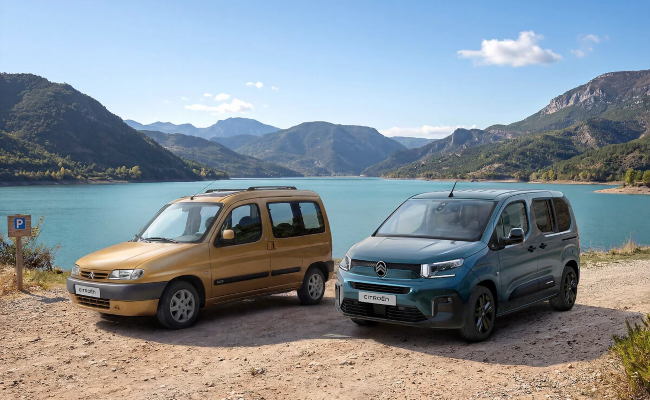
First launched in 1996, this boxy legend is celebrating its 30th anniversary. To mark three decades of faithful service to families, dog owners, tradespeople, and adventurers across the UK, Citroen is celebrating the only way it knows how – with a special-edition model featuring added kit and special badging.
The newly introduced Berlingo ‘Collection’ replaces the basic Plus trim and is available to order now, joining the highly specified Max variant to anchor a refreshed 2026 lineup.
While other vehicles have come and gone, the Berlingo has remained a constant fixture on British driveways. It made unashamed practicality feel normal, useful, and deeply likeable.
Born in 1996: The Start of the Leisure Activity Vehicle
Before 1996, if you needed massive boot space and unparalleled headroom, you generally had two choices. You could buy a traditional estate car, or you could buy a commercial delivery van and tolerate its noisy, bare-metal cabin. Citroen saw a gap in the market for something entirely different.
The genius of the original Berlingo lay in its architecture. Unlike previous small vans that simply had a box welded onto the back of a hatchback chassis, the Berlingo was conceived from day one with an integrated load volume. It was robust, wide, and incredibly spacious.
But Citroen did not stop at the commercial sector. They realised that the exact same qualities making the van a hit with plumbers and couriers were precisely what young, active families were crying out for. By adding comfortable seats, carpet, and windows, Citroen created a completely new automotive segment: the Leisure Activity Vehicle (LAV).
Why the Berlingo Was Different from Ordinary Vans and MPVs
During the late 1990s, Multi-Purpose Vehicles (MPVs) were growing in popularity, but they were often expensive and felt precious. The Berlingo offered an antidote to showroom pretension. It provided families with huge space, a high driving position, and a budget-friendly price tag.
Crucially, it introduced the world to the ultimate game-changer in family transport: twin sliding rear doors. Anyone who has ever tried to wrestle a toddler out of a child seat in a tight supermarket parking space knows that sliding doors are vastly superior to conventional ones.
The interior was built to survive real life. It featured wipe-clean plastics, massive door pockets, and a driving position that offered a commanding view of the road ahead. It was a vehicle that invited you to use it, throw things into it, and not worry about a bit of mud on the sills.
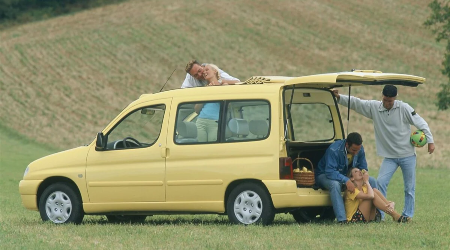
The Multispace Years: When Practicality Became Family-Friendly
The introduction of the Multispace moniker marked the moment a van platform became something families actively chose, rather than just something businesses bought.
It shifted the perspective of the Berlingo from a tool of the trade to a vehicle for weekend escapes.
One of the defining innovations of the Multispace years was the Modutop. This clever roof storage system turned the dead space above the passengers’ heads into a network of overhead cubbies, lockers, and individual reading lights.
It mimicked the overhead storage of an aeroplane and ensured that the cabin remained entirely free of clutter.
Suddenly, family road trips did not involve sitting with bags crammed around your feet. Everything had a designated home.
The Berlingo Through the Decades
As British family life evolved, the Berlingo evolved alongside it, adapting to changing buyer needs across four distinct eras.
- The 1990s: Focused on affordable space, simple petrol and diesel engines, and pure van-based utility. It was all about maximum volume for minimal expenditure.
- The 2000s: The era where MPVs went mainstream. The Berlingo gained better sound insulation, the iconic Modutop roof storage, and more refined cabin materials.
- The 2010s: Safety and comfort took centre stage. Interiors became much more car-like, introducing touchscreen tech, modular three-seat rows, and advanced driver assistance systems.
- The 2020s: The current generation ushers in digital screens, connected navigation, and a diverse range of powertrains, including the fully electric ë-Berlingo.
From Diesel Workhorse to Electric Family Mover
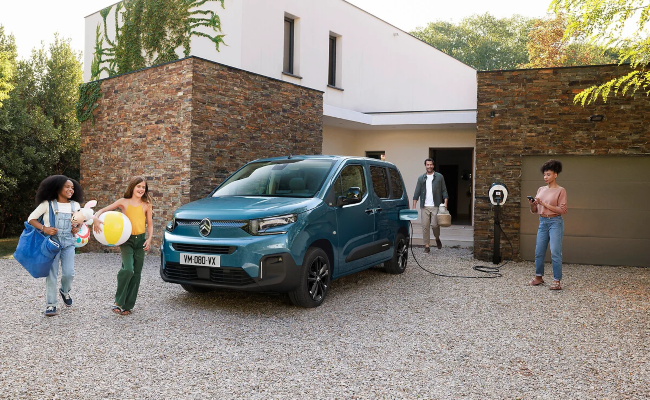
The modern Citroen Berlingo lineup ensures that no matter your lifestyle or driving habits, there is a powertrain to match.
For high-mileage drivers and long-distance family holidays, the efficient 1.5-litre BlueHDi diesel engines remain a staple of the range, available in 100 hp or a more powerful 130 hp variant.
The 130 hp model can be paired with a smooth eight-speed automatic gearbox, making long motorway cruises effortless. If you prefer petrol, a punchy 1.2-litre PureTech 110 hp manual option delivers great urban flexibility.
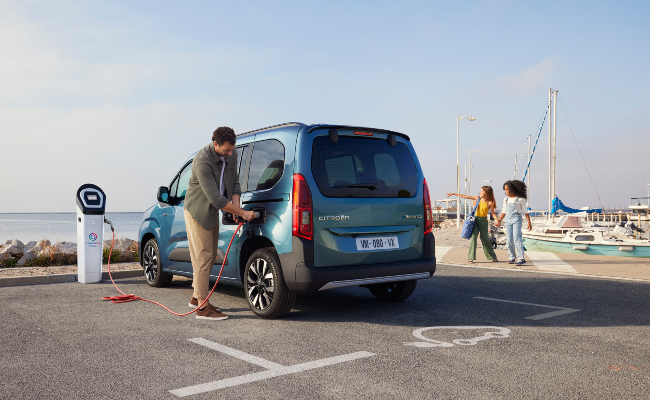
For those ready to embrace zero-emission driving, the 100% electric ë-Berlingo has taken a major step forward. It features an advanced 50 kWh Lithium Iron Phosphate battery pack, supplying a highly usable WLTP combined range of up to 213 miles.
The battery tech is highly resilient against daily rapid charging, and when hooked up to a 100 kW public rapid charger, it can replenish from 0% to 80% capacity in just 30 minutes. It offers a silent, smooth driving experience that is perfect for the school run or city commuting.
Then vs Now: Original Berlingo Compared with the New Berlingo
The automotive world has transformed since 1996, and a side-by-side comparison shows just how far Citroen’s practical champion has travelled while staying true to its core identity.
| Feature | 1996 Citroen Berlingo | 2026 Citroen Berlingo / ë-Berlingo |
| Core Philosophy | Simple, van-derived utility | Modern, family-focused crossover |
| Powertrains | Basic petrol and diesel units | Petrol, diesel, and 100% electric options |
| Interior Tech | Analogue dials, AM/FM cassette radio | 10-inch HD touchscreen, digital driver display |
| Comfort Features | Standard foam seats, basic ventilation | Advanced Comfort seats, dual-zone climate control |
| Safety Equipment | Basic crumple zones, optional driver airbag | Safety Pack Plus with Active Lane Keeping Assist |
| Versatility | Removable rear bench seat | Three individual folding rear seats, opening tailgate window |
Why the Berlingo Still Makes Sense in an SUV World
Look around any school gate or retail park today and you will be surrounded by a sea of mid-sized SUVs. They look rugged and sporty, but do they actually solve real family problems?
Many modern SUVs have thick, sloping rooflines that cut into headroom, high load floors that make lifting heavy items difficult, and rear doors that open wide into adjacent cars. They look big on the outside, but the actual usable space inside can be surprisingly compromised.
This is why the Berlingo remains the ultimate anti-SUV hero. It does not pretend to be a sports car. Instead, it offers a square footprint that maximises every single millimetre of its exterior dimensions.
You get up to 3,300 litres of cargo capacity in the standard Medium (M) length, which stretches to a massive 3,900 litres if you opt for the longer XL wheelbase version. The XL even offers the flexibility of an optional seven-seat layout. With three individual, full-sized adult seats across the second row, everyone gets equal comfort, meaning no one has to suffer on a cramped middle hump during long journeys.
New Citroen Berlingo at Stoneacre
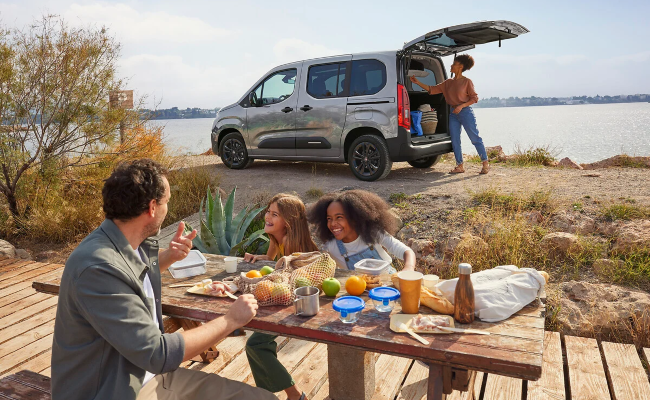
The latest evolution of this iconic vehicle is available to experience at Stoneacre. To celebrate the milestone birthday, the line-up receives a special shake-up.
The 30th-anniversary Collection edition replaces the basic Plus trim and is available to order now.
It acts as the perfect gateway into the Berlingo lifestyle, taking all the core practical elements and packing in extra kit alongside exclusive commemorative badging.
Drivers stepping into the Collection model will enjoy a high-resolution 10-inch HD touchscreen display, rear parking sensors, twin sliding side doors, and wireless connectivity for Apple CarPlay and Android Auto.
Stepping up to the top-tier Max trim elevates the package significantly for those wanting maximum luxury. It brings an imposing on-road presence with 17-inch Topaz alloy wheels, gloss black roof bars, and distinct Andre Red styling accents on the exterior protection strips.
Inside, the Max trim adds dual-zone automatic climate control, a fully digital 10-inch driver’s instrument cluster, a heated leather steering wheel, and premium Advanced Comfort seats with extra lateral support.
It also gains high-end practical touches like an opening rear window in the tailgate, allowing you to quickly drop shopping bags into the boot without opening the main door.
Whether you are looking for a highly efficient diesel for long-distance family treks or a cutting-edge, zero-emission ë-Berlingo Max for the daily commute, the Berlingo proves that 30 years on, true practicality never goes out of style.
FAQs
Is the Citroen Berlingo good for families?
Yes, it is arguably one of the best family vehicles on the market. It offers vast headroom, a completely flat rear floor, three individual full-size seats in the back, and twin sliding doors that prevent accidental door-dings in car parks.
What is the boot space in a Citroen Berlingo?
The Medium (M) version offers a generous 775 litres of boot space with the seats up, which expands dramatically up to 3,300 litres when the rear seats are folded flat. The longer XL version expands the maximum available load volume to 3,900 litres.
What is the real-world electric range of the ë-Berlingo?
The latest ë-Berlingo features an official WLTP combined range of up to 213 miles. In everyday driving conditions, this gives owners plenty of range flexibility for local school runs, weekly shopping trips, and typical inter-city commutes.
Can you get a 7-seat Citroen Berlingo?
Yes, the longer XL body style can be specified with two additional, removable seats in a third row, allowing it to accommodate up to seven people comfortably.
What is the difference between the new Collection trim and the Max trim?
The newly introduced 30th-anniversary Collection trim replaces the entry-level Plus trim, offering special-edition badging and upgraded standard kit like the 10-inch touchscreen. The flagship Max trim goes even further, adding larger 17-inch alloy wheels, dual-zone climate control, extra-supportive Advanced Comfort seats, and a handy opening rear window in the tailgate.
What would you use a Berlingo for? Whether you are planning a camper conversion, packing it for weekend bike rides, or using it to run a busy family, let us know your ultimate practical uses in the comments below!